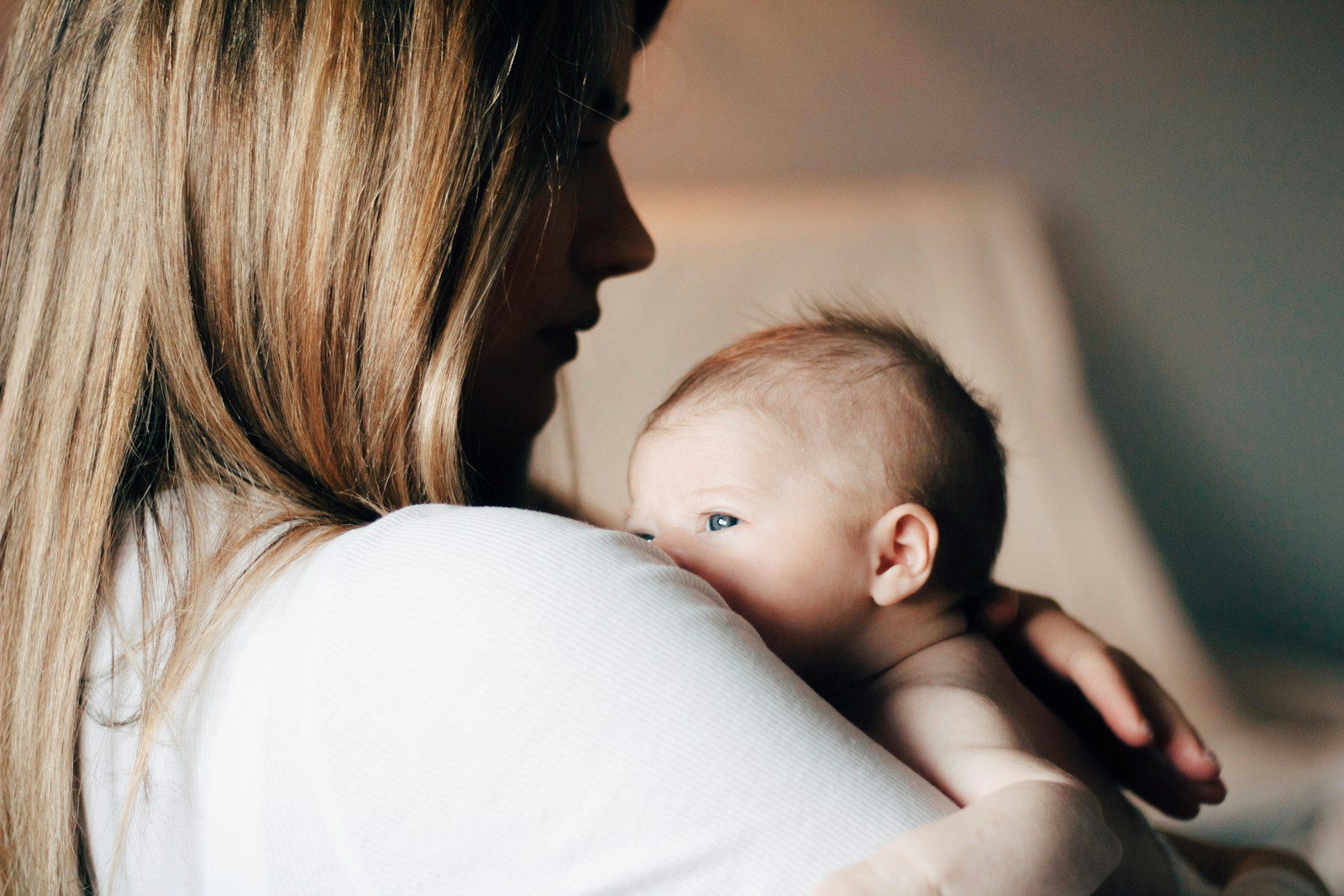
A new mother expected the usual postpartum changes: a softer belly, some hair shedding, maybe a new constellation of stretch marks. What she did not expect was to look in the mirror and think she was growing a third breast, complete with what looked like a nipple, tucked into her armpit. For her, the shock was not just the strange lump but the realization that no one had ever mentioned this could happen.
Her story taps into a wider frustration among parents who feel wildly under-briefed on what their bodies might do after birth. Friends talk about labor, baby gear, and sleep schedules, but the blunt, sometimes bizarre physical fallout often gets edited out of the conversation until someone is googling symptoms at 3 a.m. and wondering if they are the only one.
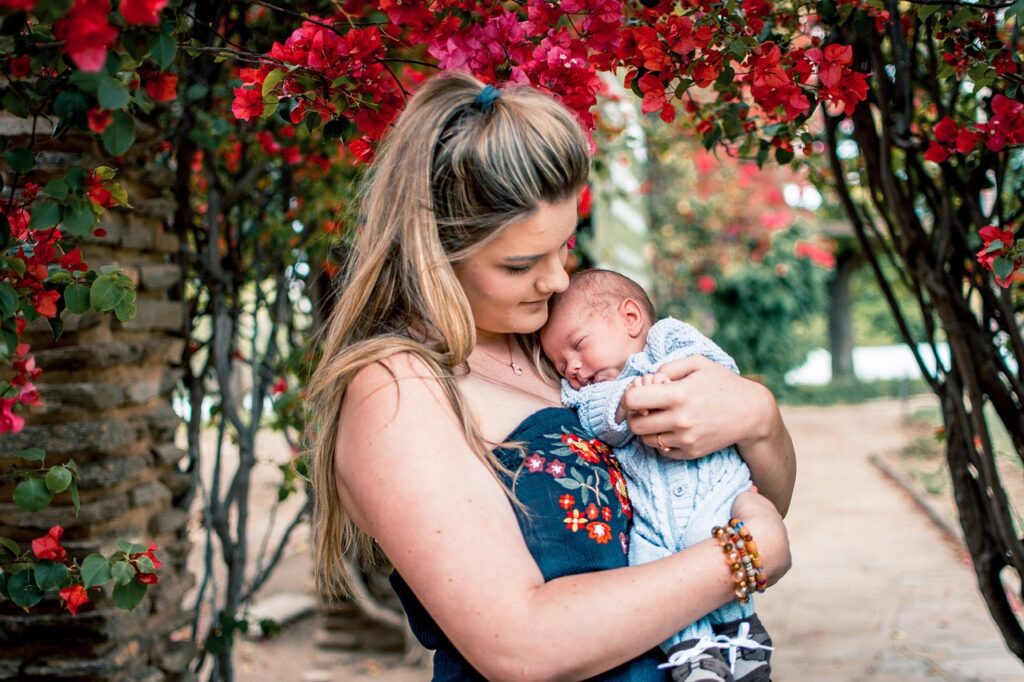
The “third boob” that blindsides new mothers
When Jasmine Mamiya noticed a tender swelling near her armpit after giving birth to her second child, she eventually realized it was not a pulled muscle or a rogue lymph node. It was breast tissue, complete with what she described as a small nipple, that had appeared along the so-called milk line. Her account of sprouting what she called a third boob after pregnancy, shared on social media and later described in detail through Jasmine Mamiya, captured exactly how surreal postpartum changes can feel when no one has prepped a parent for them.
Another new parent, described as a New mum horrified after finding a third nipple in her armpit after giving birth to her second child, found herself in the same boat. She discovered a small nipple-like bump in her underarm area and initially feared something sinister before learning that accessory breast tissue along the chest-to-groin line is more common than most people realize. Her experience, reported as a New mum horrified after finding third nipple in armpit after birth and linked through Lucy Wilson, shows how quickly panic can give way to relief once someone finally explains that the body sometimes follows an old embryonic blueprint when breast tissue expands for feeding.
The long list of body changes nobody mentions
While extra breast tissue makes for a headline-grabbing surprise, it sits on a long list of shifts that blindside new parents. Medical guidance on postpartum recovery notes that bleeding, known as lochia, can last for weeks, that pelvic floor muscles can feel unstable, and that hormone swings can affect everything from mood to temperature regulation. One overview of normal postpartum experiences explains that vaginal bleeding, breast engorgement, bowel changes, and even temporary urinary incontinence are all common, according to What are normal, yet many parents report that no one spelled this out before they left the hospital.
Other guides flag six or more physical shifts that can catch people off guard after pregnancy, from joint pain to changes in sexual desire and persistent abdominal separation. One breakdown of these issues, framed as 6 Post Pregnancy Body Changes You Did not Expect and written by Hea, walks through how abdominal muscles can separate, how hair can thin dramatically, and how libido can nosedive while the body is still recalibrating, as outlined in Post Pregnancy Body. Yet parents like the one who discovered a third boob often say that these realities were covered vaguely, if at all, compared with the detailed birth plans they were encouraged to write.
“Nobody warned me about this” and why that keeps happening
When parents look back on those early weeks, a common refrain surfaces: nobody warned me about this. A collection of postpartum stories gathered under that exact phrase highlights mothers who were startled by everything from intense night sweats to reopened surgical wounds, including one person who described the shock when her c section incision opened, all captured in Nobody warned me. Those accounts echo the third-boob mom’s reaction: not just fear about the symptom itself, but anger that such a basic part of recovery had never been part of the prenatal script.
Some of that silence comes from cultural pressure to keep the focus on the baby and to present motherhood as a tidy, joy-filled upgrade rather than a messy physical reboot. Commentators have described a kind of informal club where mothers quietly trade war stories behind closed doors, pointing out that the often shocking arrival of a baby is easier to handle when women realize other mums are dealing with the same strange side effects, as discussed in mothers club no. Social media has started to crack that secrecy, with posts inviting parents to share the one body change after birth no one warned them about and reminding them that stretch marks, wider hips, and a softer belly are not failures but proof of what the body has done, as one viral caption about the female human body and the crazy wonderful things it is capable of put it in So, here.
More from Decluttering Mom: