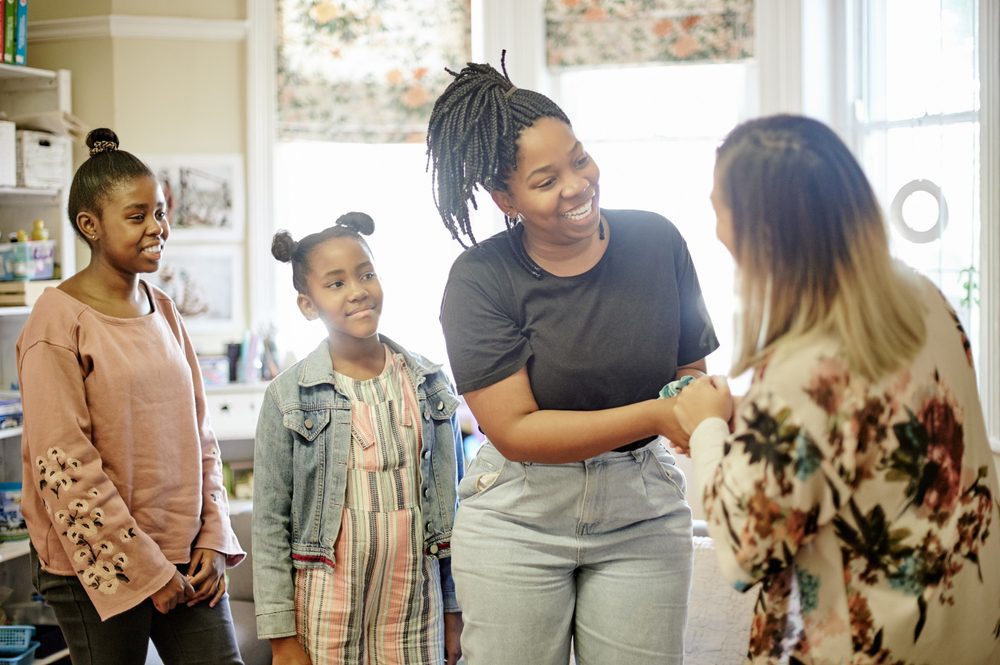
A mom confronted a teacher about her child’s inability to zip up a jacket, and it quickly turned into an unexpected blame game. The teacher mentioned having a “zipper club” where students who can zip their jackets help those who can’t. It seemed harmless enough, until the parent pointed a finger at the classroom para, claiming it was her fault that the child hadn’t learned this basic skill yet.
The teacher was caught off guard. She didn’t even know the child had a para assigned to her since the student was in general education and didn’t have an IEP. The mother quickly clarified that there’s a para in the classroom and she expected them to assist all the kids with life skills, including zipping jackets. It turns out, the para was only assigned to one student, which made the request seem a bit unreasonable.
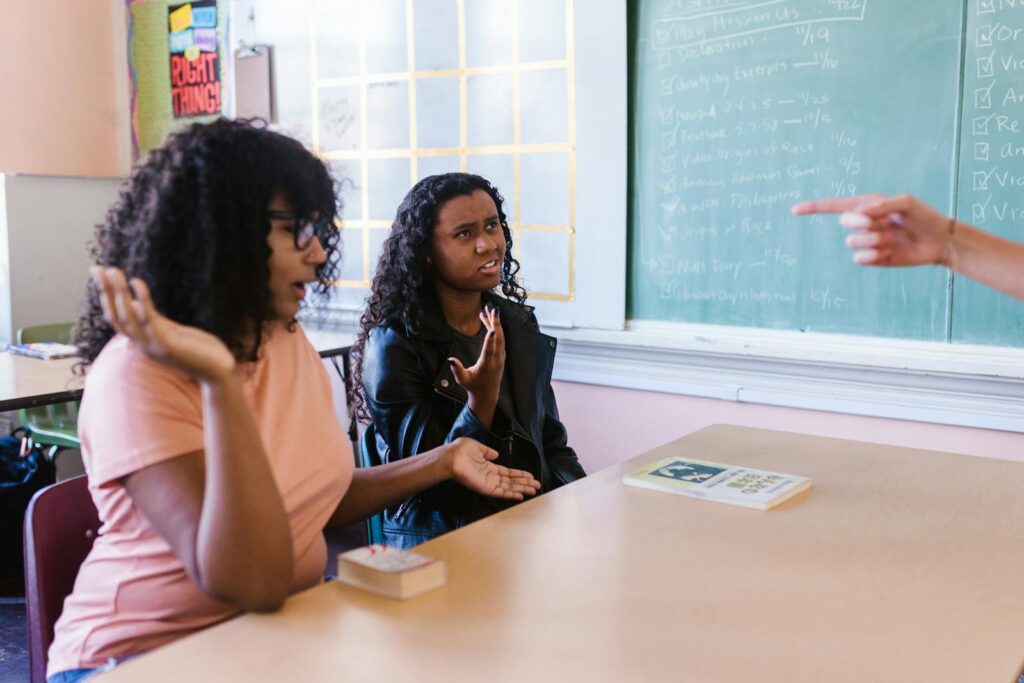
This scenario illustrates a growing trend where parents seem to expect teachers and school staff to handle tasks that traditionally fall under the realm of parenting. The parent’s expectation for the para to take on additional responsibilities struck a nerve. Many teachers can relate to the pressure of being expected to fill in the gaps left by parents.
Some people had very different reactions to the situation. One commenter noted that while integrating social and emotional learning into the curriculum is important, it feels like it’s pulling teachers away from core content. They questioned if it should be a teacher’s role to teach kids how to be kind or navigate social situations when that’s typically a parent’s job.
Another user chimed in with a more direct approach, suggesting the parent should simply take the time to teach her child how to use a zipper. It’s a practical skill that, according to this commenter, shouldn’t fall on the shoulders of teachers or school staff. It’s a sentiment that resonates with many educators who feel the burden of unmet parental expectations.
Other reactions included a general disbelief that parents would avoid basic interactions with their kids, like explaining how to operate a zipper. Comments like, “Do some parents just straight up hate associating with their kids?” reflect a frustration over how certain responsibilities are slipping away from home and onto school grounds.
This incident raises the question of where the line is drawn between teaching and parenting. As classrooms become more supportive environments, educators are often left wondering how to balance their roles. With so many parents relying on schools to pick up life skills that should be learned at home, it creates a complicated dynamic. The expectation that a para should help all kids with skills outside their assigned responsibilities can seem unreasonable, yet it’s not uncommon.
As these discussions unfold, it’s clear that the relationship between parents and schools continues to evolve. The reality for many teachers is that they are frequently asked to manage not just academic growth but also social and life skills development. How can schools effectively meet these demands without overstepping boundaries that parents should be managing?
More from Decluttering Mom: