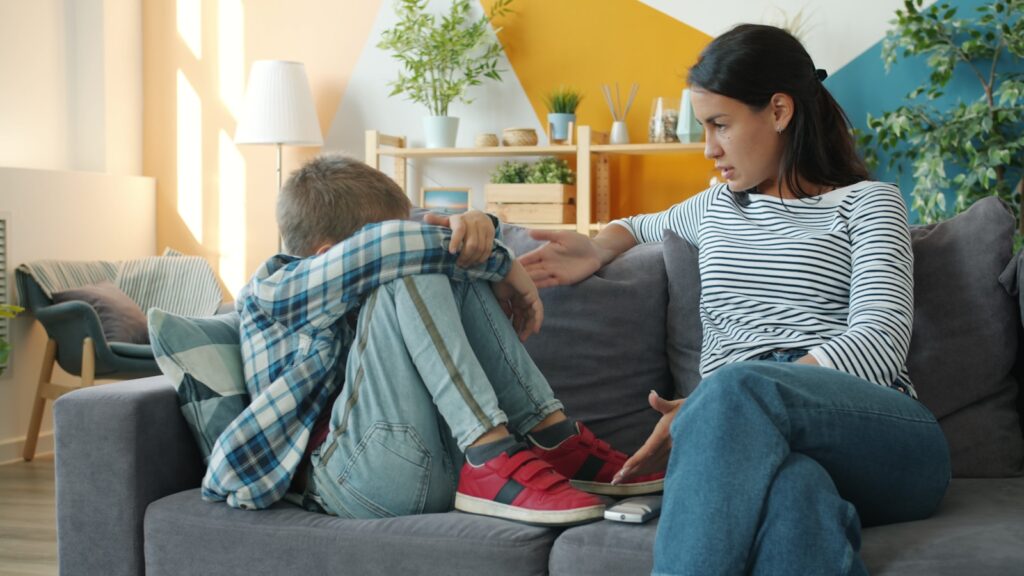
A six-year-old quietly slipping stickers and pencil toppers into a backpack is every teacher’s headache and every parent’s gut punch. In one family’s case, the child eventually admitted she had picked up the habit from a YouTuber who films shoplifting for entertainment. That confession sits at the intersection of childhood development, online culture, and the very real responsibility adults carry for what kids see and copy.
Stealing at this age is not automatically a sign of lifelong trouble, but it does demand attention, especially when a camera and an algorithm are part of the story. The mix of playground pressure, still-forming impulse control, and glossy videos that treat theft like a prank can nudge a young child into testing boundaries in ways that feel shockingly grown up.
When stealing is a phase, and when it is something more
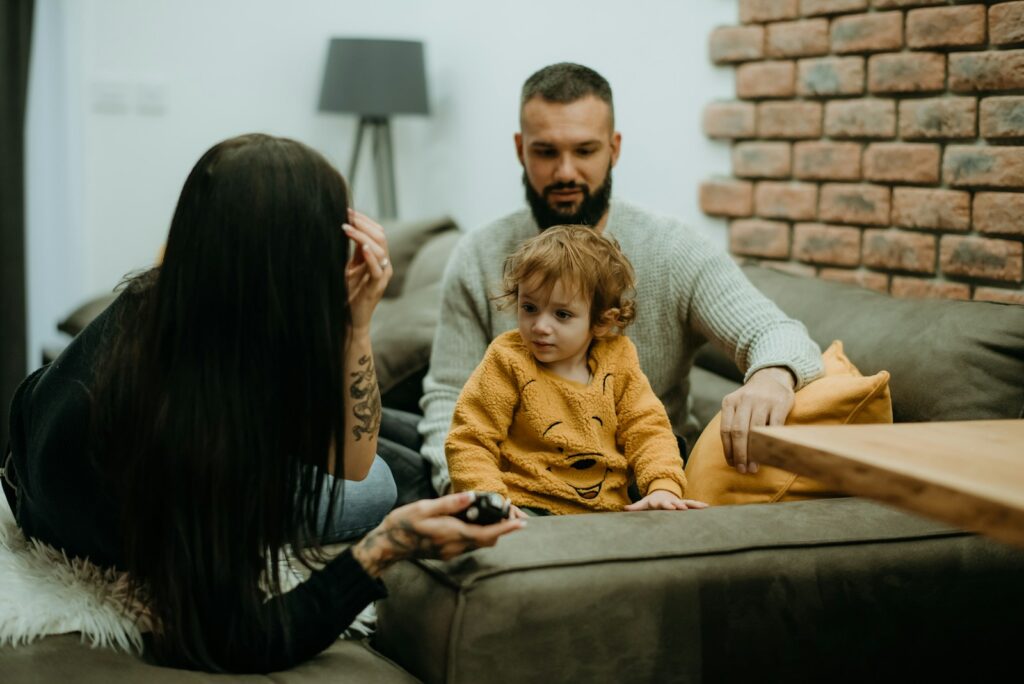
Child development specialists have long pointed out that lying and stealing often show up in the early school years, roughly ages 5 to 8, as kids experiment with rules and social standing. Guidance from pediatric clinicians notes that these behaviors are more common in boys than girls, and that a child who lies or steals while also avoiding friends or group play may be signaling low self-esteem or depression rather than simple mischief, according to advice on lying and stealing. For many children, the behavior fades once adults respond calmly, set clear limits, and help them repair the damage.
There are cases where stealing is part of a deeper pattern. Mental health experts describe kleptomania as a disorder in which a person repeatedly fails to resist the urge to steal items they do not need and could afford, often feeling tension before the theft and relief afterward, as outlined in an overview of kleptomania. That diagnosis is rare and typically associated with older children, teens, and adults, not a first grader who pockets a classmate’s eraser after watching a flashy video. Still, knowing that compulsive stealing exists helps parents separate a one-off copycat act from a pattern that might warrant professional help.
How a YouTuber becomes a bad role model
For a six-year-old, a creator who treats shoplifting as a game can look like the coolest person in the world. The child in this scenario did not invent the idea of stealing from thin air; she had seen it modeled, edited with music, and rewarded with likes. Social media already has a history of turning theft into content, from the “Devious Licks” trend on Tik Tok that encouraged students to steal or vandalize school property to other prank-style challenges that glamorize breaking rules, as parents trading stories about Devious Licks have described. When a young viewer sees that kind of behavior framed as clever or funny, it can feel less like wrongdoing and more like a script to try out.
Parents and teachers are not imagining the pull that these videos have. People who work with kids have noticed that children are fascinated by edgy topics like violence and taboo behavior, and some online commenters suspect that certain channels lean into that curiosity “for clicks,” as one person put it while discussing a suspicious kids’ channel on a Reddit thread. This does not make every misstep the internet’s fault, but it does mean adults have to assume that if a behavior can be filmed, edited, and monetized, a child will eventually watch it and wonder what happens if they copy it in real life.
What parents can actually do, from conversations to reporting tools
Once a child has stolen, the first job is not to panic but to teach. Child psychiatry guidance suggests that adults should calmly tell the youngster that stealing is wrong, help them return or pay for the item, and make sure they do not benefit from what they took, while also avoiding labels like “thief” or “bad person,” according to recommendations on children who steal. Parenting coaches such as Nicolen Peek and pediatricians like Dr Lewis First have shared similar advice in video guides on how to handle a child who lies or steals, emphasizing firm boundaries, empathy, and follow-through in clips like Nicolen Peek and and the segment First With Kids. Those steps help the child connect actions with consequences without turning a teachable moment into a shame spiral.
The second job is to deal with the digital trail that led there. Every standard YouTube video has a built-in way to flag problems: users can sign in, click the three dots, and use the report feature to alert moderators to content that promotes theft or targets children. Safety advice for families also explains how to report inappropriate behavior toward minors, including child sexual abuse imagery, through dedicated family reporting channels, and stresses that if a child seems to be in immediate danger, local law enforcement should be contacted first.
More from Decluttering Mom: