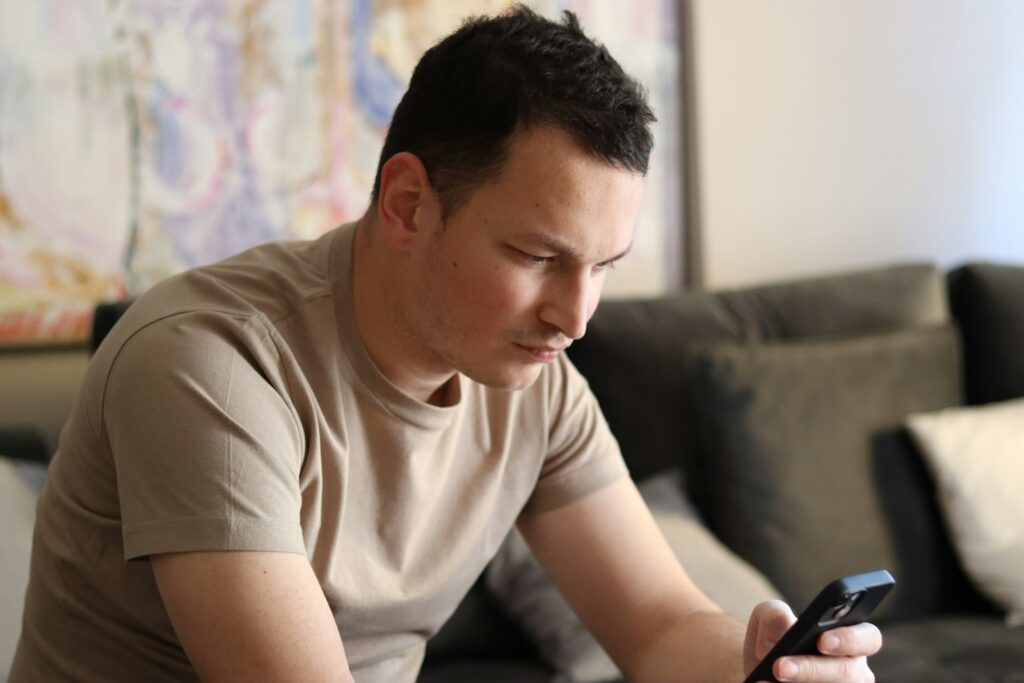
She had confirmed brunch three times before 8 a.m. By 8:47, her three-year-old had a fever of 101, the backup sitter was not answering, and she was typing the same text she had typed a dozen times before: “I’m so sorry, I can’t make it.” By the time her friend replied with a short “no worries,” both of them knew something small had just cracked a little further.
Scenes like that one play out constantly in single-parent households across the United States. According to the U.S. Census Bureau, roughly 10.9 million single-mother families and 2.4 million single-father families were counted in 2023, and researchers have long documented that solo parents face sharper social isolation than their partnered counterparts. A 2023 report from the American Psychological Association notes that single parents report higher rates of loneliness and are more likely to describe their social networks as shrinking over time. The canceled plans are a symptom, not the disease. The disease is a daily structure that leaves almost no margin for spontaneity, rest, or reciprocity in friendships.
When canceling becomes the default
From the outside, a third canceled dinner looks like disinterest. Inside a single-parent household, it looks like triage. The sitter falls through. A work shift runs long. The toddler who seemed fine at 5 p.m. is throwing up by 6. Each cancellation is rational in the moment, but the accumulation sends a message the parent never intended: you are not a priority.
Licensed clinical social worker Judith White, who specializes in parental burnout, has described this cycle in blunt terms: single parents are not unreliable, they are operating without a safety net, and friendships are usually the first thing that falls when the net is missing. Online, the pattern surfaces constantly. In a Reddit thread titled “Anyone lose friendships when becoming a single parent?”, dozens of solo parents described the same arc: cancel, apologize, cancel again, watch the invitations dry up, then sit in the quiet wondering whether the isolation is their fault.
Friends on the other side of those cancellations are not villains, either. Repeated no-shows strain even the most patient relationships. The disconnect is structural: one person is juggling bedtime, bills, and a sick kid with no backup, while the other person is simply trying to maintain a friendship and keeps getting turned down. Without honest conversation about what is actually happening, resentment builds on both sides.
Friendship grief hits single parents harder
When the invitations stop, what follows is more than loneliness. Psychologists use the term “friendship grief” or “ambiguous loss” to describe the pain of relationships that fade without a clear ending. Unlike a breakup or a death, there is no defined moment to mourn, just a slow realization that someone who used to text every day now only reacts to an Instagram story once a month.
For single parents, that grief layers on top of losses they may already be carrying: the end of a partnership, a shift in identity, a shrinking sense of self outside the role of “mom” or “dad.” Dr. Miriam Kirmayer, a clinical psychologist and friendship researcher based in Montreal, has written that the loss of a close friendship can rival the emotional weight of a romantic breakup, particularly when the person losing the friendship is already socially isolated. Single parents fit that profile almost by definition. They have less time, less energy, and fewer organic opportunities to meet new people, which means each lost friendship removes a larger share of their total support.
A resource guide from Nationwide Children’s Hospital lists social isolation as one of the primary stressors single parents face and recommends seeking structured support groups rather than relying solely on informal social circles that may not survive the demands of solo parenting.
Rebuilding a social life that fits the actual schedule
The parents who do climb out of that isolation tend to describe a shift in strategy, not just a shift in luck. Instead of trying to maintain friendships built around spontaneous dinners and late nights, they look for connections that accommodate the reality of their lives: playground meetups, co-working sessions during school hours, online communities where nobody judges a 10 p.m. response time.
One commenter in the Reddit thread mentioned above said it took months of therapy and deliberate effort before they started attending local meetups and eventually found a circle of people who understood why they might show up late with a stroller and a diaper bag. That experience tracks with what support organizations recommend. The Life of a Single Mom, a national nonprofit, runs peer support groups in churches and community centers across the country, specifically designed for solo parents who need connection but cannot commit to the kind of social calendar their partnered friends keep.
Therapists who work with single parents also stress the importance of communicating honestly with existing friends before the relationship erodes. A short, direct message explaining the constraints, something like “I want to see you, my schedule is brutal, and I need you to keep inviting me even when I cancel,” can do more to preserve a friendship than a dozen apologetic texts after the fact.
None of this erases the structural problem. A parent without reliable childcare, flexible work hours, or a co-parent to share the load will always face harder tradeoffs than someone with those resources. But naming the pattern, grieving the friendships that could not survive it, and building new ones with open eyes is not settling. It is the most practical form of self-care a single parent can practice, and it starts with refusing to believe that the cancellations mean something is wrong with them.
More from Decluttering Mom: