A woman said a bizarre weeklong exchange with a stranger online left her angry, creeped out, and refusing to return money he sent after she repeatedly told him to stop. What began as a series of confusing $1 Venmo requests from a man she did not know quickly escalated into a pushy back-and-forth involving Snapchat, broken promises, and demands that made her feel like he believed sending money automatically entitled him to her attention.
According to her, the situation started when she began receiving repeated Venmo requests from the same man, all with memos telling her to “request me $200.” At first, she ignored them, assuming it was spam or some kind of weird trolling. But while she was at work one day, she noticed the same username popping up on Snapchat, where the man was also messaging her and repeating the same request. That was the moment she realized the Venmo requests and Snapchat messages were coming from the same person.
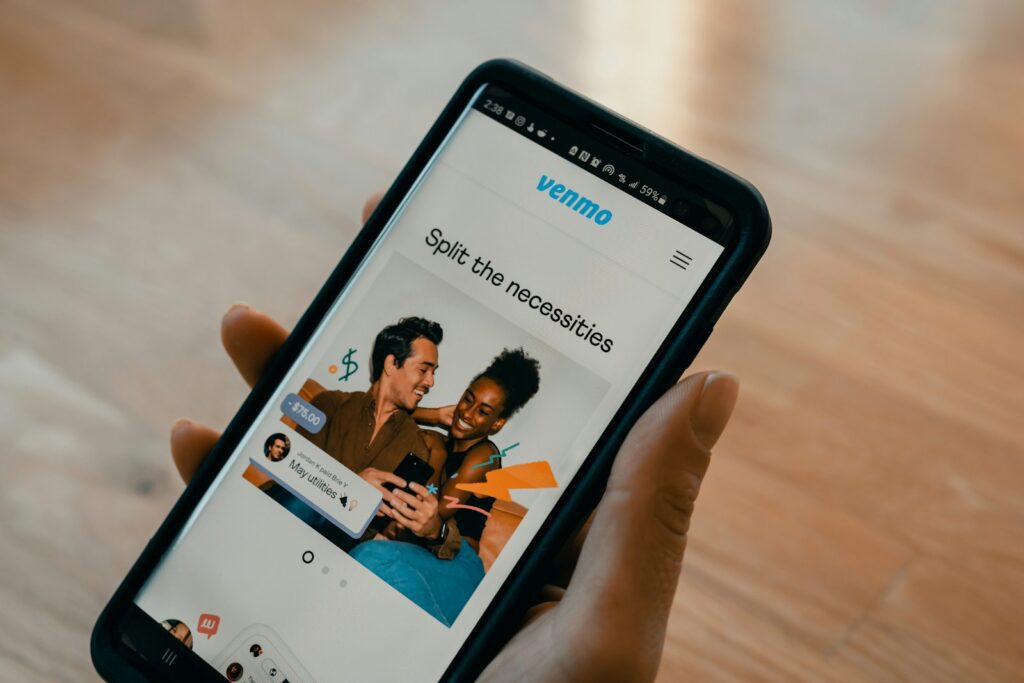
Curious, she finally decided to play along. She said she avoided opening any photos or videos he sent, since she had no idea what might be in them, but she did read the chat messages. They all reportedly pushed the same thing: request him for money. So she did exactly that and sent him a Venmo request for $200, expecting that if he had been hounding her for a week to do it, he would send the full amount immediately. Instead, she said, he sent only $20.
That was where the interaction started to feel deceptive rather than just weird. She said the man then messaged her on Snapchat asking whether she was going to keep talking to him after he sent the money. She agreed she would continue the conversation, but made clear that she had not promised anything sexual or suggestive. In her mind, that meant maybe chatting, maybe sending a basic selfie, nothing more. But when the money arrived and it was only $20 instead of the $200 he had kept insisting on, she said she was already irritated by what felt like bait-and-switch behavior.
The next day, the situation got even worse. She woke up to a flood of Snapchat notifications from him and saw a message asking what he was getting in return for the $20 he had sent. That was when, by her telling, the whole exchange stopped being quirky and became openly disrespectful. She responded that people should not send money they were not asked to send and then assume that automatically meant they were owed something. He then promised again that he would send the rest of the money.
Even then, she kept giving him chances to either follow through or stop wasting her time. When he asked for “just a picture of your face” and claimed he would immediately send the rest afterward, she sent a basic Snapchat and waited. Once again, no Venmo notification came. Instead, he shifted the goalposts and started asking her to answer a FaceTime call, insisting it would be quick and quiet. That demand, she said, pushed her over the edge. She told him she was not going to FaceTime him, not now, not ever, and that she was done with the conversation.
Rather than backing off, he kept trying to negotiate. She said he sent a screenshot showing he was about to send $50 and asked what memo he should use, then claimed he would send the rest after they FaceTimed. At that point, she told him flat-out not to send it and that she did not want it. She said she had already decided she was going to block him because the entire exchange had left her furious and stressed out. But despite being told not to do it, he sent the $50 anyway.
After that, she blocked him on Snapchat but left Venmo unblocked, which is when the requests for the money back started coming in. According to her, he sent repeated requests and reminders for the $50, apparently expecting her to return it now that he had not gotten the FaceTime or attention he thought he had paid for. By then, she had made up her mind that she was not sending it back. In her view, he had harassed her, wasted her time, ignored her boundaries, sent money she explicitly told him not to send, and acted as though payment entitled him to access to her.
What makes the story hit such a nerve is not just the money. It is the entitlement underneath it. From her perspective, this was a man who tried to manufacture an obligation by repeatedly pushing her to request money, then underpaying, then attaching strings, then demanding escalating access. When that did not work, he acted like the victim and started chasing her for repayment. That is why, for her, keeping the money was not really about profit. It was about refusing to reward behavior she saw as manipulative and disrespectful.
More from Decluttering Mom: