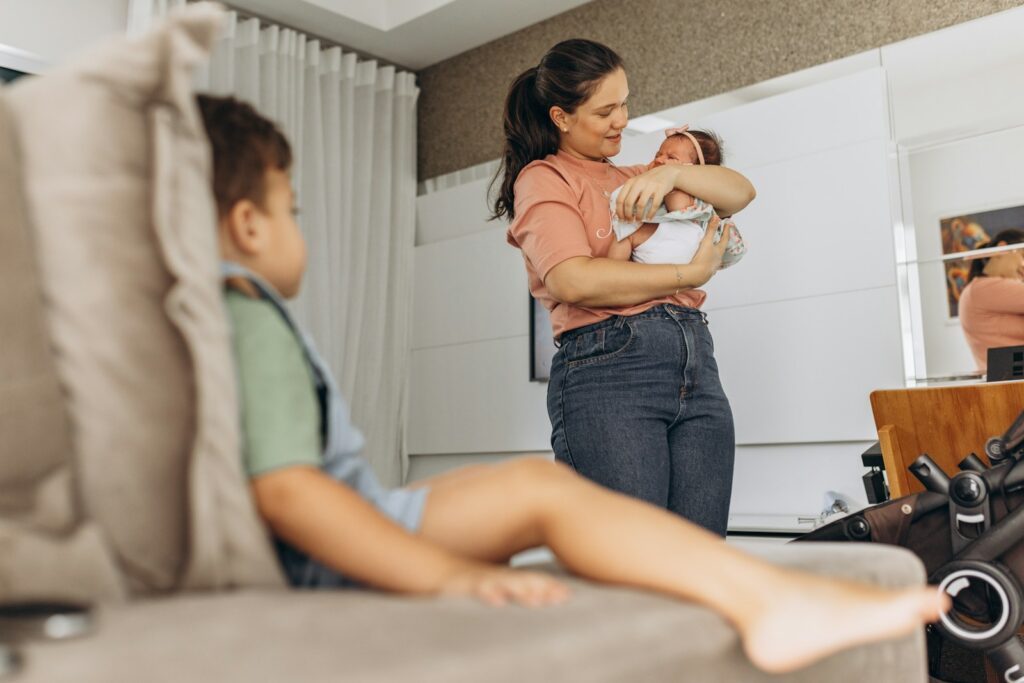
The argument started over a two-liter bottle of Coke. A teenage boy, recounting the dispute online, insisted he deserved a bigger pour because his older sister could “just drink wine” once the soda ran out. His logic was airtight by sibling standards: she had backup options, so he should get more of the shared supply. To him, wine was not a controlled substance. It was just another drink in the house that he did not happen to have access to yet.
The story circulated as a joke, but pediatricians and addiction researchers hear something more revealing in it: a teenager who has already filed alcohol in the same mental category as snacks and streaming passwords. That casual framing, experts say, is exactly the kind of early normalization that public health campaigns have spent decades trying to prevent.

Why the drinking age is 21, and why teens keep testing it
The National Minimum Drinking Age Act of 1984, signed by President Reagan, did not outright ban underage drinking. Instead, it threatened to withhold a portion of federal highway funding from any state that allowed the purchase or public possession of alcohol by anyone under 21. Every state eventually complied. The rationale was blunt: younger drinkers were dying on the road at alarming rates, and a patchwork of state age limits between 18 and 21 was making the problem worse.
The policy worked. The National Highway Traffic Safety Administration estimates that minimum-drinking-age laws have saved more than 30,000 lives since 1975. The CDC’s summary of the evidence confirms that the 21 threshold reduced not only traffic fatalities but also alcohol-related assaults, drownings, and suicide among young people.
None of that history registers when a 15-year-old is staring at a half-empty soda bottle. To him, 21 is not a public health milestone. It is an arbitrary gate that his sister is closer to walking through.
What teens believe about alcohol vs. what the data shows
Teenagers tend to overestimate how much their peers drink and underestimate the risks. They hear about European countries where wine with dinner is a rite of passage, or about a cousin who had a beer at Thanksgiving and turned out fine. The legal age starts to feel negotiable, like a suggestion rather than a statute.
The science points the other direction. The National Institute on Alcohol Abuse and Alcoholism reports that people who begin drinking before age 15 are more than three times as likely to develop alcohol use disorder at some point in their lives compared to those who wait until 21 or later. Early drinking is also associated with higher rates of academic failure, unintentional injury, and mental health problems, including depression and anxiety.
There is some encouraging news in the trend lines. Data from the 2023 National Survey on Drug Use and Health shows that underage drinking has been declining for more than a decade. Among 12-to-17-year-olds, past-month alcohol use dropped from about 14% in 2011 to roughly 6% in 2023. But millions of minors still drink each year, and binge drinking among older teens remains a persistent concern.
The boy in the soda dispute is not necessarily sneaking drinks. But his framing reveals that alcohol already occupies a normalized space in his thinking, and researchers say that cognitive shift often precedes the behavioral one.
The gray areas inside the house
Part of what muddies the message for teens is that the law itself is not as clean as “no drinking under 21.” The Alcohol Policy Information System, maintained by the NIAAA, catalogs a wide patchwork of state-level exceptions. Some states permit minors to consume alcohol in private residences with parental consent. Others carve out allowances for religious ceremonies or culinary education. The 21st Amendment to the Constitution reserves broad authority over alcohol regulation to the states, which means the rules a teenager encounters can shift depending on which side of a state line the family lives on.
Parents sometimes interpret those exceptions as permission to introduce alcohol at home under supervision, reasoning that controlled exposure is safer than unsupervised experimentation. But a widely cited 2015 study published in The Lancet Public Health (Mattick et al.) followed Australian families over six years and found that parental supply of alcohol was associated with increased binge drinking and alcohol-related harms in adolescence, not decreased risk. The “better they learn at home” theory did not hold up.
In some states, the legal consequences are sharper than parents expect. California law, for instance, treats furnishing alcohol to a minor as a misdemeanor under Business and Professions Code §25658, and parents are not exempt. A conviction can also trigger charges of contributing to the delinquency of a minor under the state’s penal code.
When a teenage boy watches his sister pour a glass of wine and mentally adds it to her column of household advantages, he is reflecting whatever signals the adults around him have been sending. The soda argument is small. The assumptions underneath it are not.
What parents can do with the moment
The American Academy of Pediatrics recommends that pediatricians screen for alcohol use starting at age 9 and that parents begin direct, nonjudgmental conversations about drinking well before high school. The goal is not to deliver a lecture but to correct the kind of casual misperceptions that show up in a sibling argument over soda.
A teenager who thinks wine is just another beverage option is not broken. He is working with the information his environment has given him. The job for parents is to fill in what he is missing: that alcohol is a drug with measurable effects on a developing brain, that the law exists for documented reasons, and that fairness between siblings has nothing to do with who gets to drink what.
That conversation does not have to start with a news article or a government pamphlet. Sometimes it starts with a two-liter bottle of Coke and a kid who thinks he has been shortchanged.
More from Decluttering Mom: