Woman Says Her Best Friends Disappeared During the Hardest Year of Her Life and Now Her Closest Friend Still Parties With Them
March 15, 2026213Views
6
Minutes Read
The story surfaces in therapy offices, support groups, and late-night text threads with striking regularity: a woman hits the hardest stretch of her life, and the friends she counted on most quietly stop calling. The group chat keeps buzzing, but not for her. The brunch invites dry up. And then comes the twist that makes it worse: the one friend who did stick around keeps showing up in Instagram stories with the very people who ghosted her.
If that sounds familiar, you are far from alone. Researchers who study adult friendship have found that social bonds are especially fragile during prolonged hardship, and that the fallout can carry real psychological weight. What looks like simple betrayal often runs on deeper, more uncomfortable mechanics.
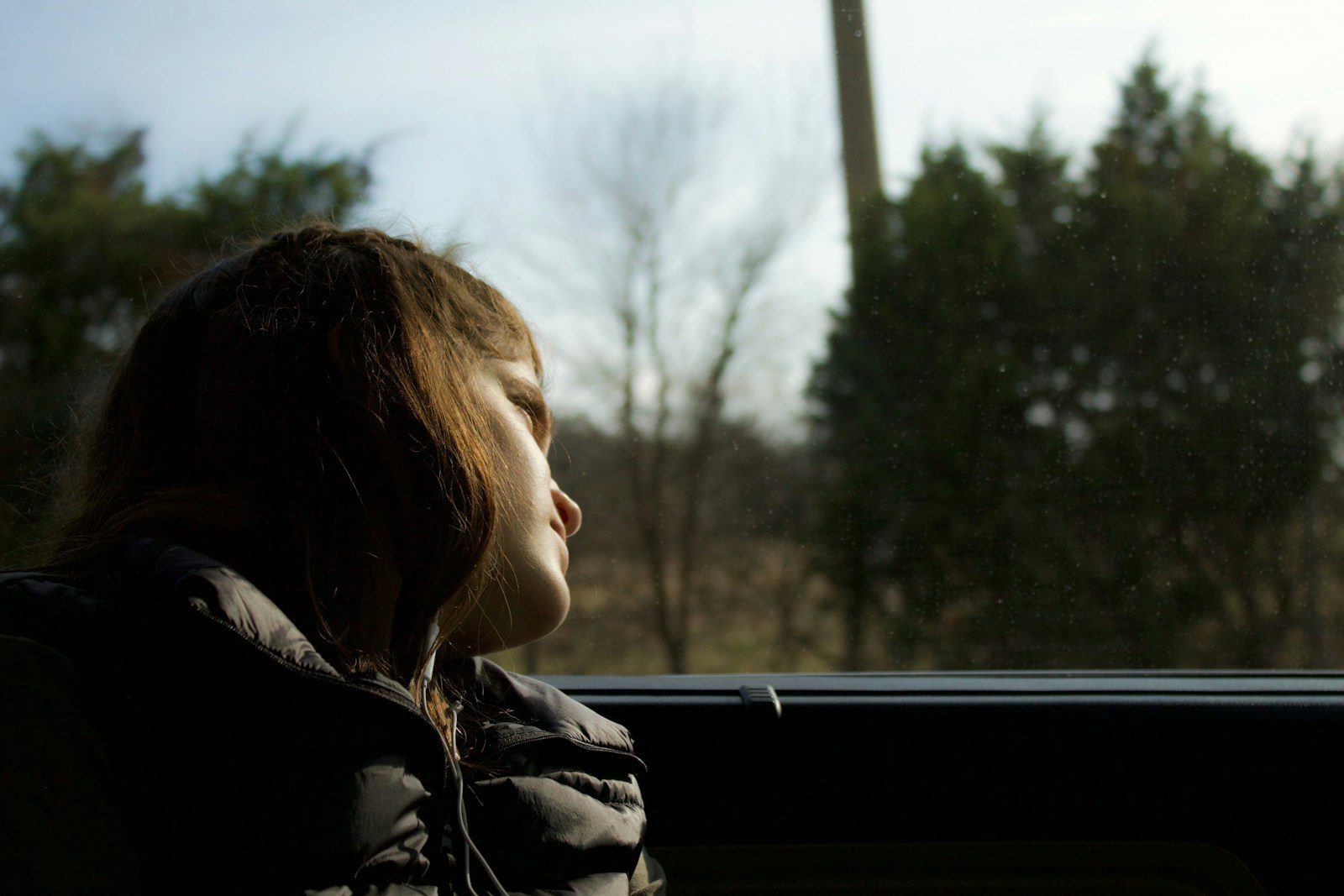
Photo by Jametlene Reskp on Unsplash
Why “ride or die” friends sometimes vanish in a crisis
The disappearing act rarely starts with a conscious decision to abandon someone. According to grief counselors, friends who pull away during someone’s worst period are often reacting to their own discomfort. They fear saying the wrong thing, feel overwhelmed by the intensity of another person’s pain, or are forced to confront losses they have not processed themselves. Rather than admit that vulnerability, they go quiet.
The pattern gets sharper when a crisis drags on. Friends may rally during the first few weeks of a diagnosis, a death, or a breakdown, then fade once it becomes clear the situation is not resolving quickly. As PsychCentral has reported, some friends struggle with the helplessness of a problem they cannot fix, and rather than sit with that discomfort, they withdraw entirely. Others take it personally when they are not looped into every update, and their hurt feelings become a reason to step back.
Psychologist and Stanford researcher Eda Sourkes, who has studied families in crisis, has pointed to a core issue: most people cannot tolerate the feeling of helplessness. When they encounter it in someone they care about, the unconscious response is often to choose distance over presence. That does not make the abandonment hurt less. But it does help explain why it happens so predictably.
The double sting: watching your remaining friend party with the people who left
Losing the group is one wound. Watching your closest surviving friend keep socializing with that same group is a second, sharper one. It forces a question that has no comfortable answer: does she agree with them that I am too much? Or does she just not care enough to draw a line?
Advice columnists hear versions of this constantly. Carolyn Hax, writing in the Washington Post syndicate, once responded to a reader furious that her friend “Julie” maintained a close relationship with someone who had deeply hurt her. Hax’s counsel was direct: the reader had every right to tell Julie how the situation made her feel and to ask for respect and boundaries, but demanding that Julie cut someone off entirely was a different ask, one that rarely works and often backfires.
That advice is sound as far as it goes, but it does not address the deeper psychological hit. What makes this scenario so destabilizing is that it layers fresh betrayal on top of unresolved grief. You are not just mourning the friends who left. You are watching real-time evidence that your pain was not significant enough to change anyone’s social calendar. Clinical psychologists note that this kind of “secondary loss,” where the aftermath of a crisis costs you relationships you thought were safe, can be as damaging as the original event.
For some people, the healthiest conclusion is an uncomfortable one: the friend who keeps partying with the group that abandoned you may not be the ally you need her to be, regardless of her intentions.
How to protect yourself when the group moves on without you
Once the shock fades, the practical question lands hard: what do you actually do? Experts in friendship, grief, and trauma recovery tend to converge on a few principles.
Stop chasing people who keep fading
Maintaining adult friendships requires mutual effort. When you are the only one reaching out, the imbalance is not just exhausting; it reinforces the message that you are not valued. Psychologists who work with adults navigating friendship loss recommend setting a quiet internal deadline. If someone has not initiated contact or responded meaningfully in a reasonable window, let the silence be your answer rather than sending another unanswered text.
Name what you need from the friend who stayed
If you still want the remaining friendship, have the conversation. Be specific: “It hurts to see you hanging out with people who dropped me when I needed them. I am not asking you to cut them off, but I need to know you understand why that is painful for me.” That kind of honesty gives the friendship a chance to deepen or reveals that it cannot.
Build forward, not backward
Trauma-informed communities consistently emphasize the value of creating distance from people whose behavior reopens old wounds. That does not mean scorched earth. It means redirecting the energy you spent maintaining a group that no longer includes you toward people and spaces where reciprocity is real. Support groups, new social circles, even one solid new friendship can begin to fill the gap that a lost group leaves behind.
Take the grief seriously
Friendship loss during a crisis is a legitimate form of grief, and treating it as “just drama” delays recovery. If the sadness, anger, or shame is interfering with your daily life, a therapist who understands relational trauma can help you process it without minimizing it. The American Psychological Association maintains a therapist locator for anyone unsure where to start.
If you are struggling with friendship loss or isolation during a difficult period, the 988 Suicide and Crisis Lifeline is available 24/7 by call or text at 988.
More from Decluttering Mom:
Madison has been writing for as long as she can remember. We're talking high school journals, random blogs, notes she probably shouldn't have passed in class — if there were words to be put together, she was putting them together. But it wasn't until 2020 that she started writing with real purpose, and honestly? Life gave her plenty of material.
She's a mom of three, which means her days are equal parts beautiful and absolutely unhinged. And somewhere in the middle of raising kids, keeping a marriage alive, maintaining friendships, managing family dynamics, and trying to hold it all together without losing herself completely — she realized that relationships are everything. They can be the thing that carries you through hard seasons or the thing that quietly drains you if you're not paying attention.
So that's what she writes about.
Madison covers the full, messy, complicated world of relationships — marriage, friendships, family, the people who fill you up and the ones who absolutely do not. She's not here to sugarcoat it or hand you a list of tips that sound good but don't actually work in real life. She digs into the stuff that's genuinely hard and comes back with real, useful ideas for navigating it without losing your mind or your people.
Her whole thing is this — motherhood is already one of the hardest jobs on the planet. The relationships around you should be making it better, not harder. And if they're not? Let's fix that.
Madison isn't interested in helping you just get through it. She wants you to absolutely nail it — as a mom, as a partner, as a friend, as a person. And she's going to keep writing until she finds every last idea that helps you do exactly that.