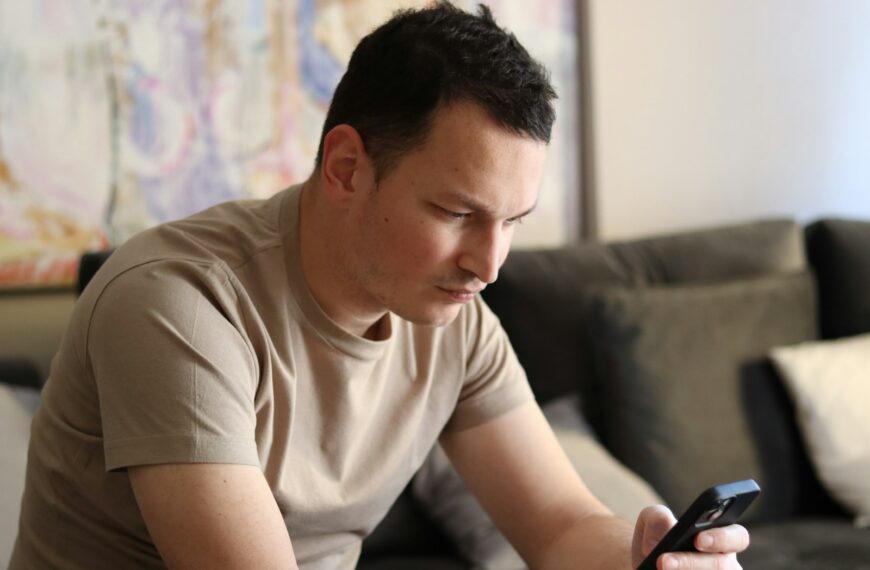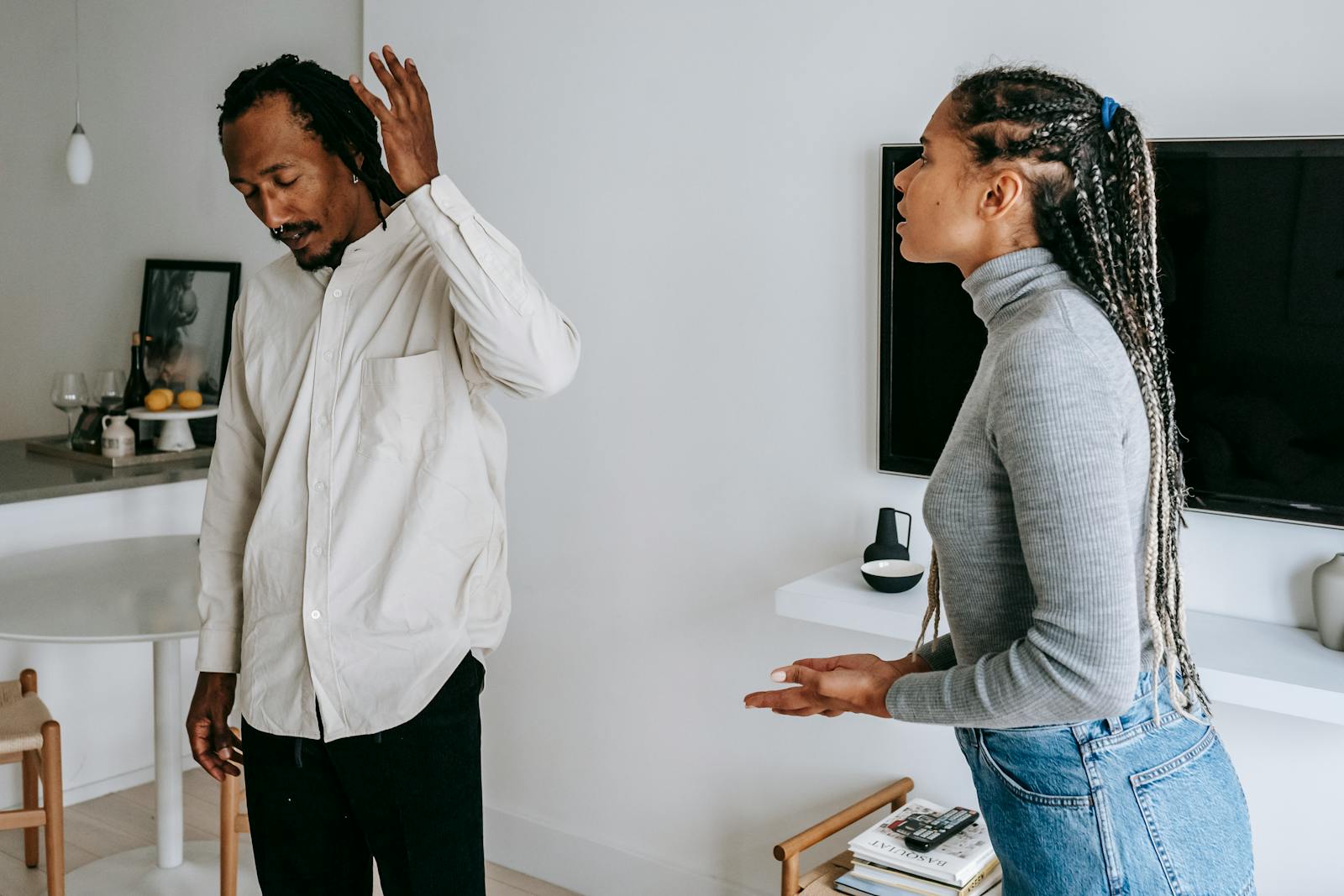
A woman described tying her male friends’ hair for fun at a hangout, only to realize too late that her boyfriend was quietly stewing about it. When she apologized afterward, he replied with a single “lol,” a tiny message that landed like a door shutting in her face and left her wondering whether she had crossed a line or whether he was simply refusing to engage.
The story taps into a familiar dynamic: one partner does something they see as harmless, the other feels jealous or disrespected, and instead of a real conversation, the hurt comes out as sarcasm, distance, or a dismissive one-word reply. That mix of jealousy and emotional shutdown is exactly where many relationships stall.

When playful affection meets quiet jealousy
The woman’s post on AITAH framed the hair styling as a lighthearted bit between friends, something she did without thinking because she was comfortable with them. Commenters quickly pointed out that context matters: tying someone’s hair can look like a small, intimate gesture, especially if it is not something she often does with her boyfriend. One response asked bluntly whether she showed her partner the same kind of affection or if that warmth was reserved for friends, and another warned that what feels like a minor boundary slip can become a pattern of disrespectful behavior if nobody talks about it. The thread on AITAH captured that tension between “this is small” and “this could spiral.”
Jealousy itself is not the villain here. Users in a separate discussion about jealousy stressed that feeling possessive or insecure is a normal human reaction when a partner seems unusually cozy with someone else, especially someone they could theoretically date. One commenter in the INFJ community framed it as a signal rather than a verdict: a cue to talk about boundaries and reassurance instead of a reason to punish or test a partner. Seen that way, the boyfriend’s discomfort is understandable, but the one-word “lol” response after her apology sends a very different signal, one that leans away from connection and into emotional distance.
“Lol” as a shut door and the pattern of dismissive behavior
Relationship counselors often describe dismissive behavior as a pattern of brushing someone off, ignoring their feelings, or acting indifferent when they reach out. One guide on dismissive behavior links this style to emotional trauma and low self worth, where a person learns to push others away to avoid being rejected. In that context, a “lol” to an honest apology is not just lazy texting, it is a subtle way of saying “I am not going to meet you in this vulnerable place.” The message lets him keep his pride and his distance while leaving her hanging with no real feedback about what hurt him.
Others who live with this dynamic describe something similar. One woman wrote that her boyfriend invalidates almost everything she feels, and commenters warned that when she labels his tone as “dismissive” or “condescending,” he doubles down and threatens to walk out. The advice in that thread on invalidating partners was blunt: if someone repeatedly shuts down your attempts to share feelings, the issue is no longer one awkward text, it is a communication style that erodes trust. That is where a single “lol” starts to feel less like a shrug and more like part of a larger pattern of emotional stonewalling.
Experts who study attachment echo this view. Articles on dismissive traits and other breakdowns of avoidant styles describe how people who fear vulnerability often minimize conflict, act aloof, or joke away serious topics. A TikTok coach discussing best friends who act like a couple notes that dismissive avoidance is often wrapped in defensiveness, and that the first step is simply recognizing that defensiveness is there. In her video on dismissive avoidance, she opens with “Well, day one, step one is to recognize your defensiveness. Okay. Dismissive avoidance are very defensive.” The boyfriend’s “lol” fits neatly into that pattern: a defensive, distancing move that keeps him from admitting he felt jealous or hurt.
How couples can move past the “lol” wall
So what does a healthier response look like when one partner feels jealous and the other is genuinely trying to make amends? Coaches who work with conflict avoidant couples talk about “clean conflict” and fair fighting, where both people name what they feel and what they need without turning the moment into a character assassination. In a video on how to communicate with defensive or conflict avoidant partners, the host describes how many people never learned basic tools for staying present in an argument. Instead, they retreat into silence, sarcasm, or half jokes that leave their partner guessing. Replacing “lol” with something like “I felt uncomfortable when you did that, can we talk about it” sounds simple, but it is a learned skill that takes practice.
More from Decluttering Mom: