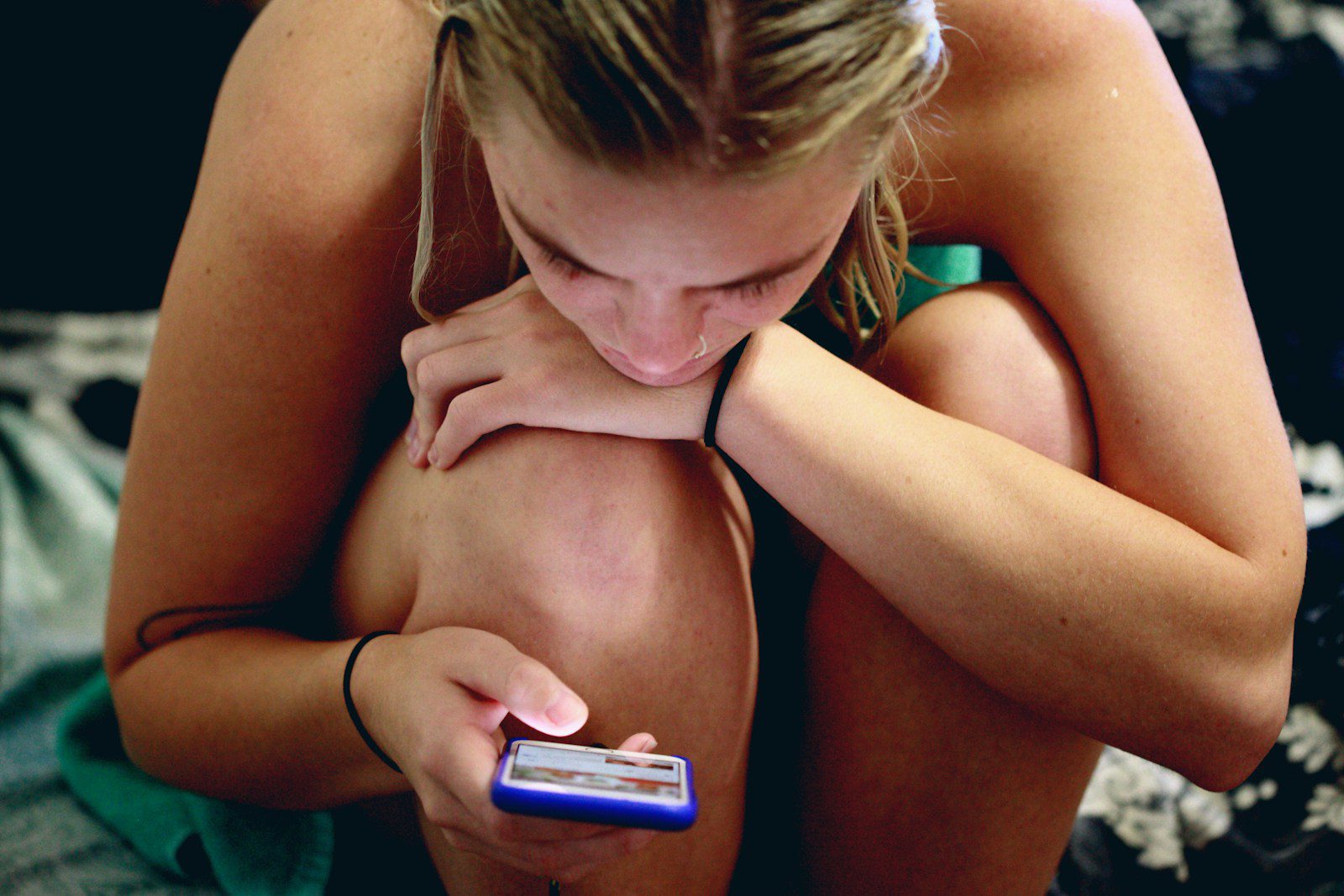
A woman who forgot her phone at a friend’s house says she came back to find those same friends mocking her weight and debating whether she “needed Ozempic.” In a few minutes of overheard gossip, an ordinary visit flipped into a brutal reminder of how casually people still treat other women’s bodies as group-chat content. The story has struck a nerve because it blends two very modern anxieties: body shaming and the sense that someone is always talking about you the second you walk out the door.
Her experience fits into a wider pattern in which women discover, often by accident, that the people around them are turning their bodies, food choices, and private moments into material for jokes, captions, or even viral posts. The betrayal is not just about hurt feelings; it is about consent, power, and who gets to narrate someone else’s life.
The night that turned into a wake-up call
According to her account, the woman had gone over to see friends for what was supposed to be a low-key hangout. She left her phone behind by mistake, then came back and realized the device had become a silent witness. When she returned, she says she heard them complaining that she and her partner had overstayed their welcome and sniping that they both “need Ozempic,” the diabetes drug that has become a shorthand for extreme weight loss culture. The detail about Ozempic turns a bit of rude gossip into something sharper, because it ties her body directly to a pharmaceutical quick fix that has been glamorized across social media.
She also describes hearing them talk about how she “eats all of their good food” and roll their eyes about how long she stayed. One line that sticks out is the way they reportedly framed it as if they were the victims, saying things like “Honestly, that was worse than I already thought it was going to be,” and then doubling down instead of pulling back. In the original clip, the woman notes that these were people she considered close, the kind of friends who might jokingly hype her up as “Most read in Fabulous” one minute and then, behind her back, pick apart what she eats and how she looks the next. That split between public affection and private contempt, captured when she left her phone at their, is what turns an awkward evening into a genuine fracture.
Body shaming as content, from “Queen” captions to secret videos
Her story lands in the same cultural bucket as a string of other incidents where women only discover later that their bodies have been turned into someone else’s storyline. In one widely shared example, a woman recounted how a fitness-obsessed friend would chirp “No excuses, Queen” at her with a bright smile while filming workout clips, then post captions that painted her as lazy, messy, or in need of a makeover. The public-facing language sounded supportive and cute, but the private framing was much crueller, a pattern laid out in a post about “Queen” that showed how easily empowerment slogans get weaponized. That gap between the glossy “you got this, Queen” energy and the snide commentary in the captions mirrors what happens when friends hype someone in group photos, then shred them in private messages.
There is also a more literal version of this problem, where women are filmed without their knowledge and then mocked online. A discussion on r/unitedkingdom described women being secretly recorded for TikTok content and then harassed in the comments, with one user writing “Send me some videos where this happens to men and I’ll happily be outraged at it.” That throwaway line, “Send me some videos,” shows how normalized it has become to treat strangers’ bodies as raw material for entertainment. In those threads, people swap stories of being turned into background characters whose outfits, weight, or walk are dissected for likes. The woman who overheard her friends complaining about her “eating all their good food” is dealing with the same dynamic, just on a smaller, more intimate stage.
What betrayal does to friendships, and why some women are done staying quiet
The emotional fallout from these moments tends to ripple far past the original insult. For the woman who heard her friends say she needed Ozempic, the immediate reaction was shock, then a kind of inventory: every shared meal, every “you look great” compliment, suddenly up for re-examination. She is not just dealing with comments about her size; she is realizing that the people who knew her insecurities best were using them for entertainment. Similar stories keep surfacing across lifestyle sections and comment threads, from the U.S. versions of fabulous-style coverage to their sister sites in other countries. Women are starting to treat these betrayals less as embarrassing one-offs and more as evidence of a pattern where their bodies are endlessly reviewed and rated, even in supposed safe spaces.
More from Decluttering Mom: