
A woman standing at the edge of a new relationship and an old wound is weighing a very specific kind of revenge. She wants to march her loving, stable girlfriend into the orbit of the mother who abused her, almost as a way of saying, “Look what I built without you.” At the same time, she knows that inviting her partner into that history could pull both of them back into years of chaos, blame, and emotional whiplash.
That tension between wanting vindication and wanting safety is familiar to many survivors of family abuse. It sits at the crossroads of trauma, loyalty, and identity, especially for queer adults whose parents tried to control or erase who they are. The urge to force a reckoning is real, but so is the risk of turning a healthy relationship into collateral damage.
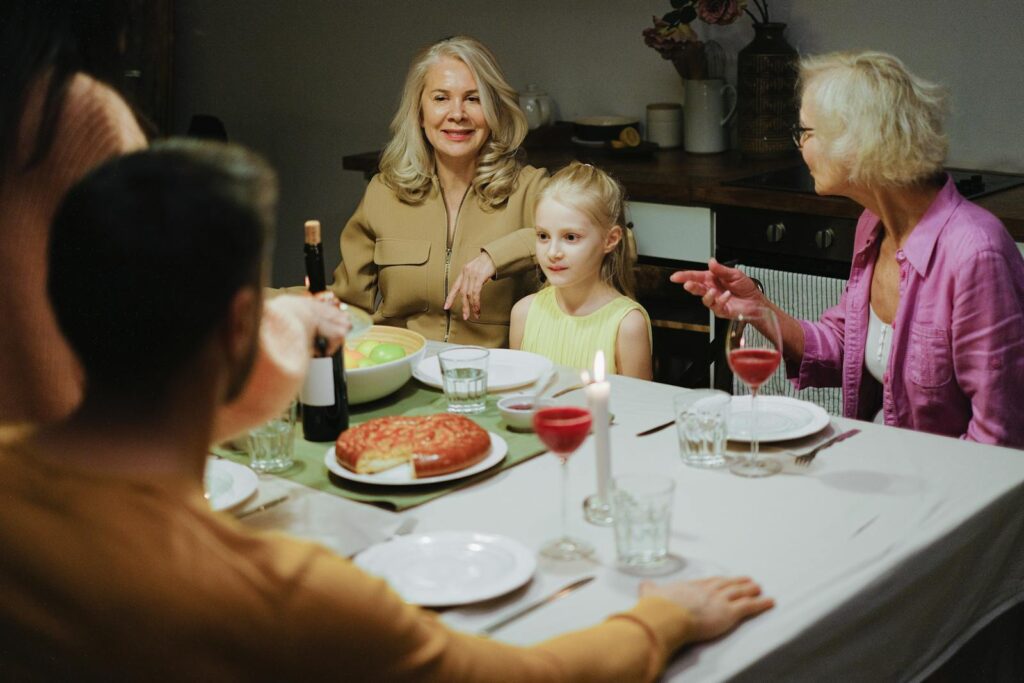
The hidden pull of abusive family dynamics
On the surface, introducing a girlfriend to a parent looks like a normal milestone. In a family marked by emotional or physical abuse, it can be more like stepping back into a rigged game. Domestic abuse experts describe how abusers often rely on patterns of power and control, cycling through charm, criticism, and punishment to keep everyone orbiting them, a pattern that statewide resources on the dynamics of domestic describe in detail. When an adult child walks back in with a partner, the parent does not see two autonomous people. Often, they see a fresh audience and a new person to recruit or undermine.
That is part of why some survivors fantasize about a “big reveal” moment. Showing up with a partner who is kind, grounded, and openly queer can feel like proof that the parent failed to break them. Yet trauma researchers who study domestic violence note that exposure to chronic abuse changes how the brain reads threat and attachment, so old patterns can flare up quickly even after years away, as outlined in clinical work on intimate partner violence. One cutting comment from a parent can send a survivor straight back into survival mode, and a partner who has never seen that side of them may be stunned by how fast they shrink or explode.
When anger turns into “reactive abuse” and misplaced guilt
The woman in this scenario is not just angry at her mother. She is also angry on behalf of her younger self, the kid who never got defended. That kind of stored-up rage can spill out in messy ways when contact resumes. Advocates describe a pattern called reactive abuse, where a victim who has been provoked for years finally yells, throws something, or lashes out, and the abuser then points to that reaction as the “real” problem. If this woman brings her girlfriend into a visit and eventually snaps after hours of baiting, her mother may seize on that moment to paint her as unstable while playing the calm, reasonable parent in front of the new partner.
That distortion feeds directly into guilt and self-doubt. Adult children from abusive homes are often trained to believe they are the difficult one, the dramatic one, the one who ruins family gatherings. Practitioners who work with survivors talk about how some kids even side with the abusive parent to avoid being targeted, a dynamic explored in writing on kids who side. Even years later, that training can make a survivor feel responsible for keeping the peace, which is exactly the pressure this woman risks dumping onto her girlfriend if the visit goes badly.
Protecting a new relationship from old harm
Underneath the spite, there is a quieter question: what does the girlfriend actually owe this family story. Trauma specialists who focus on domestic violence, including clinicians interviewed about trauma and domestic, stress that healing often starts with safety and boundaries, not confrontations. For this couple, that might mean the woman sharing more of her history in private, letting her partner know what her mother has said and done, and making a joint decision about whether any contact is worth the emotional cost. Meeting the family is not a relationship requirement, especially when the family has been a source of harm.
If they do decide on some form of contact, they can set terms that prioritize the relationship over the performance. That might look like a short meeting in a public place, a clear exit plan, and a shared signal if one of them wants to leave. It might also mean agreeing ahead of time that the girlfriend will not step in as mediator if the mother becomes cruel or minimizing, a role that online communities for survivors, including relationship advice forums, warn can quickly become overwhelming. The goal is not to stage a dramatic showdown. It is to keep the present relationship from being swallowed by the past.
More from Decluttering Mom: