One woman was caught off guard when she realized she hadn’t thought about her family for weeks. She noted that it felt both strange and relieving. Years of guilt and negative energy weighed her down, but now, for the first time, she found herself not missing the pressure of family obligations at all. There was a sense of liberation in the silence, even if it left her feeling a bit unsettled.
The woman explained how she had spent too much time wrestling with feelings of guilt over her family. The worry about their well-being had consumed her thoughts, often leading to anxiety. But as weeks turned into an extended absence of communication and concern, she discovered a lightness she hadn’t expected. It was as if stepping away from the chaos allowed a different part of her to emerge—one that didn’t feel obligated to manage familial expectations or deal with their ongoing dysfunction.
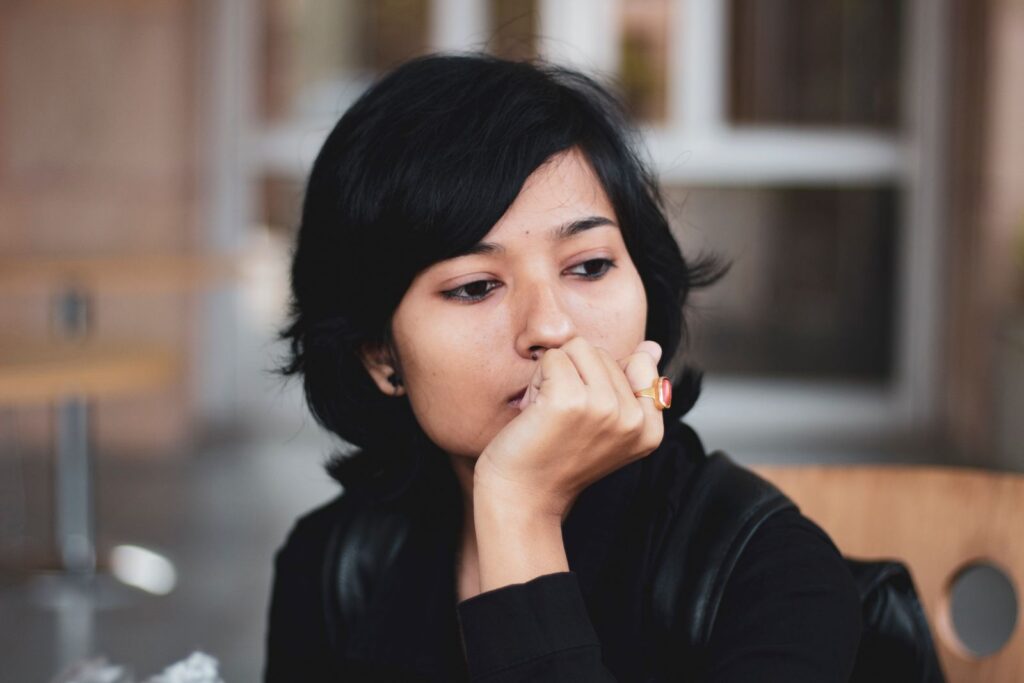
This situation raised questions for many. Could it really be okay to forget about family? As she reflected, she felt torn. The concept of family had always been a significant part of her life, and now its absence was both freeing and disconcerting. She expressed gratitude that she had found a voice to speak up against the negative dynamics, marking a pivotal change in her life.
People had very different reactions to her post. Some were supportive, pointing out that putting oneself first is crucial for mental health. They resonated with her experience, sharing similar stories about distancing themselves from toxic family relationships. One commenter shared how they had also found peace by stepping back, realizing that family doesn’t always mean unconditional love and support.
Others pointed out that there might be a deeper sense of loss in forgetting about family. They noted how, while distancing can bring relief, it can also lead to moments of reflection on what family ties could have meant. It highlighted the bittersweet nature of relationships, especially when those connections become strained. Some voiced concern that forgetting might turn into indifference, and they encouraged the woman to explore that feeling further. After all, the concept of family can be complicated.
The conversation took a turn when others offered practical advice on managing these feelings. Suggestions came in about finding balance—how to care for oneself while also acknowledging the ties that bind. Some talked about setting boundaries, emphasizing that it’s possible to step back without severing ties completely. They pointed out that prioritizing one’s peace doesn’t have to mean abandoning the family entirely; it’s about navigating the relationship differently.
As responses poured in, the woman’s initial relief mixed with the complexities of family dynamics. Did moving on mean truly forgetting? Or was it simply a way to redefine the relationship and the expectations tied to it? The discussion highlighted the conflicting emotions that often accompany estrangement and the authentic need for self-preservation.
In the end, the woman’s story opened a broader dialogue about family, guilt, and individual well-being. With so many varying perspectives on the topic, it’s clear that navigating family relationships can be far from straightforward. Would distancing really create the healthy space needed, or would it lead to more questions about connection and belonging?
More from Decluttering Mom: