One mom was caught off guard when her dad, once a source of deep, thoughtful conversations, began to behave like a child. This shift didn’t happen overnight, but it became painfully evident as his chronic condition, DCM, progressed. The conversations that once filled the room with wisdom and insight faded, leaving behind a stark contrast to what once was. Now, she found herself feeding him, managing his wandering, and facing a new reality that felt utterly isolating.
In the midst of these changes, the parent grappled with feelings of loneliness. She hadn’t stepped outside in days, lost in the overwhelming responsibilities of caring for someone who had once been her rock. The weight of her father’s decline pressed heavily on her. Suddenly, her world shrank to the four walls of their home, where her days blurred into routines that didn’t allow for respite or self-care.
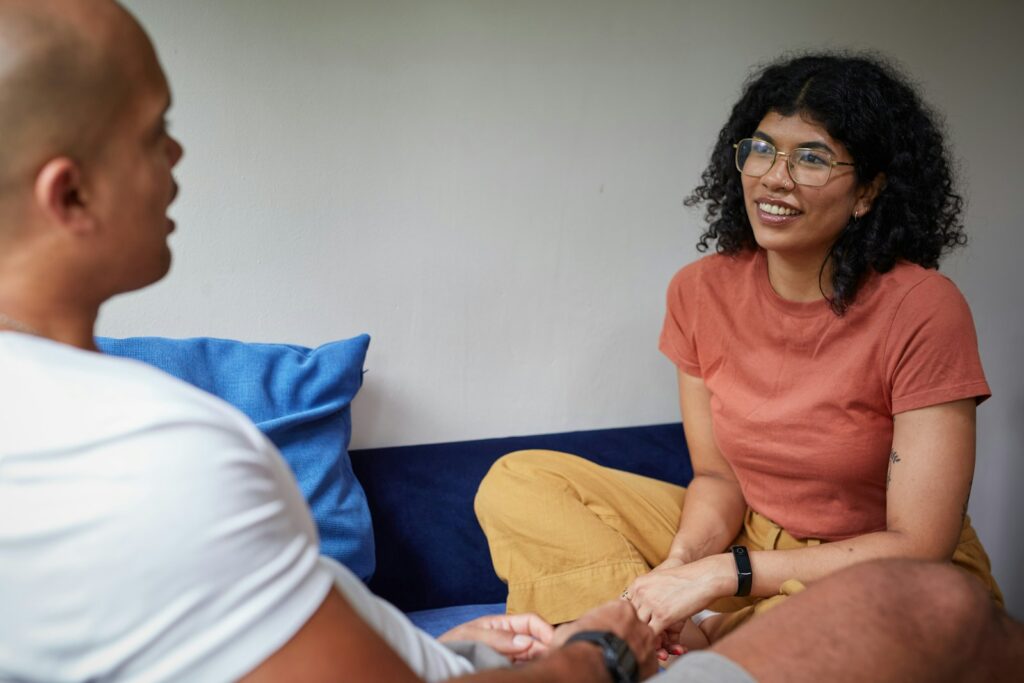
Compounding the sense of isolation, she faced issues with people around her. Instead of support, some individuals began to take advantage of her vulnerability, leaving her feeling even more deserted. It wasn’t just about missing her dad; it was about the loss of connection to the world and the person he used to be.
People had very different reactions to her message. Some reached out with empathy, sharing their own experiences with family members who faced similar struggles. They understood the weight of caregiving and the frustration that come along with it. Others pointed out that this kind of shift in family dynamics can be deeply unsettling, creating a ripple effect that impacts everyone involved.
Some commentators expressed their disbelief at how quickly things could change. They pointed out how illness can alter family roles, turning caregivers into parents overnight. This shift left no room for the complex emotional landscape that came with watching someone deteriorate. The conversation naturally shifted towards how isolation can set in, and the importance of acknowledging the caregiver’s own needs.
Others reminded her that she wasn’t alone, encouraging her to seek help and reach out to others who could support her during this challenging time. They emphasized that it was okay to feel overwhelmed and that asking for assistance isn’t a sign of weakness. This advice echoed sentiments heard in many similar discussions, where support networks and community connections often became lifelines in difficult times.
With so many perspectives shared, the mom found herself in a whirlwind of both understanding and confusion. The comments reflected a blend of hope and realism—acknowledging the hardships while also emphasizing the need for community support. But there lingered an unsettling question: how does one navigate this shift in their relationship with a parent, and what does it mean when someone they love can’t be the person who once shaped their thoughts and world?
The complexities of caregiving often emerge in such conversations, exposing the raw edges of relationships that aren’t easily smoothed over. It’s a reminder that when illness strikes, it can alter not only the dynamics within a family but also the fundamental essence of who people are to each other.
As the Reddit discussion unfolded, it became clear that a shared experience of loss and adjustment connected these voices. Yet, with every shared story came the weight of reflection—how far they had come and the long road still ahead. Questions remained about personal well-being and the fine line between caring for someone else and caring for oneself. As these layers of emotion and experience intertwined, it left many pondering how to find balance in a reality that had shifted so drastically.
More from Decluttering Mom: