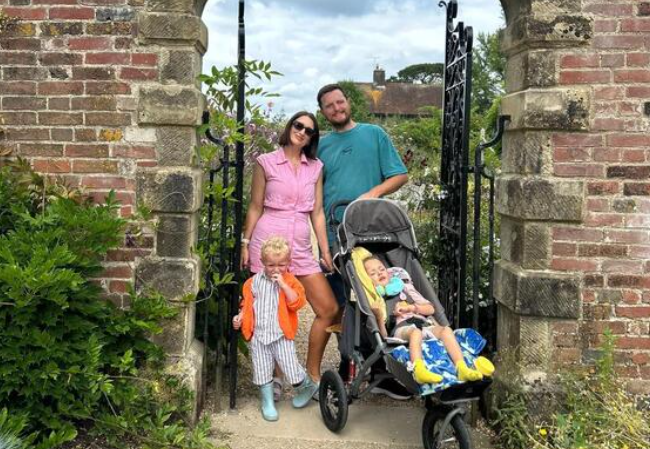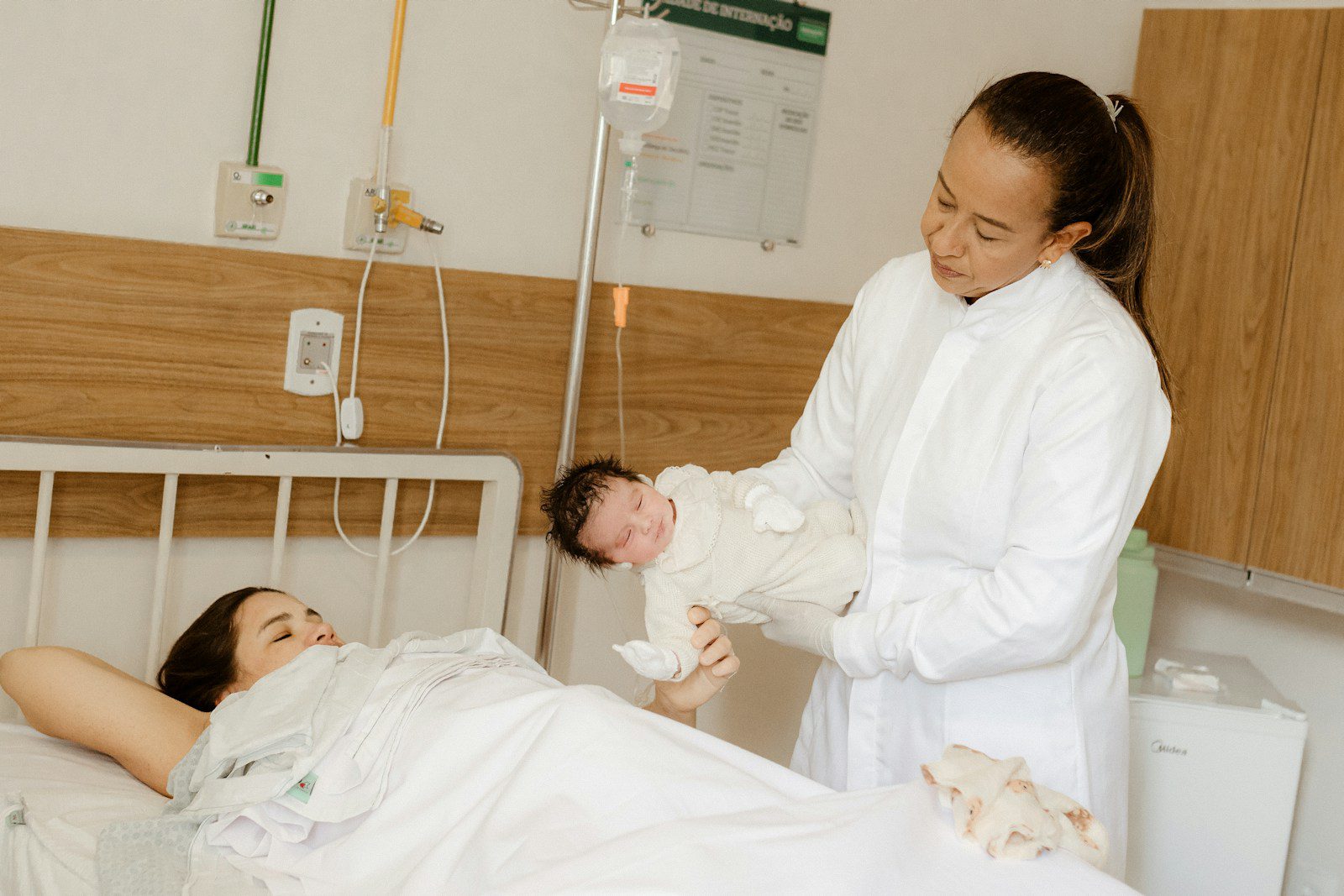
You feel the weight of eight months as if it were your own—endless hospital nights, phone calls that never come, and the slow, sharp anxiety that lives in the chest. Then a single voice cuts through: Mom announces that her daughter will get a transplant tonight, and everything tilts toward a raw, urgent hope.
This post explains what that announcement means right now, what the family faced to reach this moment, and what to expect during the transplant and recovery. It walks through the emotional shock of the news, the logistical scramble of transplant day, and the fragile hope that follows, so you can understand both the practical realities and the human stakes.
You’ll see the announcement’s immediate impact on family dynamics, the months of challenges that led here, and the reasons transplant teams call a match a miracle. The story balances medical detail with the emotional truth of holding breath while waiting for a life to change.
Mom’s Announcement and the Life-Changing News
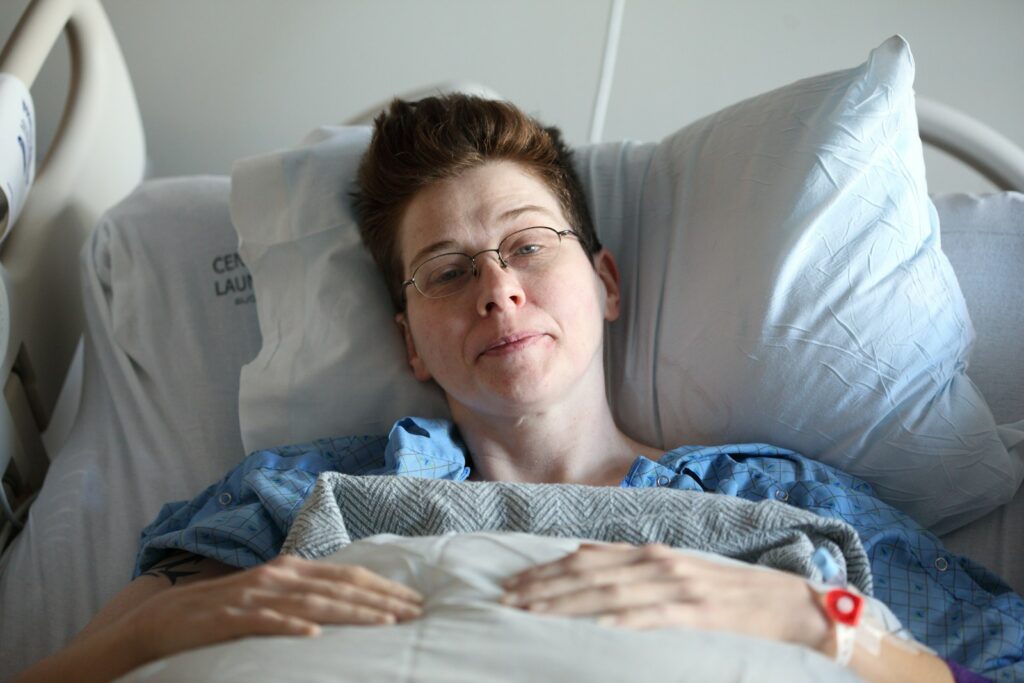
The family received long-awaited medical confirmation that a compatible donor heart had been found. The hospital team moved quickly to prepare the child and family for transplant surgery that night.
Waiting Eight Months for a Miracle Heart
They spent eight months on the transplant list, living between hospital rooms and home with frequent clinic visits. The child underwent regular imaging, bloodwork, and medication adjustments while the care team monitored for signs of worsening heart failure.
During that time the family tracked organ offers, spoke daily with transplant coordinators, and kept a packed bag ready for immediate departure. Financial paperwork, insurance approvals, and arranging care for siblings added to the emotional strain.
Support from nurses and social workers helped manage logistics and gave the parents practical next steps. Small rituals — birthday cake in the hospital room, a father-daughter dance in bed — became anchors during the long wait.
The Moment Everything Changed
A transplant coordinator entered the room and delivered the news in a quiet, urgent tone: a donor heart had been identified. The surgeon and anesthesiology team arrived within hours to assess readiness and explain timing.
Doctors updated the family on expected operating-room arrival time and postoperative plan, including possible ICU stay length and rejection monitoring. The mother was allowed to tell her daughter the news herself, capturing the pure shock and relief on video.
The child reacted with disbelief followed by excitement, then calm as nurses prepared her for transport. That immediate pivot from waiting to action reshaped days of uncertainty into focused surgical preparation.
Sharing the Excitement with Family and Friends
The mother called close family members first, asking them to hold the fort and pray while keeping hospital visits brief. Friends and relatives organized meal trains and childcare for other children, easing daily burdens.
Hospital staff coordinated a brief in-room announcement for extended family, allowing the patient to share the news personally when possible. Online messages and texts poured in; community fundraisers kicked off to cover unforeseen expenses.
The family expressed public gratitude to the donor family and the transplant team, asking for privacy while promising updates. Their posts emphasized thankfulness and a cautious optimism about the surgery ahead.
Heart Transplant Journey: Challenges and Hope
This period combined relentless medical logistics, emotional whiplash, and moments of clear, practical support that kept the family moving forward. They navigated waitlist uncertainty, hospital protocols, medication planning, and the small acts that helped them hold on.
Coping with Uncertainty and Emotional Highs and Lows
They waited eight months on the transplant list, tracking organ offers, lab results, and daily vitals while trying not to let hopes spike with every phone call. Anxiety and relief alternated: a rejected offer could trigger despair, while a viable match brought a sudden, intense rush that required fast decisions and quick hospital arrival.
Nighttime fears and fatigue were common. The daughter experienced frequent mood swings from meds and stress; the family scheduled short, structured check-ins to name feelings and make immediate plans. They also learned to ask clinicians specific questions about expected recovery timelines, likely side effects, and contingency plans so uncertainty felt more manageable.
Support Systems That Made a Difference
Practical help mattered as much as emotional support. A neighbor drove the family to pre-op appointments, a friend stocked the kitchen with easy meals, and a transplant coordinator organized insurance preauthorizations and timing for immunosuppressant shipments. Those concrete actions reduced logistical barriers during critical windows.
Clinical relationships proved crucial. The transplant team provided clear discharge criteria, medication schedules, and a direct line for crises, which shortened response times during complications. Peer support—other recipients and an online transplant group—offered candid expectations about recovery, medication side effects, and how to pace activity after surgery.
Looking Ahead to a New Chapter
They planned for life after transplant with specific, actionable steps: a detailed medication calendar, scheduled cardiac rehab sessions, and a home setup to encourage rest and safe mobility. Physical therapy goals focused on gradual increases in walking distance and strength, with target milestones tracked weekly.
They also prepared emotionally: counseling appointments were booked to process survivor’s guilt and the intensity of the waiting period. The family set simple routines—daily medication checks, spaced follow-up labs, and monthly vaccine reviews—to turn uncertainty into predictable, manageable tasks.
Relevant patient perspectives about unexpected challenges and advice for others can be found in a recent qualitative study of transplant recipients, which highlights the need for transparent education and mental health prioritization (https://pubmed.ncbi.nlm.nih.gov/41709683/).
More from Decluttering Mom: