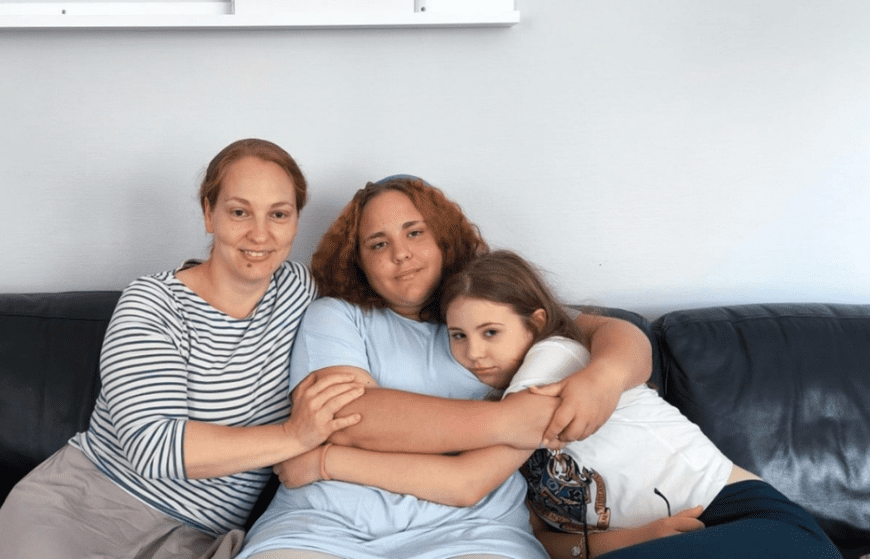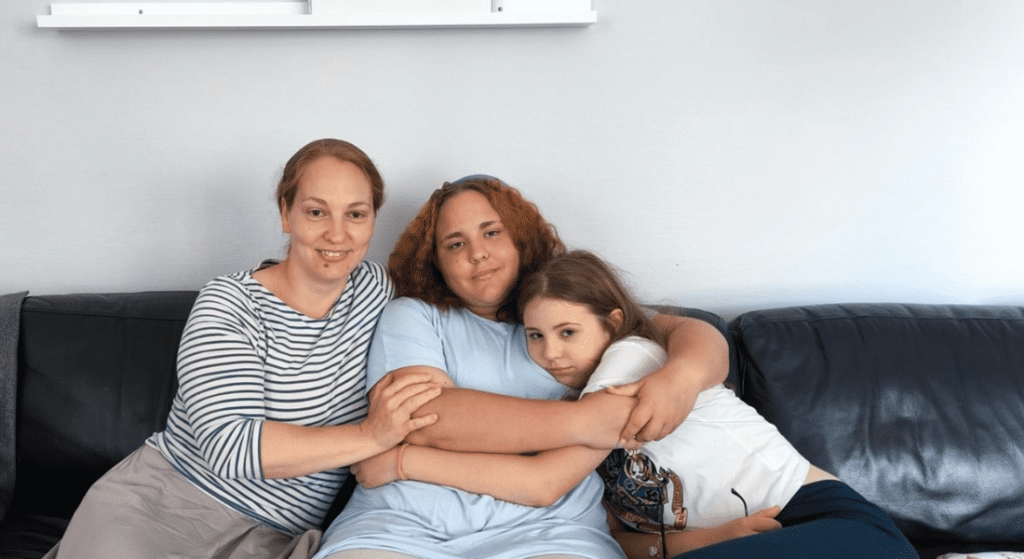
You told a story no one talks about: after kids, choosing breast reduction can relieve physical pain and restore daily freedom. If you’ve felt limited by back and shoulder pain, clothing that never fits, or constant self-consciousness, a breast reduction after motherhood can change how you move, feel, and show up for yourself.
She walks through parenting and life lighter—literally and emotionally—and this post will explain why she chose surgery, what the process entailed, and how everyday life shifted afterward. Expect candid details about recovery, body image adjustments, and the practical benefits that made the choice worth it.

Why I Chose Breast Reduction Surgery After Having Kids
She made the decision after years of daily pain, wardrobe limits, and trying to balance motherhood with her own comfort. The next paragraphs explain how physical symptoms, family conversations, and surgeon selection shaped that choice.
Physical and Emotional Challenges of Large Breasts
She lived with constant back and shoulder pain that began during pregnancy and never fully went away. Heavy breasts pulled her posture forward, left deep bra-strap grooves, and caused frequent neck tension that required weekly stretches and occasional physical therapy.
Beyond the pain, clothing became a practical struggle. Regular shirts didn’t fit; exercise was painful and jogging required multiple sports bras layered for support. That limited her activity with the kids and affected mood and confidence in social settings.
Emotionally, she felt tired of prioritizing concealment over comfort. The idea of fewer limitations — easier shopping, pain-free movement, and better posture — became a clear, measurable benefit rather than a cosmetic wish.
Talking With My Family About Surgery
She prepared for one clear conversation with her partner: explain the daily pain, the recovery timeline, and the expected benefits. She listed specifics — reduced shoulder pain, fewer physical therapy visits, and the ability to play on the floor with the kids without constant strain — to make the trade-offs concrete.
She also discussed childcare during the two-week early recovery and who would handle drop-offs. That practical plan reassured her partner and reduced stress about immediate logistics after surgery.
When talking with older children, she kept explanations simple and factual: a surgery to make mom more comfortable and active. That transparency helped them adapt during short activity limits and set realistic expectations about when she would be mobile again.
Choosing the Right Plastic Surgeon
She prioritized board certification and before-and-after photos showing breast reduction results similar to her body type. Seeing consistent outcomes for patients with heavy breasts and minimal asymmetry gave her confidence.
She asked surgeons targeted questions: which incision pattern they recommended, estimated tissue removal, expected scarring, and likelihood of preserved breastfeeding function. She also requested a clear recovery timeline and pain-control plan.
Practical factors mattered too: office location, hospital privileges, and whether the practice offered virtual follow-ups. After comparing two surgeons’ consult notes and patient reviews, she chose the one who explained risks like scarring and sensory changes clearly and who emphasized relieving shoulder and back pain as a primary goal.
How Breast Reduction Changed My Life
She noticed practical, physical, and emotional changes that shifted daily life. Small adjustments in routine and big improvements in comfort and confidence shaped how she moved, dressed, and slept.
Recovery and Adjusting to a New Body
The immediate postoperative period required planning and help. She arranged one week of home support, prepared microwave-friendly meals, and wore button-front shirts to make dressing easier. Pain was managed with prescribed medication and ice packs; soreness peaked the first 72 hours and eased each week.
Sleeping required an adjustment. Elevated pillows and a soft front-closure bra reduced pressure on incisions and improved rest. Scar care began at three weeks with silicone strips and gentle massage as recommended by her surgeon.
She relearned how clothes fit. Bras and tops that had been impossible before suddenly worked, so she updated undergarments gradually. The physical recovery lasted a few months, but adapting to a smaller chest—balance, posture, and movement—continued subtly for almost a year.
Relief From Chronic Pain and Daily Comfort
Chronic neck and upper-back pain decreased noticeably within days of surgery. She no longer felt the constant shoulder grooves from bra straps, and the tension headaches linked to poor posture became less frequent. Physical therapy prescribed post-op strengthened her upper back and reinforced better posture.
Daily activities became easier. Jogging, yoga, and lifting groceries caused less bounce and strain. She could wear supportive but comfortable bras instead of heavy, reinforced models, which reduced heat and skin irritation under the band.
Small comfort gains added up: standing for long periods at work felt easier, sleep quality improved without shoulder pressure, and she needed fewer pain-relief medications. The functional change in daily comfort was as meaningful as the cosmetic result.
Rediscovering Confidence and Enjoying Life Again
Social activities that she avoided before—swimming, fitted dresses, group fitness classes—returned to the calendar. Buying clothes became fun rather than stressful; shopping trips focused on style instead of concealment. She started choosing outfits with narrower necklines and fabrics that draped properly.
She noticed fewer self-conscious thoughts in conversations and at work. Without the urge to adjust clothing or hide behind layers, she felt more present and engaged. Casual compliments no longer carried the same ambivalence; they felt easier to accept.
This practical confidence translated into risk-taking in other areas: trying new exercise classes, saying yes to outdoor events, and booking a short trip that she had postponed for years. The freedom to participate without constant discomfort reshaped how she spent time with family and friends.
The Impact on My Self-Image and Wellbeing
The surgery affected more than clothing and pain; it changed how she viewed herself. She stopped tying self-worth to a body part that had created limitations. That shift reduced daily anxiety about appearance and shifted mental energy to parenting, work, and hobbies.
Emotional processing included unexpected moments of adjustment. She acknowledged grief for the body she once had and celebrated practical gains in equal measure. Conversations with her surgeon and other patients—like stories on the New Jersey Breast Reduction Center site—helped normalize these feelings and set realistic expectations.
Overall wellbeing improved through better sleep, reduced pain, and fewer constraints on activities. Those concrete changes supported a quieter inner life and more time to focus on family, career goals, and personal projects.
More from Decluttering Mom: