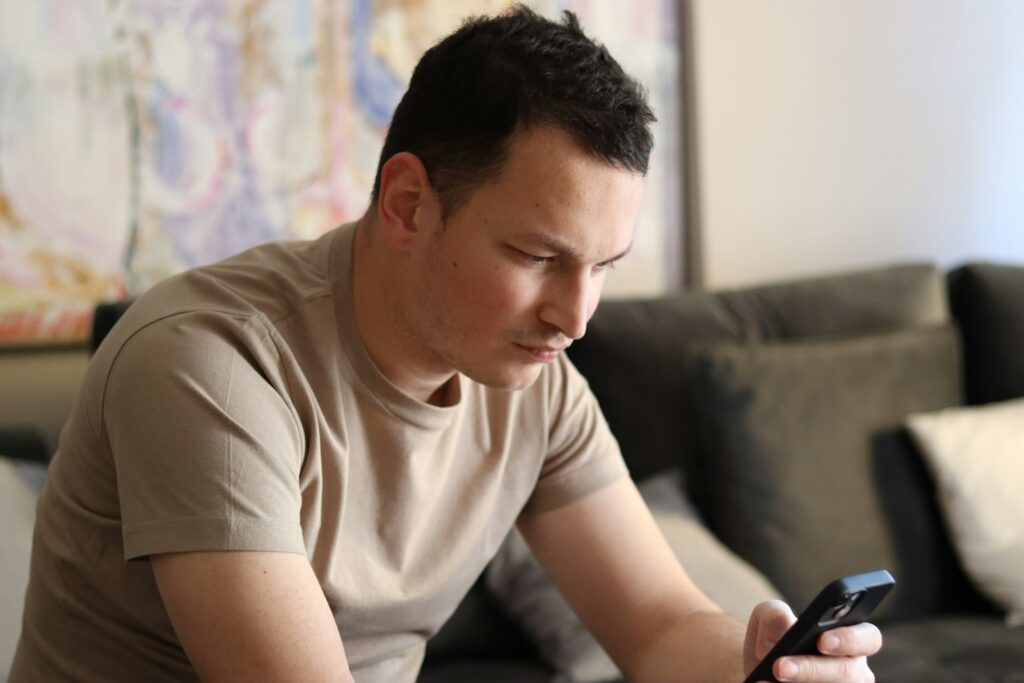
When Jaimee Seitz walked into her daughter Audree’s room and saw the way the phone was positioned in her hand, she realized the screen had become a lifeline to people she had never met. In the weeks since Audree’s death, this mom has been piecing together a story that feels almost unbelievable: a dark online community that did not just romanticize violence, but actively pushed her child toward it. Now she is talking bluntly about what happened, hoping other parents will look at their kids’ screens with fresh eyes.
Her warning is not about a single app or one bad actor. It is about a culture that treats kids’ pain like content, that turns school shooters into celebrities and suicidal ideation into a group project. For Jaimee, and for a growing number of parents who have lost children in similar ways, the message is simple and urgent: if adults do not step into this space, someone else will, and that someone may be a predator, a bully, or an extremist.
The hidden world Audree found online

Jaimee has said that Audree did not stumble into a random chatroom, she was pulled into a tight circle of online extremists who idolize school shooters and trade in graphic fantasies. In her account, these users did not just share memes, they encouraged her daughter to see herself as part of a twisted narrative, a future headline instead of a teenager who still had options. When Jaimee later replayed the scene in that bedroom, including the way Audree’s phone was resting in her hand, she became convinced that the last voices her daughter heard were not family, but people in that extremist space, a detail she has described as the thing that “terrifies” her most and that is documented in reporting on the case.
In a public post that began with the blunt plea “PARENT, PLEASE READ,” Jaimee Seitz laid out what she believes happened: that her daughter was convinced to take her own life by members of an online True Crime Communi who treated real families’ tragedies like a fandom. She has described how these users celebrated mass killers, dissected the lives of school shooters’ parents, and framed suicide as a kind of loyalty test. Another account of the same events notes that Audree’s death followed sustained contact with online extremists who idolize school shooters, and that her mother is now using that loss to warn other parents about how quickly kids can be absorbed into idolizing communities.
Other parents are seeing the same pattern
Jaimee’s story lands so hard because it does not stand alone. In another case, a mom identified simply as a grieving Mom has urged families to cut off nighttime phone use after her young daughter died by suicide, saying the late hours were when the worst conversations unfolded. She has pushed for simple, concrete rules, like charging phones outside bedrooms and treating social media access the way parents treat car keys, something kids earn and can lose. Her point is not that a single notification kills, but that a steady drip of unfiltered messages can wear a child down in ways adults never see.
Other parents have watched predators exploit school technology itself. On the island of Oahu, one mother said online predators connected with her daughter through a school-issued laptop, turning what was supposed to be a homework tool into a direct line into the family home. In her account, the girl was coaxed into interactions that escalated until she was left standing with both hands in the air, a detail that appears in coverage of the Oahu case. In Atlanta, An Atlanta mother told reporters that her teen daughter died from suicide after relentless online bullying, and that she now points families toward the Suicide and Crisis Lifeline and to a local organization helping students in Atlanta so other kids have somewhere to turn before it is too late.
Why parents feel outgunned, and what they can still do
Part of what makes Jaimee’s warning so raw is the sense that parents are being asked to fight a battle on terrain they barely recognize. One documentary filmmaker captured that feeling with a phrase that has stuck: “Children are entering a hellscape,” a description used in a film about grieving parents taking on social media giants over sextortion and abuse on platforms like Snapchat. The project follows families who say their kids were pulled into sexual blackmail and harassment that unfolded entirely on their phones, and it frames the current online environment as a place where children are vastly outmatched by the systems around them, a point underscored in coverage of the Documentary.
Still, parents like Jaimee are not throwing up their hands. They are talking about practical steps that, while imperfect, at least tilt the odds back toward the adults who love these kids. That can look like insisting on phones out of bedrooms at night, spot checking group chats for violent or obsessive content, and treating “True Crime” spaces with the same caution they would bring to a stranger’s car idling outside the house. It also means taking kids seriously when they say a group chat feels toxic, or when they suddenly want to delete an account, and seeing those moments as openings for conversation rather than overreactions. Jaimee Seitz, the Mom in the nighttime phone case, the Oahu parent, and the An Atlanta mother who lost her bullied teen are all, in their own ways, saying the same thing: the internet is not neutral, and if parents do not set the terms of engagement, someone else will.
More from Decluttering Mom: