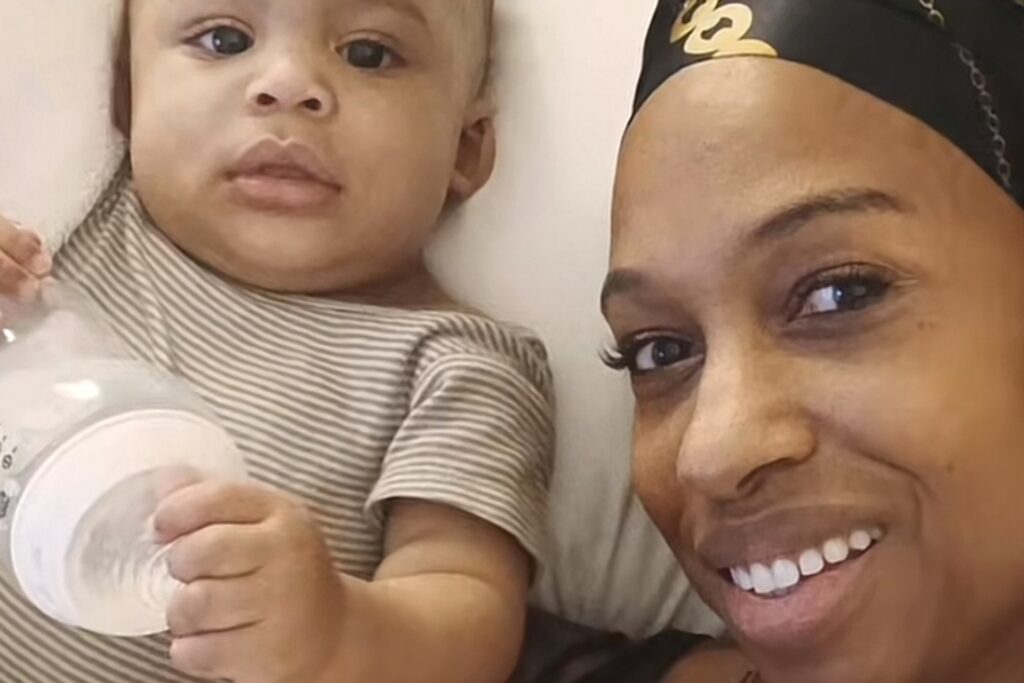
She did what so many people are told will fix everything: she lost hundreds of pounds, traded late-night drive-thru runs for early-morning workouts, and fought for a body that finally matched the version of herself she had always imagined. What has not arrived as promised is the easy, sweeping love story that diet ads and makeover shows quietly sell along with smaller jeans. Instead, she is discovering that the scale can move dramatically while her dating life barely budges.
Her experience is not a glitch in the system. It is a sharp reminder that romantic connection runs on far more than body size, and that the emotional fallout of massive weight loss can leave someone feeling more exposed, not less, when they try to date again.
The weight comes off, the judgment sticks

For women in particular, the culture around dating and bodies sets up a strange bait and switch. From teenage years onward, they are told that thinness is a ticket to desirability, so it makes sense that many assume love will finally show up once they shrink. Yet reporting on what happens after major weight changes shows a more complicated reality. One feature on post-diet dating notes that, unlike women, men often do not brace for heightened objectification after they lose weight, which leaves women carrying the brunt of comments that reduce them to before-and-after photos and a number on the scale, a pattern laid out in detail in Jan. That extra scrutiny can make every first date feel like an evaluation rather than a conversation.
On social media, the story repeats in real time. In one viral clip, a woman celebrates that she lost 200 pounds, only to explain that the comments did not disappear, they just changed shape. Instead of being shamed for taking up space, she is grilled about loose skin, grilled about surgery, grilled about whether she is “too into herself” now. Another creator shares that she is 175 pounds down and still battling loneliness and anger, pointing out that the pain behind the transformation never shows up in the glossy side-by-side grids. For someone like the woman at the center of this story, that means stepping into dating apps with a body that strangers may praise while privately feeling like every match is just another jury panel.
Heartbreak, history and the pressure to be “fixed”
Romantic disappointment often arrives long before the weight comes off, and it can quietly fuel the whole journey. One woman described how a brutal breakup pushed her into the gym, saying she started by simply walking in, feeling both Getting stronger and replaying every insult that had been thrown at her. The fantasy running in the background was familiar: “Maybe if I lose weight, he will regret all of this.” That kind of motivation can produce staggering results on the scale, yet it also ties a person’s sense of worth to someone who already walked away.
Therapists who work with clients after major weight shifts say that the emotional story rarely ends when the last diet milestone is hit. One clinician, profiled in a piece about the emotional side of transformation, describes how old shame and trauma often resurface once the external project is “done,” a pattern highlighted in Emotional Aftermath of. For the woman who has lost hundreds of pounds, that can mean showing up on a date with a body that looks new while carrying a nervous system still wired for rejection, bracing for the moment someone says she is “too much” or “not their type” all over again.
When relationships change instead of magically appearing
Even when someone is already partnered, dramatic weight loss can scramble the dynamics instead of smoothing them out. Researchers who looked at couples where one person lost a significant amount of weight found that communication often improved, but they also documented tension when the partner who slimmed down pushed for more changes than the other person wanted, or when the relationship had quietly relied on shared habits that revolved around food and staying home. Their work, which examined how one partner’s transformation can ripple through a household, is summarized in a report on how Nov relationship patterns shift after weight loss. For someone who is single, that same dynamic can play out as friends or family reacting strangely to their new body, which can sap the energy they have left for dating.
Studies on bariatric surgery echo that sense of upheaval. Research cited by one psychology writer found that What people experienced after surgery included a Freezing the of old routines and a measurable jump in both new relationships and breakups. One summary of the data points out that people who were single before surgery reported a 50% increase in forming romantic partnerships, while those who were married saw a rise in divorce and separation. Another overview, citing work in the According and in the Journal of the, describes how weight loss surgery was associated with both new marriages and exits from relationships that had become toxic. For the woman who has already gone through massive physical change and still feels alone, those numbers can land like a cruel joke: statistically, her odds of meeting someone may have gone up, yet her nights can still end with her scrolling alone.
More from Decluttering Mom: