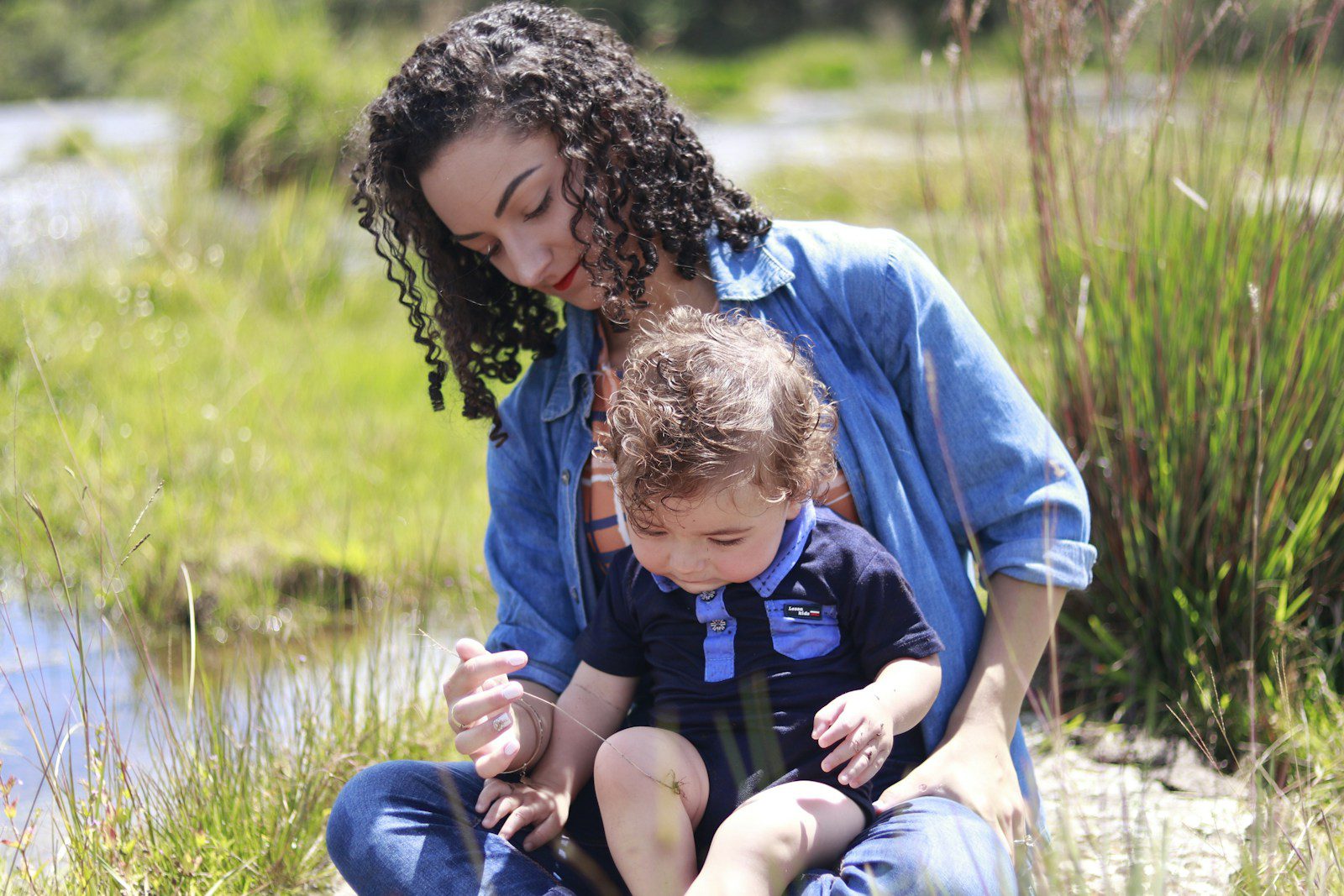
You watch her breathe easier when she stops measuring progress by dramatic milestones and notices small, steady shifts in daily life. Most moms say they finally felt okay when ordinary moments—sleeping through the night, laughing without guilt, or choosing themselves for five minutes—outnumbered the old anxieties.
They share frank stories about that turning point: a hello from a neighbor that didn’t sting, a quiet morning that felt like permission, or a stubborn habit that finally loosened. Expect candid recollections and practical steps showing how ordinary choices add up to a rebuilt life.
The Turning Point: When Moms Start to Feel Okay Again

Many mothers described a specific shift when the weight loosened — a day, a small achievement, or a steady habit that changed daily life. The moments often involved practical steps, quiet realizations, and people who stayed.
Recognizing the Moment of Change
Mothers often pinpointed a concrete event: the first solo grocery run without spiraling anxiety, a child sleeping through the night, or signing divorce papers and feeling calm afterward. These are small, observable milestones that signal a brain can handle routine stress again.
Symptoms that receded at that turning point included fewer panic episodes, more consistent sleep, and clearer thinking. Women noted returning energy for projects, fewer tears triggered by ordinary setbacks, and the ability to plan beyond the next day.
That recognition sometimes came slowly — a week of better mornings — or suddenly, like laughing at a joke that would have previously caused guilt. The key was measurable change in daily functioning rather than a single emotional uplift.
Personal Reflections on Healing
Many mothers described healing as non-linear: setbacks happened, but the general trend moved upward. One mother wrote about listing small wins on her phone; another kept a jar of notes to track good days. These tactics made progress visible.
They also mentioned mental shifts: accepting imperfection, stopping comparisons, and separating identity from crisis. Those cognitive changes reduced self-blame and allowed risk-taking, like applying for jobs or dating again.
Practical routines helped, too. Regular walks, night routines for kids, and a morning coffee ritual anchored days. Small, repeatable actions gave a sense of control and slowly rebuilt confidence.
Support Systems That Made a Difference
Specific supports mattered more than vague encouragement. Mothers named therapists with trauma training, supportive ex-partners who handled childcare, and friends who visited with takeaway dinners. Each support solved a distinct problem: emotional processing, logistical relief, and loneliness.
Community resources also helped: affordable childcare programs, peer support groups, and legal clinics. These reduced immediate pressures and freed mental space for long-term planning.
Technology played a role — shared calendars, grocery apps, and teletherapy made help consistent. Reliable, concrete supports turned fragile coping into sustainable routines and accelerated the feeling of being “okay” again.
Shared Stories: Honest Answers From Moms Who Have Been There
These mothers describe specific moments, supportive relationships, and internal shifts that marked the turning points in their healing. They name ordinary actions and explicit people that helped them move from survival to a steadier sense of self.
Breakthroughs During Everyday Life
One mom describes the first morning she woke without an adrenaline rush: she packed lunches, drank coffee on the porch, and noticed sunlight on the counter. That small stretch of calm felt like permission to breathe. Another found clarity during a late-night diaper change when a child’s laugh cut through a panic spiral and she realized joy could coexist with grief.
Practical routines mattered. A third mother credits a weekly walk with a stopwatch and a goal of five minutes of uninterrupted thought; incrementally she extended it to twenty and noticed quieter mornings. These ordinary acts—consistent sleep, a single hobby resumed, predictable mealtimes—became measurable anchors.
The Power of Community and Connection
Mothers report that specific relationships shifted their trajectory. One joined a neighborhood playgroup and got a ride-share when childcare fell through; the logistics reduced stress and created steady friendships. Another found a therapist through a workplace benefits portal and received coping tools she could use between kids’ activities.
Peer examples helped too. A mom who ran a single-threaded online group shared checklists for school forms; others reused them and felt less isolated. Practical favors—meal trains after surgery, someone to pick up a sick child—proved as meaningful as emotional support. Those concrete acts of help moved many from overwhelmed to manageable.
Overcoming Self-Doubt and Fear
Several mothers pinpointed the moment they stopped apologizing for asking for help. One remembers emailing a boss for flexible hours and receiving a yes; that validation reframed her professional identity. Another began journaling specific wins—paid bills, a completed homework project—and tracked them in a spreadsheet to counter catastrophic thinking.
Cognitive shifts mattered: naming fears aloud in a support group reduced their power. A mother who rehearsed one-line responses to intrusive comments felt less defensive in public. Incremental exposures—attending a school meeting, going on a solo grocery run—built confidence through repeatable, low-stakes successes.
Rebuilding From Scratch: How Moms Navigated Their Fresh Start
Many mothers described reclaiming who they were and building practical daily systems that actually work for kids, finances, and emotional recovery. They named small, concrete choices—therapy, a side gig, new boundaries—that changed how days felt.
Rediscovering Identity and Purpose
She began by listing roles she liked and dropped what drained her energy. Weeks of solo walks, journaling for 10 minutes each morning, and one night-a-week without childcare helped her hear her own preferences again. Some returned to education or part-time work; others launched small businesses selling crafts or tutoring.
Moms used specific prompts to explore identity: what brings energy for 30 minutes, which friendships feel reciprocal, and which household tasks could be outsourced or delegated. Therapy and peer groups helped translate feelings into plans—retraining for a new career, enrolling in one class, or setting a boundary around emotional labor at home.
Practical steps included updating resumes, creating a professional LinkedIn headline, and saving a $1,000 emergency fund. These acts reinforced competence and purpose faster than vague affirmations did.
Embracing New Routines and Habits
She rebuilt weekdays around reliable anchors: a morning routine for herself, school-run rhythms, and a nightly 15-minute family check-in. Anchors reduced decision fatigue and made space for small wins, like a completed to-do list or a 20-minute exercise session three times a week.
Moms used simple tools: a shared digital calendar, labeled bins for school gear, and meal-prep on Sundays. They experimented for two weeks, kept what worked, and tossed what didn’t. Nighttime rituals—device-off at 9 p.m., quick gratitude round—improved sleep and emotional reset.
Financial habits mattered too: automatic transfers to savings, a weekly 30-minute budget review, and negotiating cheaper service plans. Concrete habits created stability, so unpredictability felt manageable rather than overwhelming.
More from Decluttering Mom: