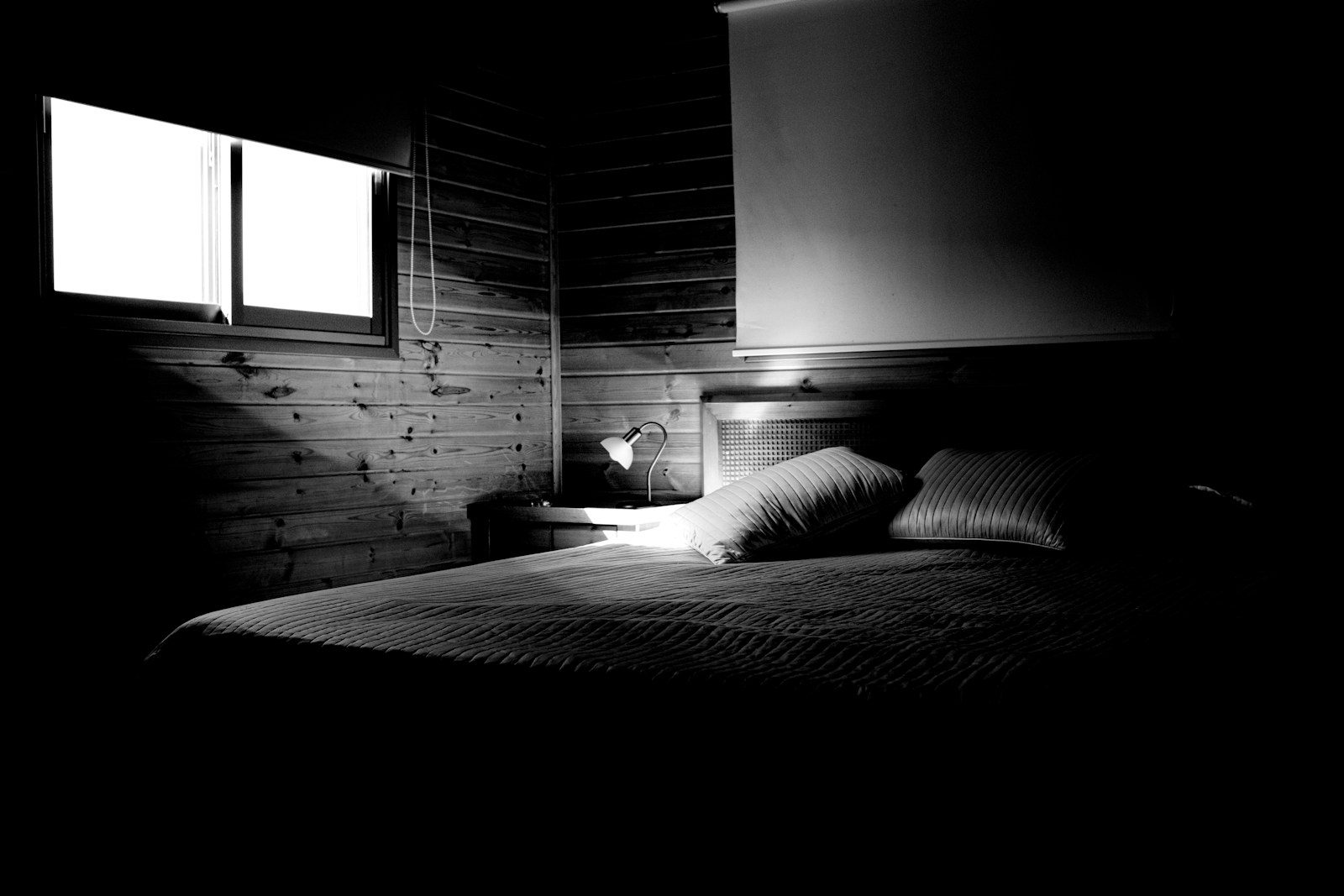
For years, a closed bedroom door in an Atlanta home marked the line between past and present. Inside was the carefully preserved world of a girl who had died young, a space her mother could not yet bear to disturb. When she finally stepped across that threshold to pack it up, what she discovered was not only a physical object, but a message that felt like permission to keep living.
The story of Donna Cochran and her late daughter Ansley is, at its heart, about how love can keep speaking long after a child is gone. It is also about how one small surprise in a quiet room helped a grieving family turn private heartbreak into a public promise to help other children and parents facing the same nightmare.
The room that stayed frozen in time
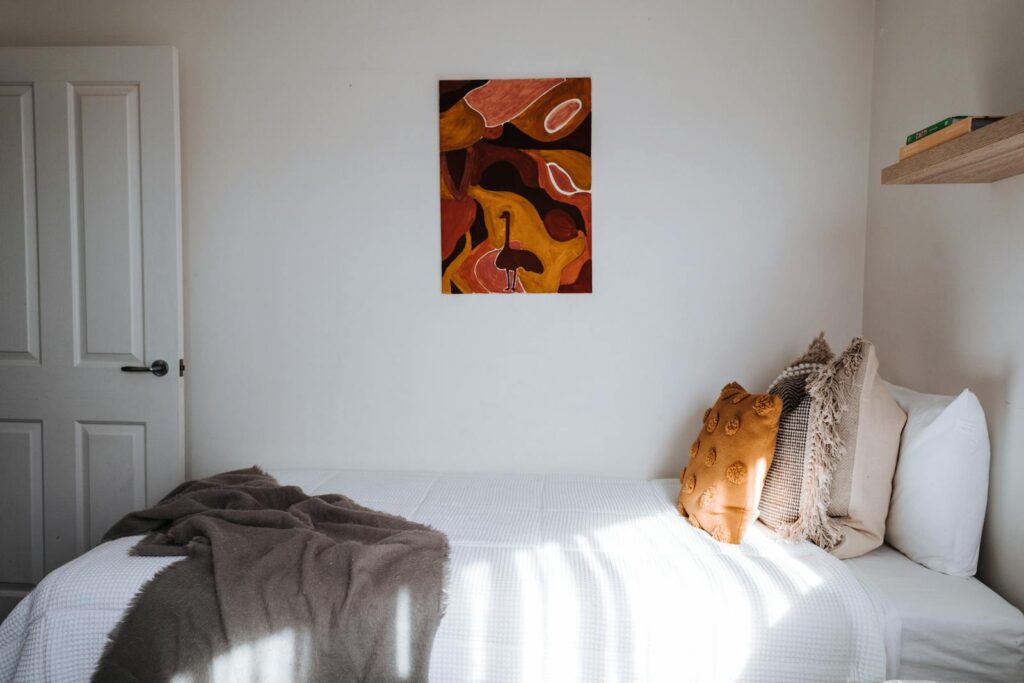
Donna Cochran had methodically boxed up nearly every room in her house in Atlanta, Georgia, but one door remained closed. The room belonged to her daughter Ansley, who had died after a battle with cancer, and leaving it untouched became its own form of ritual. Clothes stayed in drawers, decorations on the walls, and the bed just as she had left it, as if preserving the space might somehow preserve the girl who once filled it with noise and plans.
Grief often moves at a pace that defies outside expectations, and for Cochran, years passed before she could even consider sorting through her child’s belongings. Friends and relatives might have wondered when she would be ready, but only she knew how much that room still felt like a conversation with her daughter. The decision to finally pack it up came slowly, and when she did begin, she recorded the moment in a simple video that would later spread far beyond her home.
A tiny girl with an outsized presence
To understand why that room mattered so much, it helps to know who Ansley was. Her parents describe her as small in stature but enormous in spirit, a child who weighed just 80 pounds but filled every space she entered. Even as cancer reshaped her childhood, she remained the kind of kid who made nurses laugh and insisted on planning for a future she might not see. Her mother, Cochran, has recalled how that contrast between her size and her presence made her unforgettable.
Those memories were layered into every object in the bedroom, from the clothes that no longer fit anyone else to the mementos of hospital stays and holidays. When Cochran finally began to sort through the drawers and shelves, she was not just handling fabric and paper. She was touching the daily life of a girl who, in her parents’ words, still felt close enough to talk to, a sense that would only deepen once an unexpected discovery surfaced in the middle of the packing.
The book on the bed and a message from Ansley
As Cochran worked through the room, one item stopped her cold: a children’s book titled “Mommy I Love You,” resting where Ansley had left it. The story, which is sold with an enchanting plush heart on the cover, centers on the bond between a parent and child, and in that moment it felt less like a random object and more like a deliberate reminder. For a mother who had spent years avoiding this space, the words on the cover read like a sentence addressed directly to her.
Cochran later described the discovery as a kind of blessing, a sign that her daughter was still finding ways to speak. She said that when she saw the book, she felt that blessing”, a way of telling her parents that it was all right to move forward and even to imagine joy again. For a family that had built so much of its identity around caring for a sick child, that sense of permission mattered as much as any physical keepsake.
From private grief to a public mission
Long before the video of the room began to circulate, the loss of Ansley had already reshaped the Cochrans’ lives. In the wake of her death, they created a foundation in her name, starting small and practical. At first, The Cochrans sold T-shirts, pumpkins and Christmas trees, raising money however they could to support families facing pediatric cancer. The work was grassroots and hands-on, the kind of effort that required weekends in parking lots and long evenings filling orders at the kitchen table.
Over time, that modest start grew into a more established operation, with the foundation helping cover costs and provide comfort for children in treatment and their parents. The decision to finally clear out Ansley’s room did not signal an end to that mission. Instead, it marked a shift in how the family carried their daughter with them, from a room that stayed frozen in their Atlanta home to a legacy that moved outward into hospitals and communities.
A simple video, a shared language of loss
When Cochran decided to document the day she finally opened the door and began packing, she did not set out to reach strangers. The video was simple and unpolished, a mother narrating her way through a deeply personal task. Yet once she posted it, the clip began to spread, shared by people who recognized their own closed doors and untouched rooms in the images from that bedroom.
Viewers were drawn not only to the heartbreak but to the sense of quiet courage in each step, from folding clothes to pausing over the “Mommy I Love You” book. Many parents who had lost children saw in Cochran’s story a reflection of their own timelines, which rarely match the tidy arcs imagined by others. As more people watched, the details of her life in Atlanta, Georgia became part of a broader, shared language of mourning and resilience.
More from Decluttering Mom: