For generations, those sweet, wide-eyed porcelain children smiling out from a china cabinet have been a familiar sight in many grandmothers’ homes. Hummel figurines—once treasured collectibles gifted for milestones, holidays, or just because—have a deeper story than you might think. While some gather dust today, others are surprisingly valuable. In this article, we’ll uncover the origins of these iconic figurines, why they were cherished, how much they’re worth today, and what you should do if you find a cabinet full of them in your family home.
What Are Hummel Figurines?
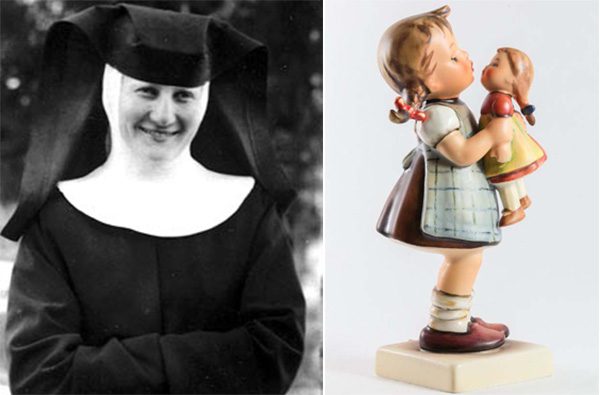
Hummel figurines are porcelain collectibles based on the drawings of German artist Sister Maria Innocentia Hummel. First produced by W. Goebel Porzellanfabrik in Germany in the 1930s, the figurines depict children in everyday scenes—playing, praying, or holding flowers—styled with a soft, charming innocence. These hand-painted pieces became especially popular after World War II, when American soldiers stationed in Germany brought them back as gifts. Learn more at Collectors Weekly.
Why Grandma Collected Them
Hummel figurines were more than decor—they were tokens of love, tradition, and even investment. Many were gifts for baptisms, First Communions, weddings, or birthdays. Others were picked up one at a time as part of a lifelong collection. In the 1970s and 1980s, Hummels were heavily marketed in the U.S. as heirloom-quality collectibles, with some people even buying them as financial investments. For grandmothers across America, these figurines represented family, faith, and the passing down of meaningful treasures.
What They’re Worth Today
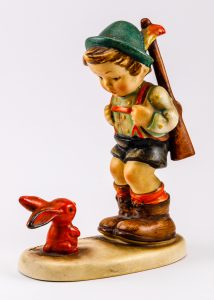
While not all Hummel figurines are worth a fortune, some can command impressive prices. Common pieces may only sell for $10–$50, especially from overproduced decades. However, rare models—like those retired early, made before 1949, or with production errors—can sell for $500–$2,000. One example: the “Adventure Bound” figurine, depicting seven boys on a journey, can sell for over $1,500 in mint condition. Check eBay’s sold listings for current values.
Popular Styles or Models Collectors Look For
- Adventure Bound (#347): One of the most valuable and largest Hummels, showing boys on a mission.
- Ring Around the Rosie (#348): A circular figurine of girls dancing—popular and pricey.
- Apple Tree Boy & Girl (#142 & #141): Classic, early figures often seen as iconic Hummel pieces.
- Goebel TMK-1 “Crown Mark” pieces: These earliest Hummels (1935–1949) carry the most collector value.
- Nativity Sets: These multi-figurine sets, especially complete and early versions, can be worth hundreds to thousands.
How To Identify Authentic Hummels
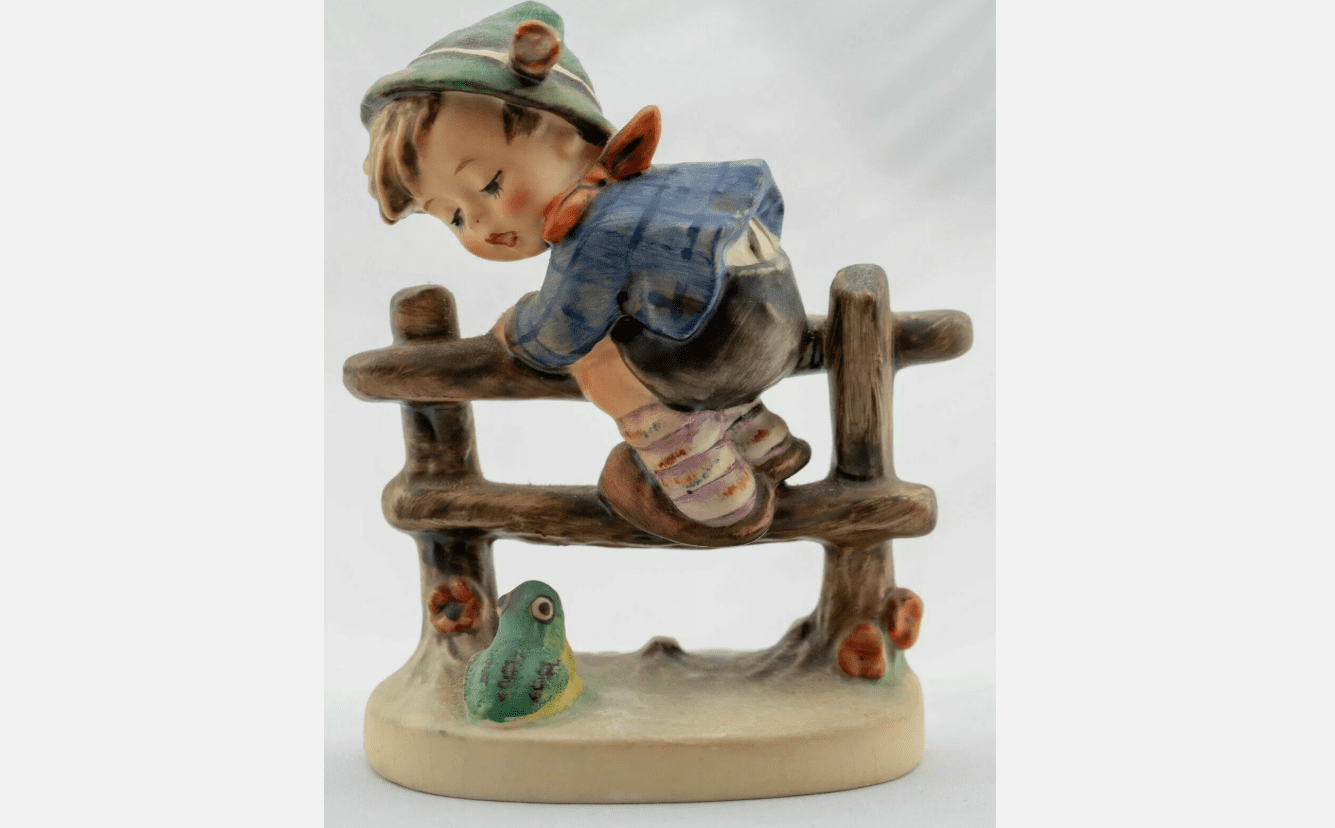
Genuine Hummel figurines always have a trademark on the base, including the “Goebel” name and a logo, which changed over the years. Older marks—like the TMK-1 “Crown Mark” or TMK-2 “Full Bee”—indicate earlier, more valuable pieces. Reproductions or “Hummel-style” figurines often lack the fine detailing and official marks. Refer to this official guide to Hummel trademarks for identification help.
Where To Find or Sell Them
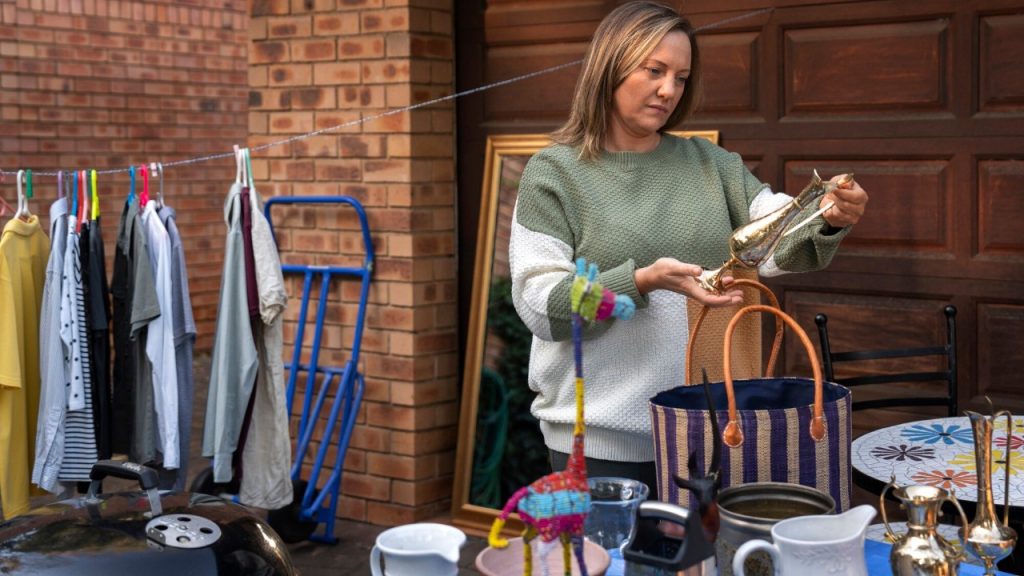
If you’ve inherited a cabinet full of figurines, start by checking online resale platforms like eBay, Ruby Lane, and Etsy to gauge interest and pricing. Antique dealers and consignment shops may also buy Hummels, though prices may be lower after commission. Estate sales and thrift stores are still great places to spot them unexpectedly. Be cautious of sellers overpricing common pieces—check sold listings rather than asking prices.
Caring for Your Hummel Collection
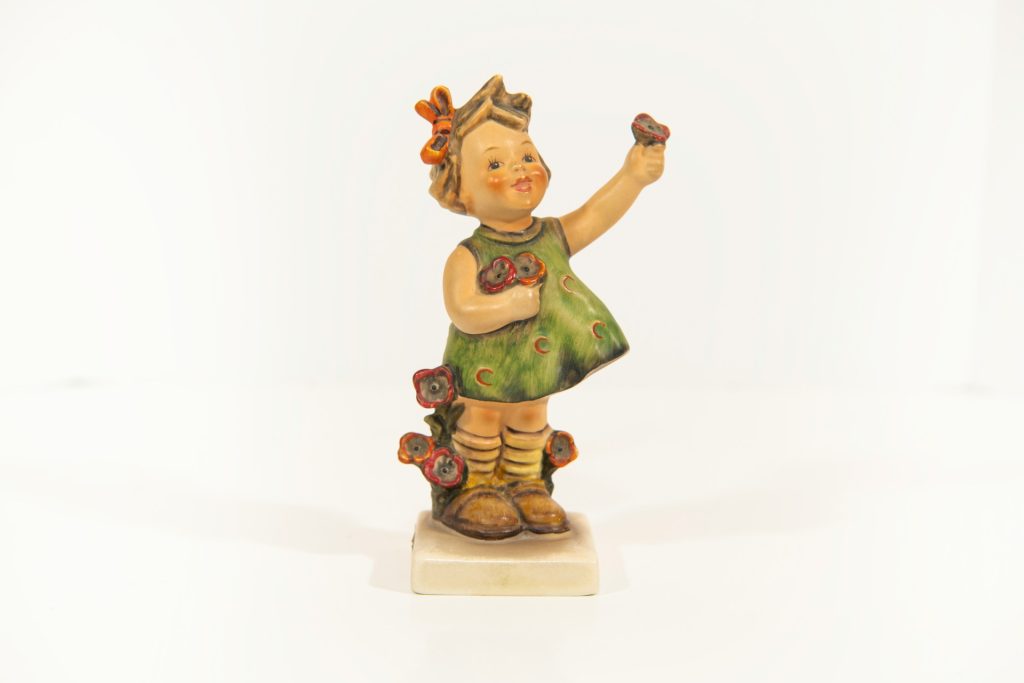
Hummels are fragile and should be handled with care. Dust them regularly with a soft brush or dry microfiber cloth. Avoid placing them in direct sunlight, which can fade the paint, and store them in enclosed cabinets to prevent accidental chips. Never wash them with abrasive cleaners or submerge them in water—gentle cleaning preserves value.
Should You Sell or Hold Onto Them?
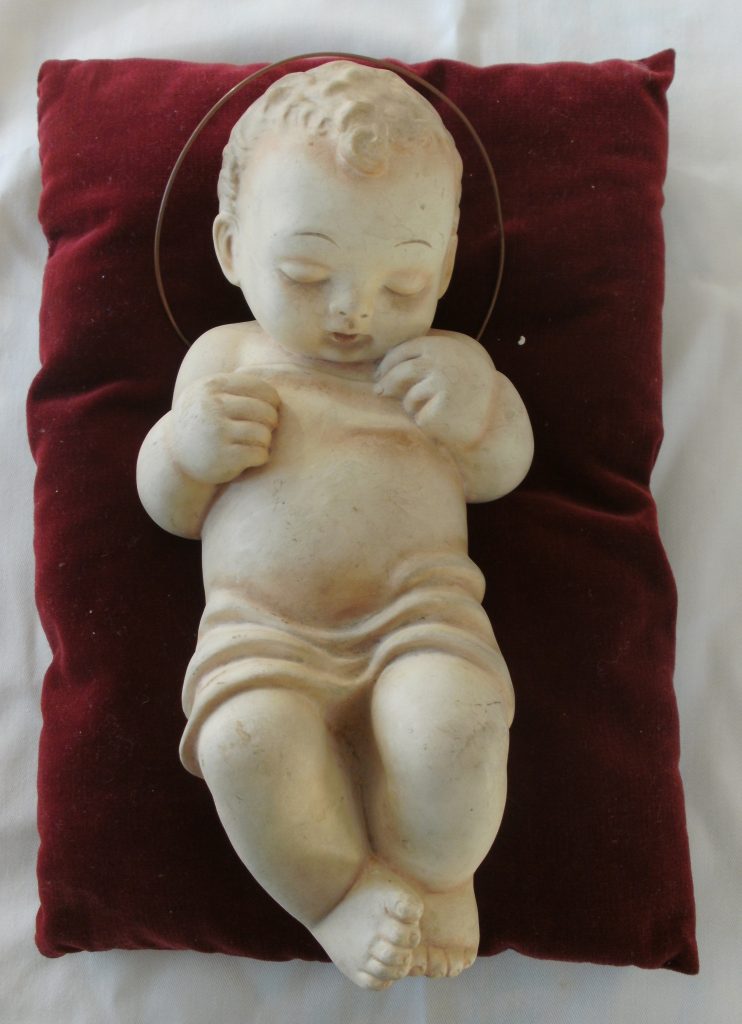
If you own early pieces or rare models, it may be worth getting them appraised and selling now, while the market still holds interest. However, for many families, the figurines carry deep sentimental value. Even if prices have softened compared to the 1980s boom, Hummels still make meaningful heirlooms or decorative accents in vintage or faith-inspired home décor. Consider keeping a few special pieces even if you sell the rest.
The Future of Hummel Figurine Collecting
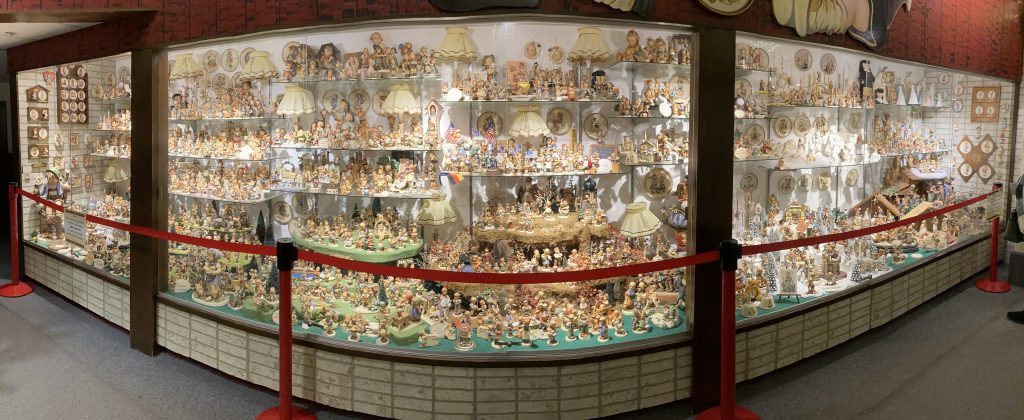
The market has cooled from its heyday, but there’s a steady niche of collectors, especially in Europe and among vintage enthusiasts. As fewer people own full sets and more collections come onto the market from estate sales, prices may fluctuate—but high-quality and rare pieces will likely hold their value. If younger generations rediscover Hummels for their charm and history, demand could grow again.
Grandma’s china cabinet might have seemed like just another piece of furniture, but those tiny figurines tell stories—of milestones, faith, and love passed down through generations. While not every Hummel is worth a fortune, each one holds a piece of history. Whether you’re selling or simply remembering, there’s real value in the care and sentiment behind every porcelain smile.