


I’ll be honest—nothing dates a room faster than the artwork on the walls. You could have brand-new furniture, a fresh coat of paint, and the perfect lighting, but if your art screams “last decade,” the whole space will feel tired. As we head into 2026, designers are calling out a few styles that instantly give away a room’s age, and some of them might surprise you.
So if you’re updating your home or just wondering why your living room feels a little off, it might be time to take a closer look at what’s hanging on your walls. Here are 9 artwork styles designers say will instantly age a room in 2026—and why you’ll want to rethink them.
1. Oversized Pop Art

Pop Art has always been a bold and vibrant choice for decor. However, in 2025, designers are moving away from oversized Pop Art pieces. These works, while eye-catching, can overwhelm a room and make it feel cluttered and chaotic. The trend is shifting towards subtler, more minimalist art that complements rather than dominates a room.
Instead of oversized Pop Art, designers are recommending smaller pieces that add a pop of color without overpowering the space. It’s all about balance and harmony – creating an environment where the artwork and the room’s design elements work together rather than compete for attention.
2. Abstract Expressionism

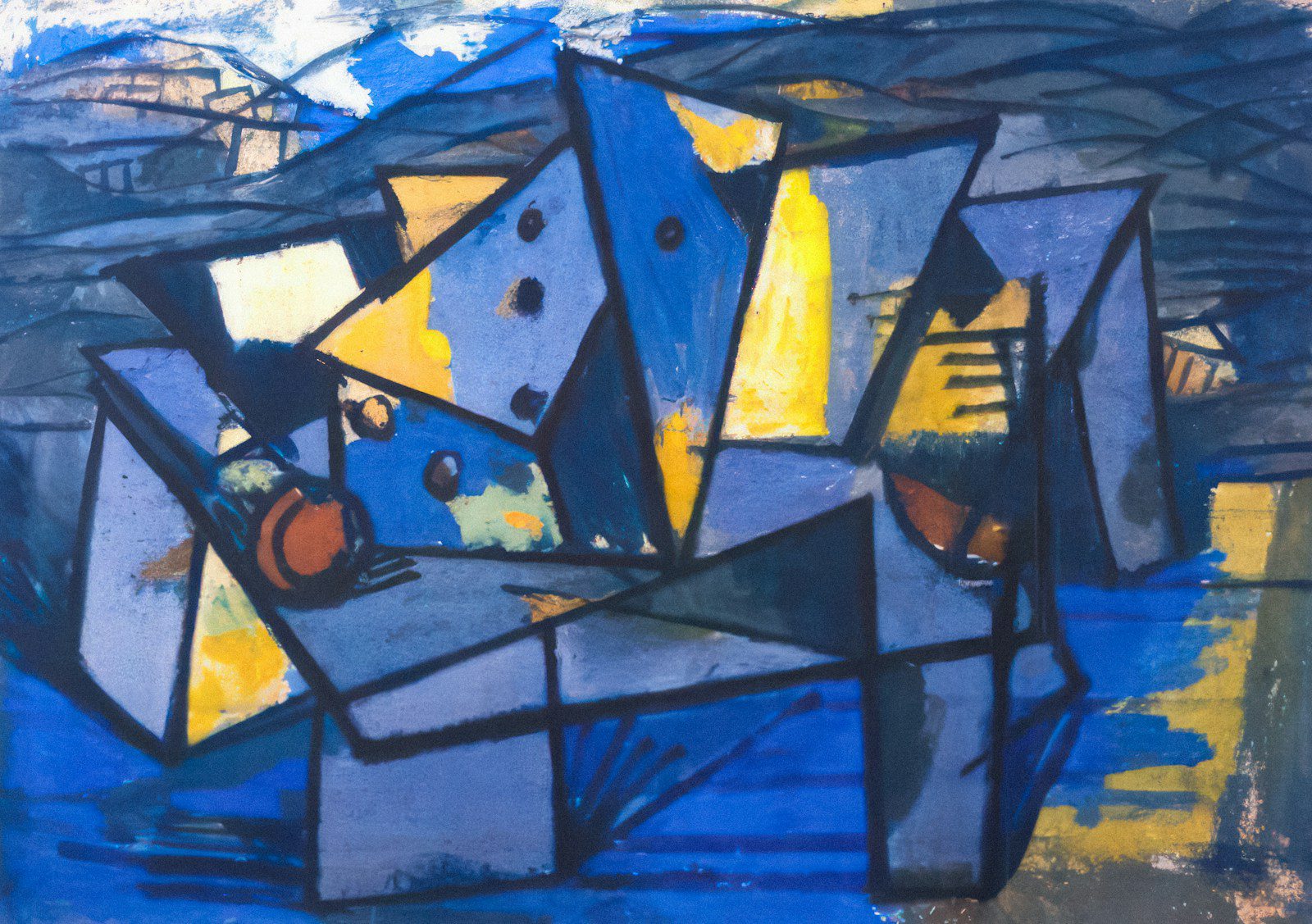
While Abstract Expressionism has been a staple in many homes for years, designers in 2025 are moving away from this style. These pieces, with their bold colors and dramatic brushstrokes, can often come off as too intense for a modern, relaxed living space. The trend is moving towards art that evokes peace and tranquility, with softer colors and gentler lines.
Instead of Abstract Expressionism, consider incorporating artwork that features soothing hues and simple, clean lines. Watercolor landscapes, minimalist line drawings, or even monochromatic pieces can offer a more modern, calming aesthetic.
3. Gallery Walls

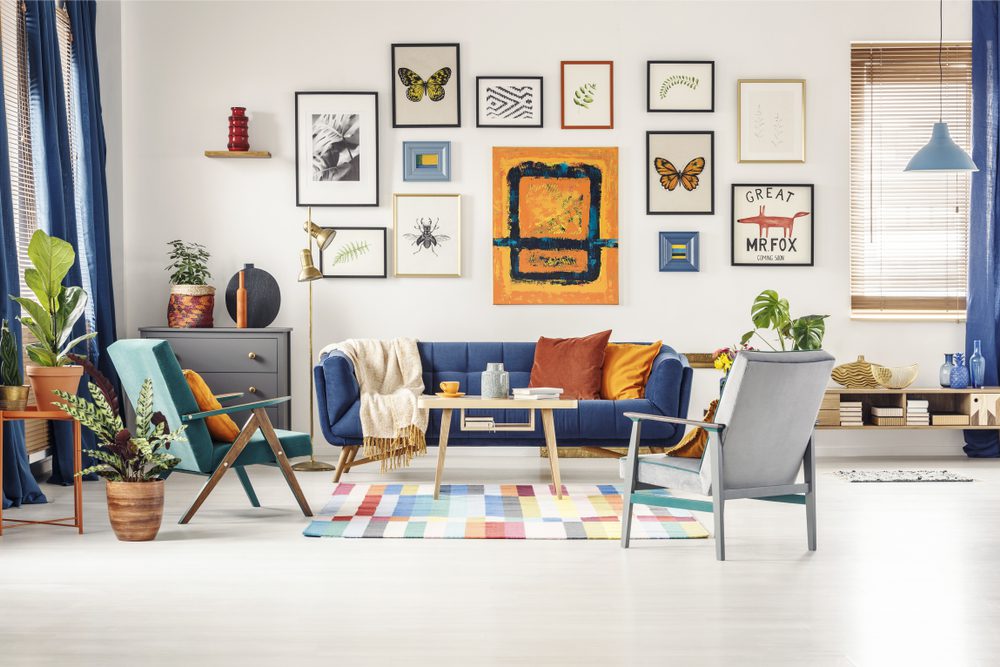
Gallery walls, once a stylish way to showcase a collection of art, are falling out of favor in 2025. These displays can often feel cluttered and overwhelming, particularly in smaller spaces. Designers are now recommending fewer, larger pieces of art to create a more balanced and harmonious aesthetic.
Instead of a gallery wall, consider choosing one or two larger pieces that really speak to you. These can serve as focal points in your room, drawing the eye without creating visual clutter. Remember, sometimes less is more when it comes to contemporary design.
4. Still Life Paintings

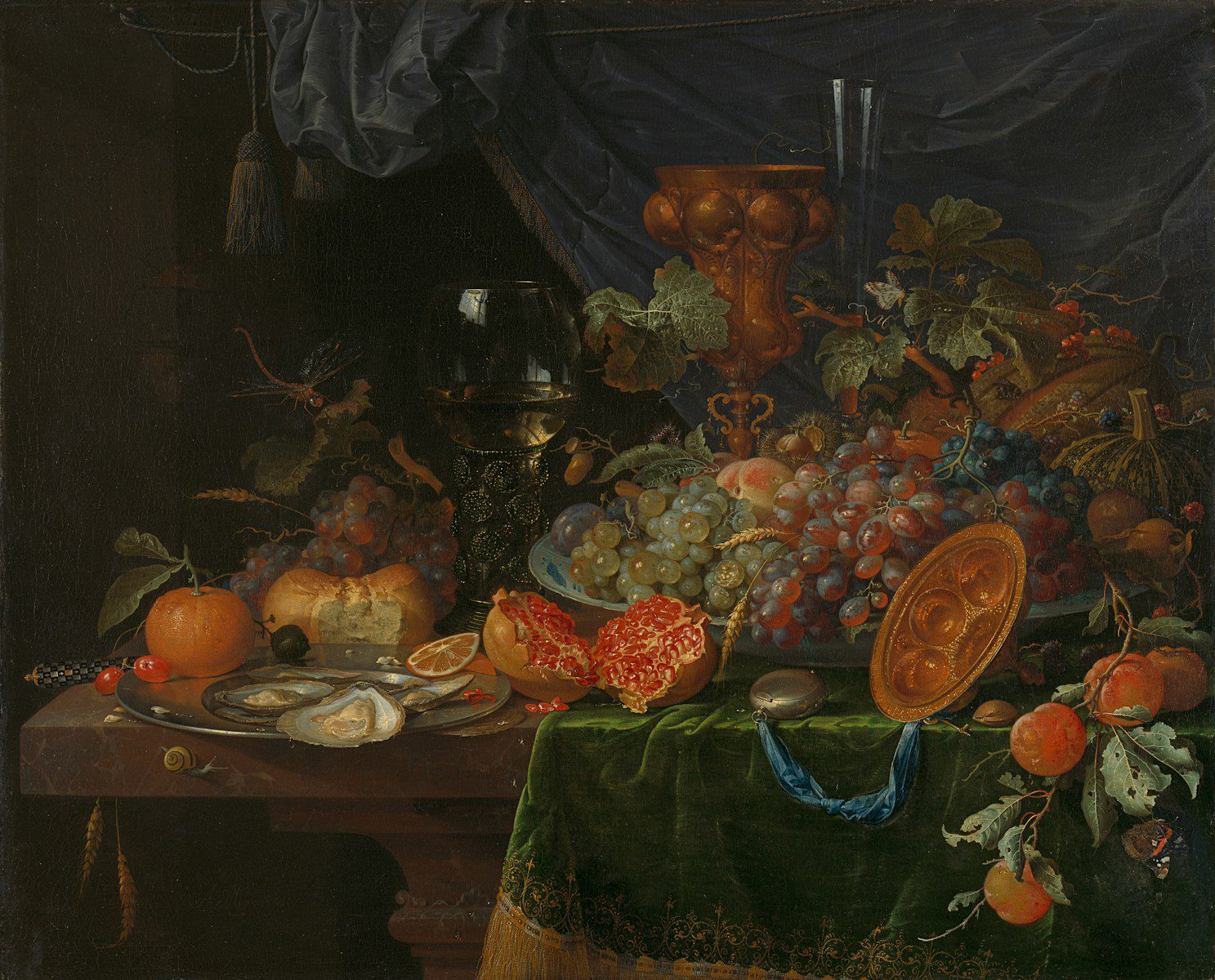
Still life paintings, while classic, are considered outdated by 2025’s design standards. These pieces can often feel old-fashioned, particularly when compared to the more cutting-edge, contemporary art styles that are growing in popularity. Designers are now favoring more abstract, non-representational artwork that encourages the viewer to interpret and engage with the piece in their own way.
Instead of still life paintings, consider incorporating more abstract or conceptual art into your space. These pieces can create a sense of intrigue and mystery, inviting viewers to consider their own interpretations and sparking conversation among your guests.
5. Nostalgic Memorabilia

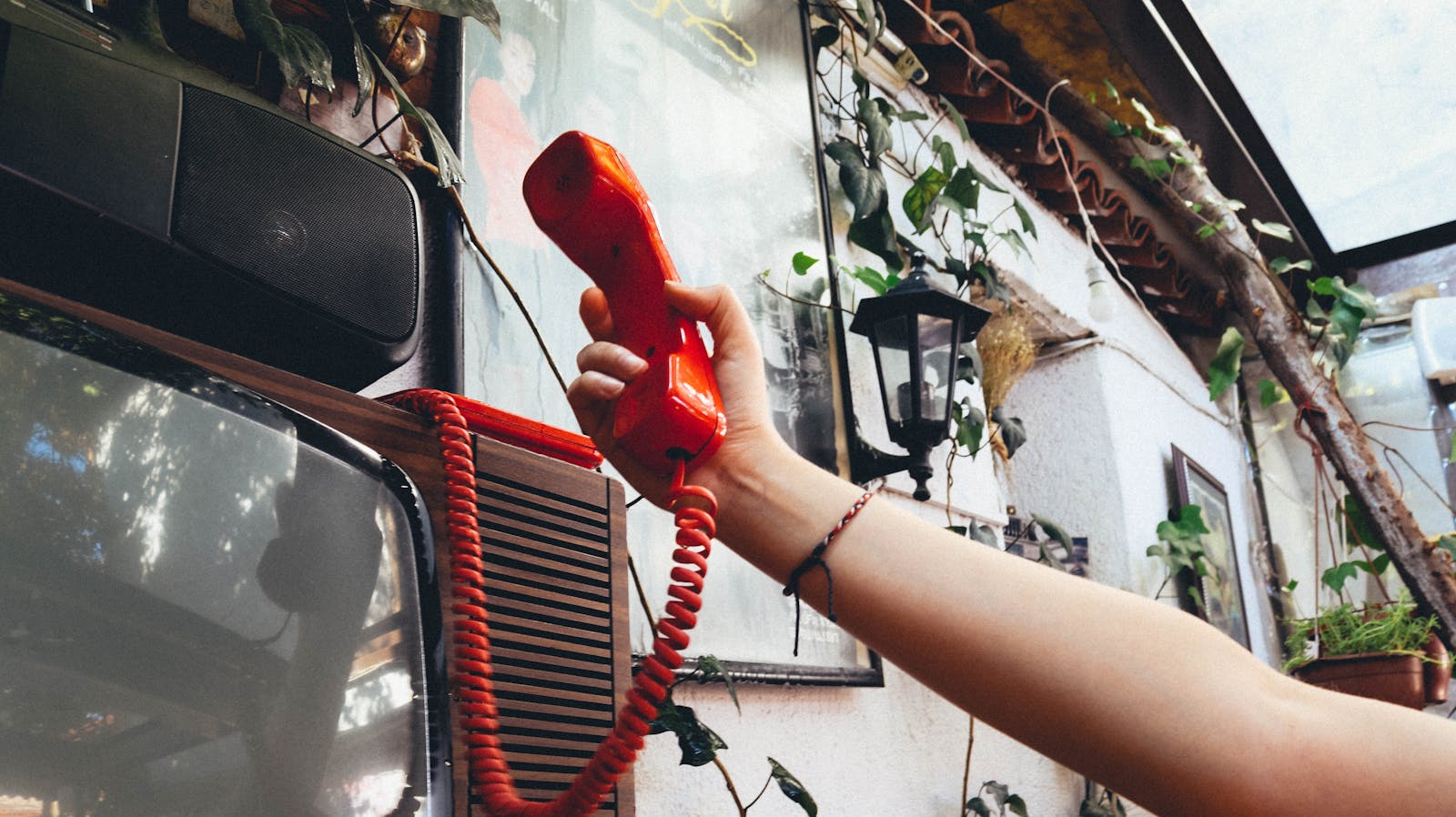
Nostalgic memorabilia, while charming, can quickly date a room according to 2025 design trends. These pieces, which often reference specific periods or pop culture moments, can make a room feel stuck in the past. Designers are moving towards art that feels timeless and universal, rather than anchored to a specific moment in time.
Instead of nostalgic memorabilia, consider choosing artwork that feels timeless. Pieces with a more abstract or minimalist design can adapt to changing styles and trends, ensuring your space feels current and fresh for years to come.
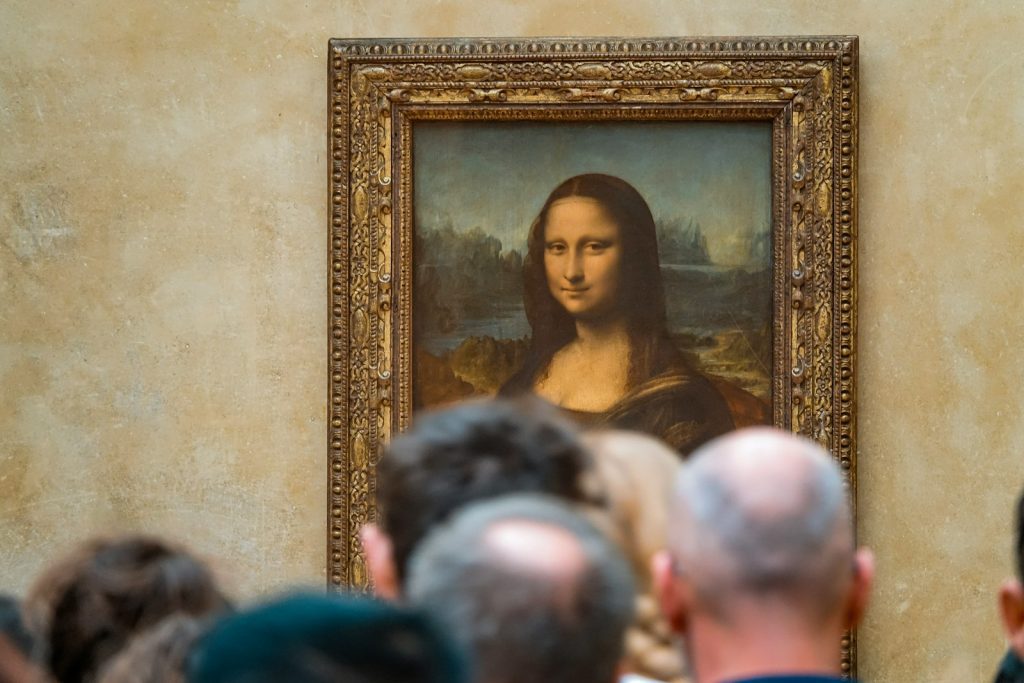
6. Reproductions of Famous Artworks

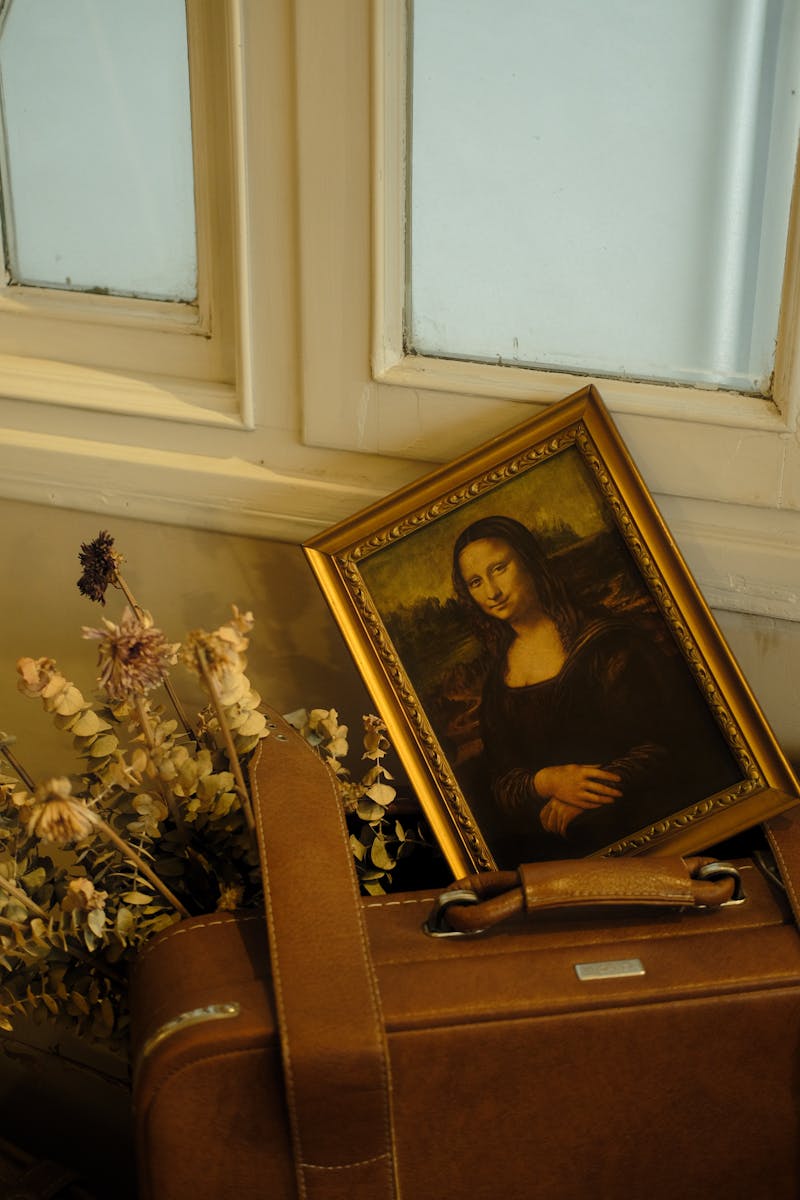
While reproductions of famous artworks can bring a touch of art history into your home, designers in 2025 are moving away from this trend. These pieces can often feel unoriginal and predictable, making it difficult for your space to stand out. Designers are now favoring unique, original artwork that reflects your personal style and taste.
Instead of reproductions, consider supporting local artists or emerging talents. Not only will you be adding a unique piece to your collection, but you’ll also be supporting the arts community. Plus, original artwork can serve as a great conversation starter when you have guests over.
7. Themed Artwork


Themed artwork, while it can bring a sense of cohesion to a room, can quickly become dated according to 2025 design trends. These pieces, which often revolve around a single concept or motif, can feel overly matchy-matchy and predictable. Designers are now recommending a more eclectic mix of artwork that reflects a range of styles and influences.
Instead of themed artwork, consider mixing and matching different styles, mediums, and periods. This can create a more dynamic and interesting visual display, adding depth and character to your space.
8. Photorealistic Paintings


While photorealistic paintings can showcase impressive technical skill, designers in 2025 are moving away from this style. These pieces, with their meticulous detail and precision, can often feel stiff and formal. The trend is shifting towards more impressionistic or abstract styles that allow for a bit of mystery and interpretation.
Instead of photorealistic paintings, consider incorporating artwork that plays with texture, color, and form in a more abstract way. These pieces can bring a sense of movement and energy to a room, making it feel more vibrant and alive.
9. Digital Art Prints

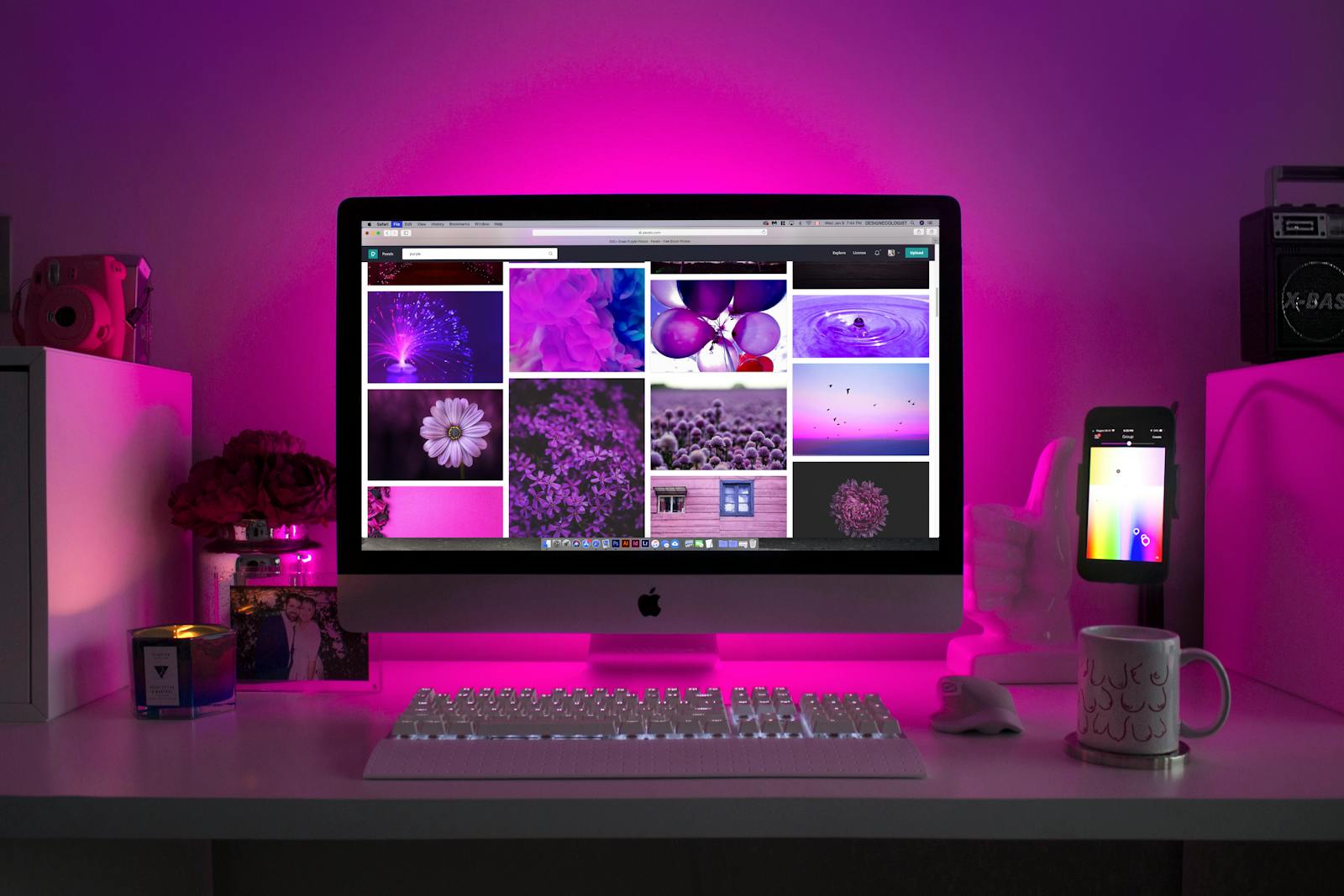
While digital art prints have been a popular choice in recent years due to their affordability and accessibility, designers in 2025 are beginning to favor more tactile, handmade artworks. These pieces, with their physical presence and texture, can add depth and personality to a room, something often lacking in digital prints.
Instead of digital art prints, consider investing in original paintings, drawings, or mixed media pieces. These works can add a touch of luxury and sophistication to your space, making it feel more curated and personal.