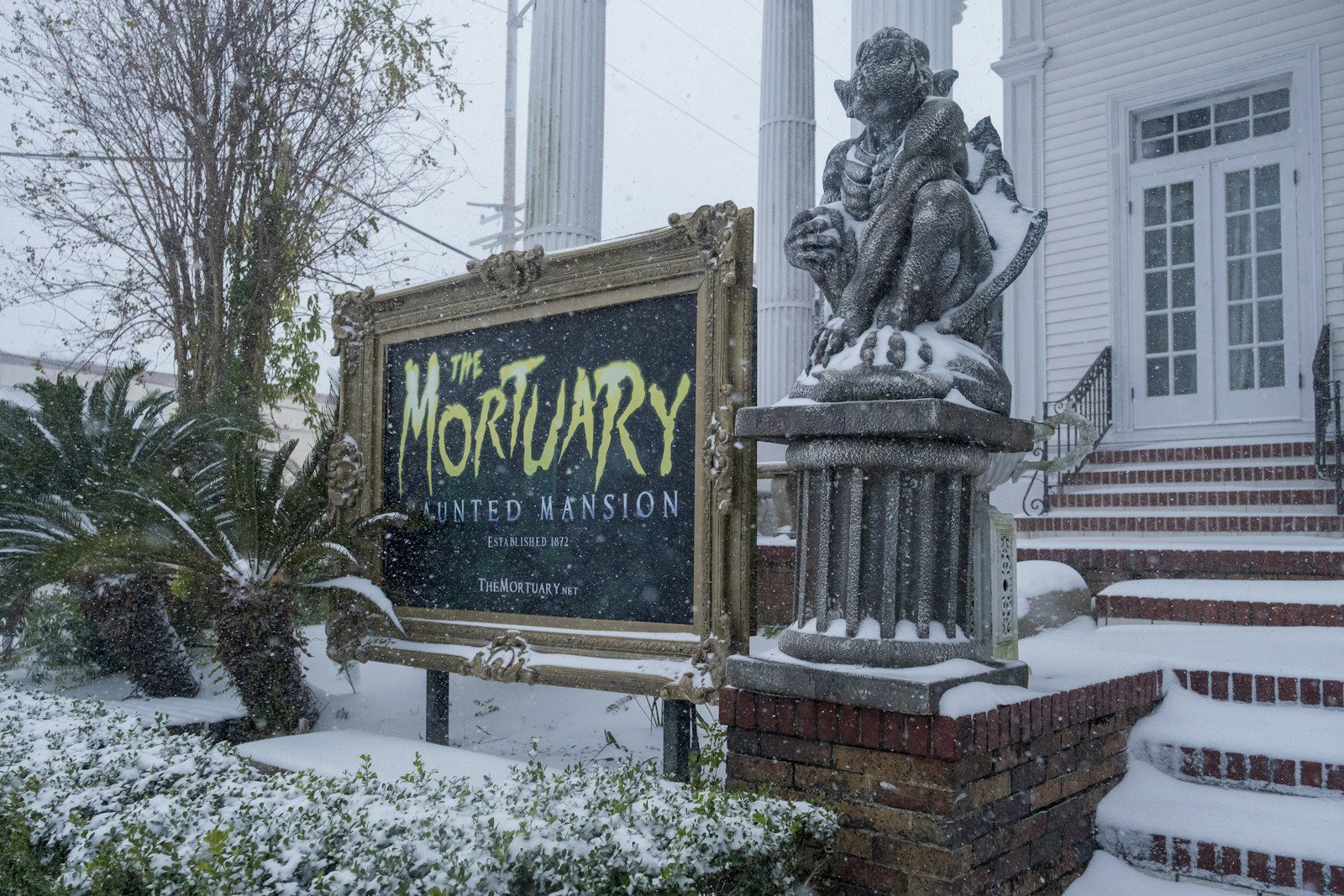
Winter Storm Fern has turned deadly in Louisiana, with at least three deaths now tied to the brutal cold and ice gripping the northern part of the state. Two men in Caddo Parish and an elderly man in DeSoto Parish did not survive the deep freeze, underscoring how quickly a winter blast can go from inconvenient to life threatening. As power outages, slick roads, and plunging temperatures linger, the focus is shifting from just riding out the weather to understanding exactly what went wrong and how to keep it from happening again.
North Louisiana reels from Winter Storm Fern
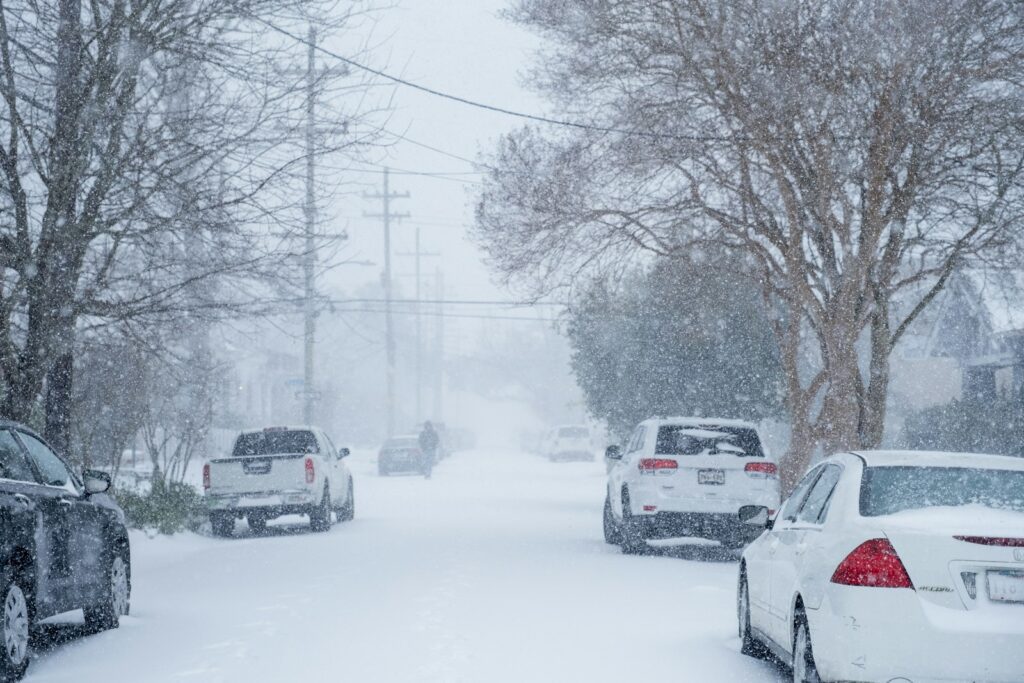
North Louisiana is used to humidity and hurricanes, not sheets of ice locking neighborhoods in place. When Winter Storm Fern settled over the region, it brought a mix of freezing rain, sleet, and bitter cold that pushed local infrastructure to its limits. The system did not just glaze over a few bridges, it coated trees, power lines, and rural roads, turning everyday routines into risky calculations about whether a quick drive or a walk outside was worth it. As the storm dug in, residents found themselves juggling busted pipes, dark homes, and a growing sense that this was not just another cold snap.
The broader footprint of Fern stretched far beyond Louisiana, with Impacts rippling from New Mexico through the Northeast and leaving over 70,000 customers without power at one point. In that context, the problems in North Louisiana were part of a much larger national weather event, but the local experience still felt intensely personal. Coverage focused on how North Louisiana is dealing with the fallout has highlighted just how disruptive Fern has been, from blocked interstates to neighborhoods where ice snapped limbs and power lines in the same night.
Two hypothermia deaths confirmed in Caddo Parish
The most sobering news out of Caddo Parish is that Two men died from hypothermia after the cold settled in and refused to budge. According to Two separate confirmations, Both deaths were ruled storm related by the parish coroner, tying them directly to the dangerous conditions created by Winter Storm Fern. Officials have not released the men’s ages, but the pattern is painfully familiar: vulnerable residents, prolonged exposure to freezing temperatures, and not enough insulation, heat, or backup options when the weather turns hostile.
State health leaders have been blunt that these were not abstract statistics but preventable tragedies. Both men were confirmed as winter storm victims after exposure to the cold, and their cases have become a rallying point for warnings about checking on neighbors and avoiding alcohol use when temperatures plunge. The Louisiana Department of Health has stressed that hypothermia can creep up quietly, especially on people who assume they can tough out a night or two without reliable heat.
What we know about the Caddo Parish victims
Local reporting has filled in more of the picture around the Caddo Parish deaths, tying them directly to Winter Storm Fern and the conditions it created. Two deaths were reported in Caddo Parish due to Winter Storm Fern, and authorities have pointed to alcohol consumption as a factor that may have made it harder for at least one victim to recognize the danger of the cold. That detail matters because it turns a vague warning about “use caution” into a concrete example of how a normal night of drinking can become deadly when the temperature drops and the power grid is shaky.
Officials in Caddo Parish have also been trying to get ahead of rumors and confusion by repeating the same core facts. The Louisiana Department of Health has said that Two men in Caddo Parish died due to hypothermia and that their deaths were formally classified as storm related. That confirmation, echoed again in a separate notice from Louisiana Department of, has helped anchor the public conversation in verified information instead of speculation.
State health officials track storm-related fatalities
At the state level, health officials have been methodical about how they count and describe storm related deaths, and that process matters when residents are trying to understand the true toll. The Louisiana Department of Health publicly reported that Louisiana Department of confirmed Two winter storm deaths in Caddo Parish and that both were tied to hypothermia. That same update emphasized that the deaths were verified by the parish coroner, which is the key step that separates anecdotal reports from official statistics.
Those numbers have also been picked up in statewide coverage that tracks how Fern is affecting Louisiana compared with other parts of the country. One brief noted that the department reported the deaths on Sunday morning and highlighted that the two fatalities were part of a broader pattern of winter storm deaths across several states. In that same context, the figure of 50 was cited to mark the time of the update, a reminder of how quickly these tallies can change as more information comes in and as local coroners complete their investigations.
Third death in DESOTO PARISH adds to the toll
As the state was still processing the Caddo Parish cases, word came of a third storm related death in DESOTO PARISH, adding another layer of grief to an already grim week. In this case, an elderly man and his two pets were found dead in his home after the ice storm, a discovery that hit especially hard in a rural community where neighbors often keep informal tabs on one another. The circumstances underscored how isolation, age, and limited mobility can turn a cold house into a deadly trap when temperatures stay below freezing for days.
Local coverage from DESOTO PARISH has noted that the man’s family believes a falling limb may also have played a role in the chain of events that led to his death, illustrating how intertwined the storm’s hazards can be. A separate reference to the same incident described how the elderly man and his pets were discovered after neighbors grew concerned and checked on the home, a detail that appeared again in another KSLA account that confirmed this as the third death tied to the severe winter ice storm.
How Winter Storm Fern compares to the national picture
Louisiana’s three confirmed deaths are part of a much larger national story playing out as Fern and related systems sweep across the country. Live updates on the storm have tracked a rising death toll and more than 800,000 people losing power in subfreezing temperatures, with Renee Straker reporting that The Northeast is taking the final snowfall from Winter Storm Fer even as communities are still digging out. One update pegged the length of the read at 7 min and noted that 40 states were feeling some kind of impact, a sign of just how sprawling this weather pattern has become.
National outlets have also zoomed in on specific cities to show how deadly the cold can be even in places that are used to winter. In New York City, Mayor Zohran Mamdani said at least five people who died were found outside, and that detail has echoed in Louisiana, where officials are urging residents not to underestimate how quickly exposure can turn fatal. Another national look at the Storm noted that at least 13 deaths were reported across several states, putting Louisiana’s experience in a sobering but sadly familiar national frame.
Power outages, isolation, and the hidden risks of cold
Behind each of these deaths sits a web of practical problems that many residents know all too well: unreliable power, limited transportation, and homes that were never built for sustained freezing weather. On Sunday, millions from New Mexico to the Northeast saw the same storm system knock out electricity and strain emergency services, and Louisiana was no exception. When the lights go out and the thermostat drops, people start improvising with space heaters, gas stoves, or even running cars in garages, all of which carry their own risks on top of the cold itself.
In North Louisiana, the combination of ice covered roads and scattered outages has made it harder for friends, family, and first responders to check on people who might be in trouble. Coverage of how How the Major has affected North Louisiana Is Impacting the Area has pointed to rural residents in particular as being at higher risk, simply because they live farther from hospitals and neighbors. That isolation can turn a minor fall on the ice or a broken branch into a life threatening emergency if no one can get through quickly.
Warnings, messaging, and what officials are emphasizing
As the death count has climbed, state and local officials have shifted their messaging from general storm updates to very specific safety advice. Health leaders have stressed that hypothermia does not always look dramatic, and that people should watch for confusion, shivering that suddenly stops, and slurred speech in themselves and others. The Louisiana Department of Health has used its confirmation of the Caddo Parish deaths to push out reminders about dressing in layers, avoiding alcohol in the cold, and using generators only outdoors, tying those warnings directly to the winter storm deaths it has already logged.
Local stories have echoed that guidance, often weaving in the names of the parishes and the specific circumstances of the victims to make the advice feel less abstract. In Caddo Parish, for example, coverage has repeatedly mentioned that Caddo Parish officials are warning about alcohol consumption during cold weather after seeing it show up in at least one of the fatal cases. Statewide, the message has been consistent: do not assume that a Southern winter storm is harmless just because it lacks the deep snow totals seen farther north.
What comes next for Louisiana as the ice melts
Even as temperatures slowly climb and the ice starts to melt, Louisiana is left with hard questions about how to prepare for the next round. Winter Storm Fern Turns Deadly has become a shorthand for a broader reckoning in North Louisiana about housing quality, backup power, and how to reach people who are most at risk when the grid falters. Local discussions are already circling around whether more warming centers, better public communication, or targeted outreach to seniors could have changed the outcome for the three people who died.
At the same time, the national conversation is moving toward how often events like this will hit regions that are not built for them. Live coverage has noted that The Northeast is wrapping up its final snowfall from Winter Storm Fer while communities in places like Louisiana are still counting their losses. In Baton Rouge and beyond, policymakers are watching those numbers closely, with updates from outlets like Louisiana Illuminator helping to keep the focus on how The Louisiana Department of Health tracks and responds to storm related deaths. The hope is that by the time the next winter system rolls through, the lessons from Fern will not just be remembered, they will be built into how the state protects its people.
More from Decluttering Mom: