How old is your car? If you are like the average American, says YouTuber That Practical Mom, it is pushing 13 years, which she calls a record high.
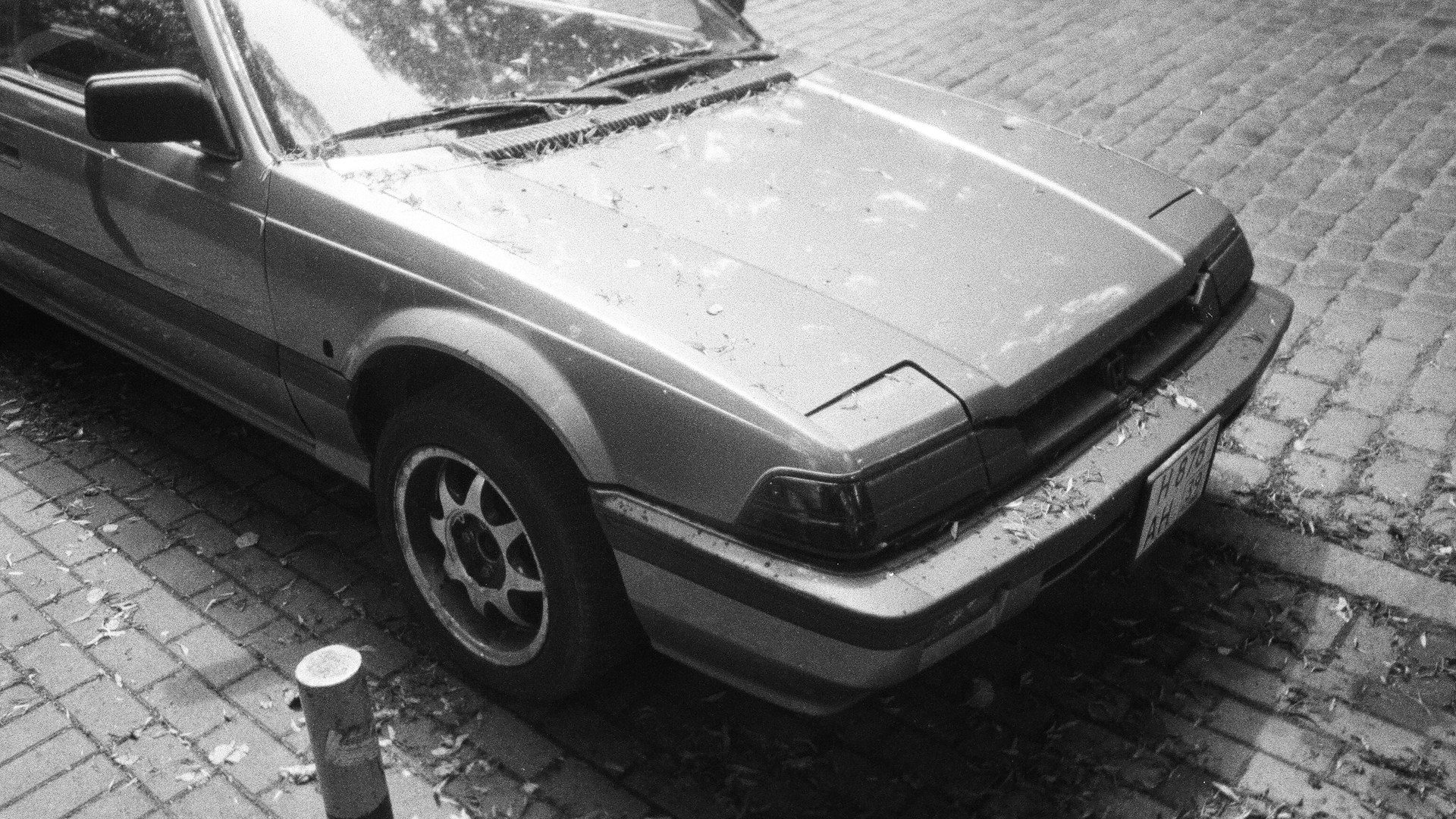
Now think about your feed. When was the last time you saw somebody post a picture of a car that looked 13 years old? She says that gap is the whole problem, because there are now two normals.
One is the normal we really live in, with the old car, the mismatched living room furniture and a pantry that looks like somebody actually uses it. The other is the one online, with new cars, renovated kitchens and a pantry full of matching drink dispensers.
The troubling part, she says, is that the second normal is winning. Half of Americans aged 15 to 45 say they feel pressured to spend to keep up with other people.
Half Of Us Hate Watching Wealth Online, Yet We Still Feel Pressured To Perform It
Here is the twist she asks viewers to hold onto. She says half of us also feel bad watching people show off wealth online, and that posts of luxury spending actually come across as less authentic.
So we do not like it when other people perform wealth, and yet we feel pressure to perform it ourselves, even when most of us cannot really afford the life we are acting out. She says social media has raised the bar for what a normal life looks like, with new wardrobes every season, constant renovations, kids’ parties that look like weddings and $900 baby strollers.
51% Admit They Overspent To Impress Someone, And She Says The Real Number Is Higher
She shares a humbling moment from about a year and a half ago, when she and her husband sat down to buckle down on their spending. They realized how much money had gone to things that, at the core, were meant to impress other people.
In a survey she cites, 51% of Americans admitted they have gone overboard spending to impress someone. She would wager the true figure is higher, because we often tell ourselves it is a treat for us when it is really about how it makes us look.
She points to a Bankrate survey as well. In it, 57% of social media users said people post things to look more successful than they are, but only 12% admitted to doing it themselves. Her take is that somebody is not being honest, and she suspects it is all of us.
It Is Not Mansion Tours, It Is Ordinary Moms With Decanted Coffee Syrups
Her point is that the videos shaping our idea of normal are mostly not mansion tours. A reel of a $20 million house is far enough from her life that she can file it under rich people stuff.
It is the relatable mom whose house looks a bit nicer than hers, with kids the same age, unloading groceries and making dinner, that feels comparable. The trouble, she says, is that she compares her whole lived routine with someone else’s edited version of it.
She describes quiet abundance, like a coffee station with four perfectly decanted flavored syrups, or a restock video with a pantry full of matching drinks and backups of everything. Even an $8 banana slicer, she notes, does not scream money. But she says it adds up to a performance of abundance, and it hides another luxury, the luxury of time.
Time Is The Hidden Luxury, And A Three Hour Reset Becomes 45 Seconds
She calls it time affluence, the perception that someone has free time beyond work, child care and basic home management. It takes extra time to decant dishwasher pods, pour orange juice into little bottles and fold clothes perfectly, and then more time to maintain it all.
She mentions economist Thorstein Veblen, who wrote about conspicuous leisure in 1899, the idea that visibly spending time on unnecessary things shows you are well-off. Today, she says, it is decanting your cereal or sitting for 20 minutes in a red light therapy mask.
Money plays a part too. She says some videos are sponsored, many carry storefront or shop links that pay the creator a commission, and platforms reward views. Short reels cut the ugly bits, so a 3-hour Sunday reset becomes 45 seconds while you live every minute of yours.
She says this from the inside, because when she made that type of content she thought she was showing real life but was still choosing what viewers saw. Hundreds of true, cleaned-up moments, she says, still add up to a false picture of normal.
The Lipstick Effect And Heated Seats Show Why Each Little Luxury Resets The Bar
She tells the story of late 2001, when Leonard Lauder of Estee Lauder braced for a terrible holiday season. He noticed almost every counter was quiet except lipstick, because people who could not afford a designer coat could still afford a designer lipstick. She says researchers found cosmetic spending rose during the Great Recession, and luxury brands now lean into small treats, like mini candles and bag charms.
Her own example is toilet paper. She and her husband once bought the cheapest kind, and when they could finally afford Cottonelle she felt like she was riding high, but now it does not feel special. She says each little luxury just raises your baseline.
She offers numbers from her research to show how quickly luxuries become staples. In 1990, less than 5% of cars had heated seats, and she says by 2025 as many as 80% of new cars come with them. Central air went from 27% of homes to 64% over 40 years, and microwaves went from about 14% of homes to 95%.
Clothing is the same story, she says. In 1991 Americans bought an average of 40 garments per person each year, and by 2021 it was 69, a 73% increase.
Before You Buy The Nicer Thing, Ask Which Normal You Are Buying For
Her closing advice is gentle. Nice things are fine, she stresses, and not every splurge is bad. She says the finish line keeps moving, because there is always a nicer kitchen, a better morning routine, a fuller pantry, and always shampoo a rung above the one you buy now.
She has started catching herself and asking what normal she is buying for. She also notes that a perfectly decorated home may not just impress a guest, who might go home, feel a little badly about their own house, and spend money to catch up. Her question is whether we are impressing people or just making them feel bad.
A practical way to use her idea is to pause before a purchase and ask if you would still want it if no one would ever see it. Remember that your feed is stitched from the best moments of hundreds of people, not one person’s real financial life. And remember that normal one, the old car and the lived-in pantry, is what most of us actually have.
More Stories You May Like
- 10 Popular Cleaning Hacks Experts Warn Can Damage Walls, Floors, Furniture Or Plumbing Even When They Look Harmless Online
- 13 Things Professional Organizers Say They Never Buy, And Why Their Homes Stay Less Cluttered Because Of It
- 12 Kitchen Items Worth Buying At A Restaurant Supply Store And A Few Worth Skipping