
One mom was caught off guard when she discovered her babysitter had taken her baby to a family event without permission. Even more unsettling was the realization that her son had been bathed by the babysitter’s boyfriend—someone she didn’t even know well. These incidents raised serious concerns about trust and boundaries, leading her to question the very foundation of her childcare arrangement.
The parent had been using the same babysitter since February after returning to work. Initially, there was a solid rapport, partly because the two already knew each other. They had agreed on a plan that included structured care for her 11-month-old son, which primarily focused on nurturing his early development. However, as time passed, she started feeling uneasy about how that agreement was being honored.
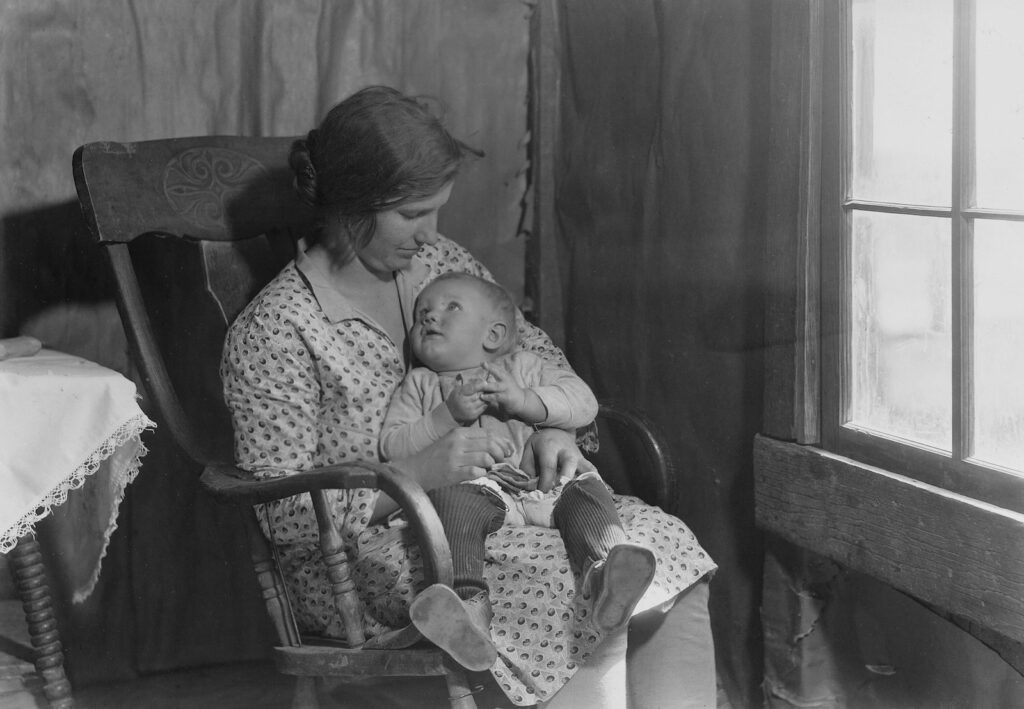
Her discomfort grew as she noticed several alarming patterns. The babysitter had begun feeding her son foods she hadn’t approved, taking him to places without prior notice, and even neglecting to communicate during the day. There were times the parent had texted for updates—something they had agreed upon—only to receive no response. Once, she overheard the babysitter’s niece answer the phone with cartoons blasting in the background, a sign that things were chaotic rather than under control.
Each incident added to her growing list of concerns. The caregiver would forget essential items like wipes, clothes, and toys, which became frustrating. The parent had even started monitoring how much formula was sent back home, noticing that it often came back almost empty while the solid food she prepared sometimes returned untouched.
One particularly troubling moment came when she found out that the babysitter had allowed her sick nephews to use the baby gear the parent had purchased, including a playpen and high chair. It was alarming to think that her son might be exposed to germs from other children, especially when he had fallen ill twice after these interactions.
With these experiences weighing heavily on her mind, the parent started considering enrolling her son in an educational academy that promised a more structured environment. She could see the potential benefits of more interaction and activities tailored to his age. But she was equally aware of the emotional challenges that came with making a change, particularly when it meant confronting the babysitter.
The parent planned to keep her conversation simple and focused on her decision to enroll her son in the academy. She didn’t want to delve into every issue unless pressed. It seemed respectful to maintain a friendly tone while clearly stating her decision. Nonetheless, there was an undercurrent of uncertainty. Was it unreasonable to change caregivers when trust had been compromised?
People had very different reactions to her situation. Some thought the decision to switch caregivers was entirely justified, especially with the lack of communication and respect for boundaries. Others pointed out that perhaps the babysitter’s actions stemmed from a misunderstanding rather than malice. They noted that many caregivers find themselves in challenging situations, balancing their own needs with those of the children they care for. It sparked discussions about what parents should expect from caregivers and how much communication is necessary for a healthy working relationship.
Others were sympathetic to the parent’s plight and emphasized the importance of setting clear boundaries. They suggested that perhaps a direct conversation could help clarify expectations and responsibilities, giving the babysitter a chance to rectify misunderstandings. However, the recurring patterns of behavior left many feeling that the trust had already been broken.
As the parent prepared for her meeting with the academy, she faced a reality that many parents know too well: not every childcare arrangement lasts forever. How can one establish trust when past experiences create doubt? Will it be possible to have that honest conversation that not only respects her own feelings but also considers the babysitter’s perspective? The dynamics of childcare can be complex, and the search for a secure, trustworthy environment for a child is often filled with difficult decisions.
More from Decluttering Mom: