An average of 376 children under 15 drowned in pools and spas each year between 2021 and 2023, and nearly 80% of those victims never reached their fifth birthday, according to a Consumer Product Safety Commission report released June 24, 2026. In 2023 alone, the most recent year with final data, 379 children died — a 6% increase from the 359 deaths recorded in 2022.

Key Points
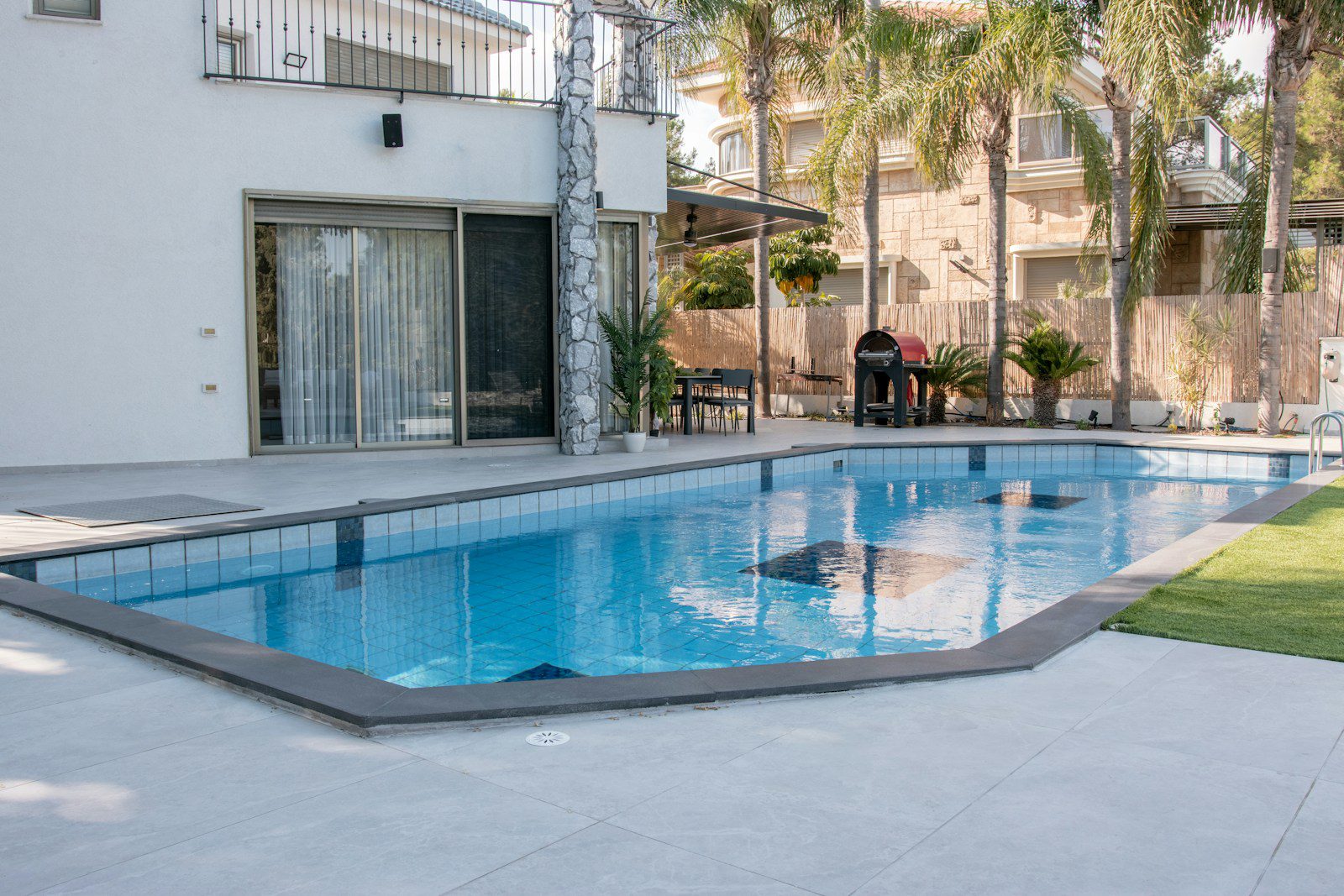
- More than 70% of fatal drownings from 2021 to 2023 happened in residential settings — the victim’s own home, a family member’s or friend’s home, or a neighbor’s pool.
- An estimated 5,900 children a year were treated in hospital emergency departments for nonfatal pool- or spa-related injuries between 2023 and 2025.
- Drownings peak in June, July, and August, the exact stretch of the year now winding down.
What the Numbers Mean
Acting CPSC Chairman Peter A. Feldman said in the agency’s release that “drowning remains the leading cause of death for children ages one through four, and this year’s report makes clear that these tragedies continue to take an unacceptable toll on American families.” The residential concentration is the detail worth sitting with: this isn’t primarily a public pool or waterpark problem. It’s happening in backyards, at grandparents’ houses, and at a neighbor’s cookout, in settings where a responsible adult is almost always present but not necessarily watching the water every second.
The under-5 skew tracks with how quickly small children can slip underwater without a splash or sound loud enough to draw attention. Most child drownings happen in under five minutes, often during a brief lapse when a supervising adult steps away to answer a phone, grab a towel, or refill a drink.
What Consumers Should Do
- Assign one adult as the sole “water watcher” during any pool gathering — a job that means no phone, no reading, and no side conversations, ideally rotated in short shifts.
- Install four-sided fencing with self-closing, self-latching gates around residential pools, separating the pool from the house and yard, not just the yard from the street.
- Keep young children within arm’s reach in and around water, regardless of how shallow it looks.
- Learn infant and child CPR before hosting or attending pool gatherings this season and next.
With Labor Day marking the unofficial end of pool season for much of the country, CPSC’s report lands as a final reminder rather than an early warning: the riskiest months are the ones families are just now closing out, and the data suggests the danger doesn’t fully recede until the pool cover actually goes on.