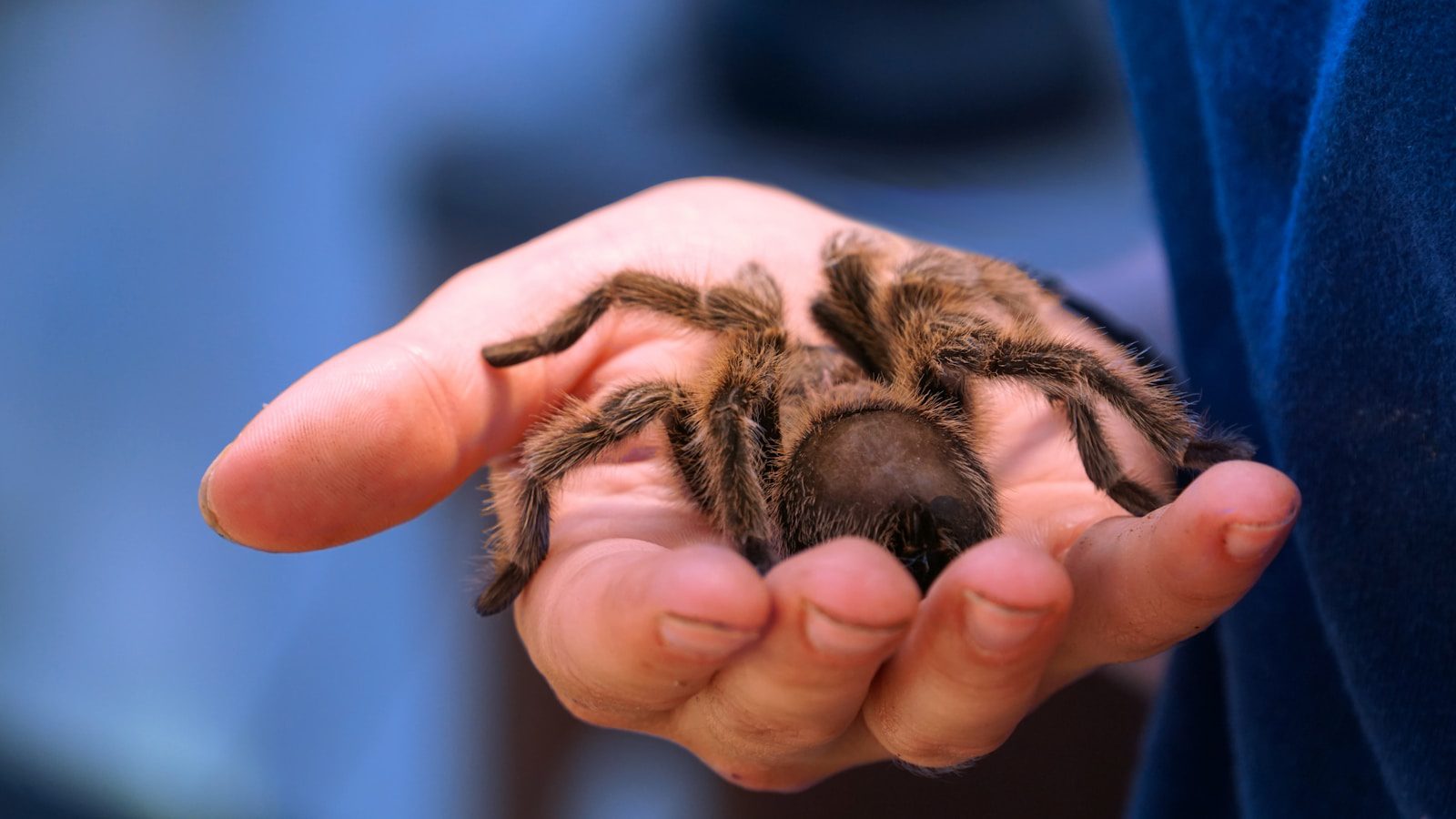
Joro spiders — an invasive species that can span up to four inches across, leg to leg — are turning up in new backyards across the Southeast and Mid-Atlantic again this month, and researchers say there’s essentially no way to contain how far they spread from here, according to CBS News.

Key Points
- Sightings have been reported so far in 2026 across Georgia, the Carolinas, Tennessee, and Alabama.
- Adult females are yellow with bluish-green stripes and black-and-yellow banded legs, with a body up to about an inch long and a leg span stretching to roughly four inches; males are smaller and brown.
- The spiders spread largely through a natural process called “ballooning,” in which young spiders release strands of silk that catch the wind and carry them long distances — a dispersal method that doesn’t depend on human transport and can’t be blocked at a state line or backyard fence.
- A study published in the Journal of Medical Entomology found that bites are extremely rare and mainly occur when a spider is physically restrained, not from ordinary contact.
What to Do If You Spot One
- Don’t kill or disturb it. Researchers tracking the species have discouraged killing Joro spiders on sight, both because they’re not considered a meaningful danger to people and because it’s illegal to kill wildlife, including spiders, in national parks.
- Watch for misidentification. Joro spiders are frequently confused with native orb-weaver species that look similar, so a large yellow-and-black spider in a backyard web isn’t automatically a Joro.
- Report sightings through the iNaturalist app or by emailing the University of Tennessee’s tracking project at [email protected], which helps researchers map how far the population has actually spread.
- If one becomes a nuisance around doors, porches, or high-traffic areas, gently relocate it with a broom or stick rather than spraying pesticide or killing it outright.
Joro spiders first drew national attention after establishing populations in Georgia roughly a decade ago, and their range has expanded steadily northward and westward nearly every year since, tracked in part through university extension programs and citizen sightings rather than any coordinated eradication effort — because, unlike an invasive plant that can be pulled or a contained pest population that can be sprayed, a species that disperses by catching the wind as a hatchling doesn’t leave regulators many tools to stop it before it lands in the next county, or the next state, on its own.