You can turn a few square feet of lawn into a meaningful backup for your grocery budget and pantry. Bold choices—like planting high-yield vegetables, preserving excess, and swapping with neighbors—stretch food dollars and make your household more resilient.
A small, well-planned backyard can reliably supply staples and reduce trips to the store, especially when you combine season-extending techniques and simple preservation. This article shows how neighborhood microfarms change where food comes from and what to consider if you want your yard to serve as a practical grocery backup.
How Backyard Food Production Is Changing Neighborhoods
Backyard food production increases local access to fresh produce, creates new social connections between neighbors, and raises questions about zoning, maintenance, and shared resources.
Growth of Home Food Forests and Edible Gardens
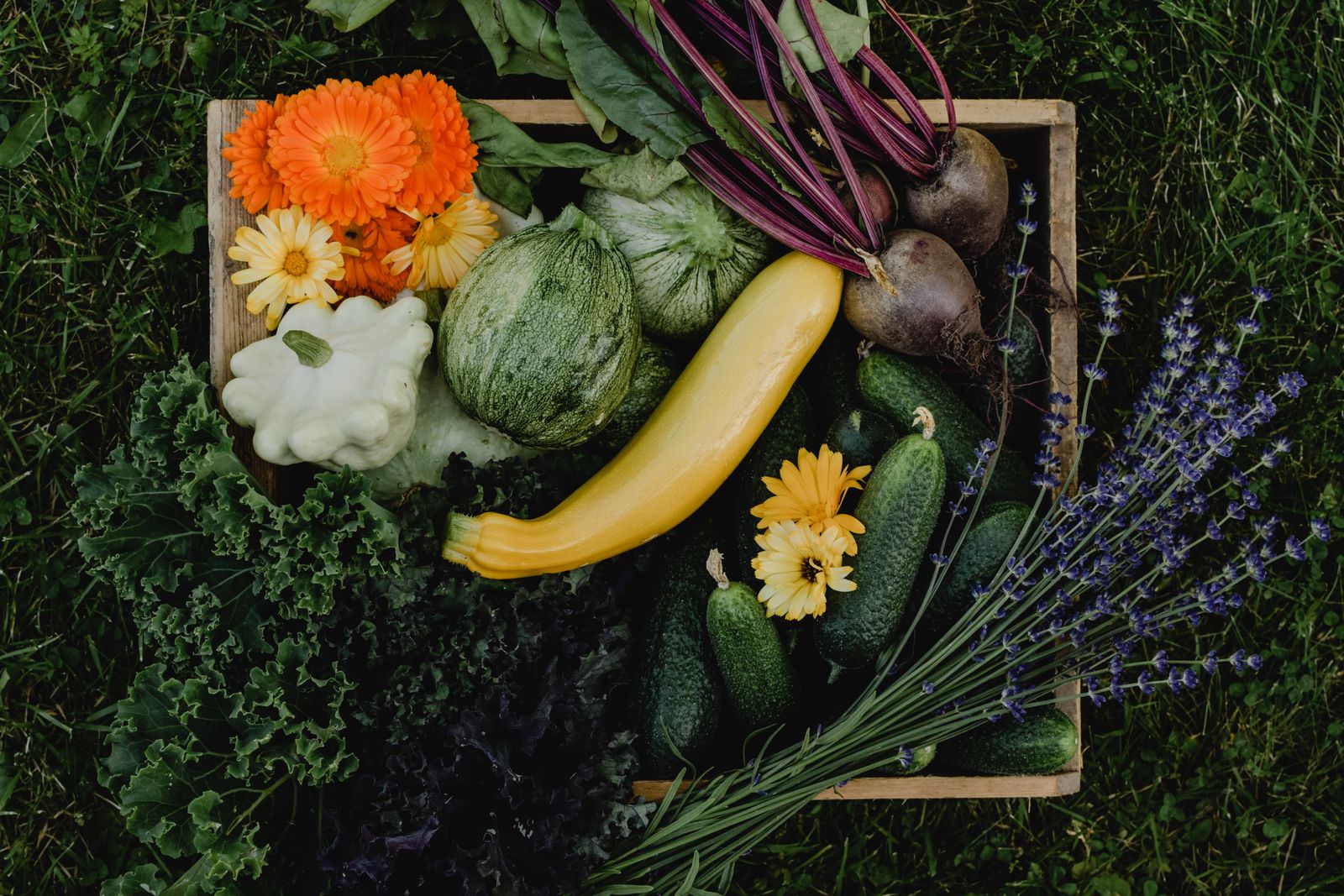
You’ll see yards transformed from turf to layered plantings: fruit trees over berry shrubs, perennial herbs, and annual vegetable beds. These “home food forests” focus on low-maintenance perennials that produce for years, paired with seasonal vegetable rotations for steady harvests.
Many people add vertical systems and containers to small patios, and some retrofit sheds with simple rainwater catchment. You can save money on groceries and reduce food miles while increasing year-round variety if you choose climate-adapted species and staggered planting schedules.
Community knowledge-sharing accelerates adoption. Neighbors trade seedlings, compost, and techniques, and online groups help you troubleshoot pests and soil issues quickly.
Impact on Property Value and Local Aesthetics
Well-designed edible landscapes can boost curb appeal and attract buyers who value sustainability and self-reliance. Mature fruit trees and tidy raised beds often register as positive features in listings, particularly in markets where gardening is popular.
However, informal or poorly maintained gardens may trigger neighbor complaints about appearance, pests, or odors. You should plan for neat edging, seasonal cleanup, and discreet composting to avoid disputes and preserve neighborhood standards.
Some municipalities now recognize edible landscaping in property assessments and zoning revisions, which can influence long-term value. If you’re considering a major conversion, check local rules so your investment aligns with code and buyer expectations.
Response from Communities and Local Government
Neighborhood groups often form around backyard production to share bulk seed orders, tool libraries, and micro-markets for excess produce. You can participate in seed swaps, volunteer-run compost hubs, or neighborhood harvest exchanges that strengthen local food resilience.
Local governments respond in varied ways. Some cities adapt zoning to allow front-yard gardens, backyard chickens, or small apiaries; others enforce strict codes against certain structures or visible food plots. Check municipal ordinances and any HOA rules before altering your yard.
Policy pilots—like permitting raised beds in setbacks or streamlining permits for backyard greenhouses—are becoming more common as officials weigh public health, stormwater runoff, and property maintenance concerns. Engaging with planning meetings can help shape rules that support practical, safe food-growing in your area.
Considerations for Future Backyard Grocery Systems
You’ll need to balance hardware, software, and community arrangements to make backyard food production reliable, affordable, and secure. Focus on realistic investments, clear partnerships, and practical security measures to protect your harvest and data.
Technology, AI, and Security in Urban Agriculture
Expect sensors, small-scale automation, and AI models to handle watering schedules, pest detection, and yield forecasting. Install soil moisture probes, a weather station, and a simple controller that can run scheduled irrigation; these reduce crop failure risk and save water.
Use AI for pattern recognition—plant disease detection or yield prediction—but verify model outputs with manual checks. Keep models local or on a trusted edge device when possible to avoid continuous cloud uploads of images and logs. Encrypt your Wi‑Fi and change default passwords on controllers and cameras.
Plan physical security: lockable sheds for tools, motion lighting, and discreet camera placement that respects neighbors’ privacy. Document access and maintenance schedules if multiple people tend the space. Regular firmware updates and a basic incident plan (who to call, where backups are stored) will reduce both cyber and physical vulnerabilities.
Role of Partners and Collaborative Manufacturing
Partner with local makers, co‑ops, and urban farms to share equipment costs and expertise. Cooperative greenhouse rentals, tool libraries, and seed swaps lower barriers for you and your neighbors while spreading maintenance responsibilities.
Consider modular manufacturing: local workshops or microfactories can produce raised beds, trellises, and hydroponic racks on demand. This shortens supply chains and reduces dependence on distant suppliers. Work with community colleges or makerspaces for low‑cost fabrication and training.
Formalize roles with simple agreements: who supplies inputs, who schedules watering, who sells surplus. Local retailers and grocers may partner to buy surplus or host mini‑markets. Track shared expenses with a spreadsheet or inexpensive app so pricing and profits stay transparent and fair.
Costs, Pricing, and Accessibility
Calculate upfront costs: soil, raised beds, seeds, irrigation parts, and basic sensors. Expect initial setup to range widely—simple container gardens can cost under $100; modular hydroponic systems often run several hundred dollars. Factor in annual recurring costs: seeds, fertilizer, electricity, and replacement parts.
Price homegrown produce realistically if you sell or barter. Base prices on local grocery rates minus labor; many gardeners aim for 30–50% below retail to attract neighbors while covering inputs. Offer volume discounts or subscription boxes for predictable revenue.
Improve accessibility by scaling options: low‑cost starter kits, community plots with subsidized plots, and sliding‑scale fees. Seek grants or partner with local nonprofits to fund setups for households with limited income. Keep records of yields and costs to refine pricing and demonstrate value to partners.