You can make your backyard feel like an inviting extension of your home without chasing perfection. Focus on cozy seating, layered lighting, and functional zones that let you relax, entertain, and garden with less fuss.
A backyard that’s cozy, useful, and a little less perfect makes you want to spend time outside — not maintain a showroom. Small choices like a fire pit, a planted border, or a worn-in bench add warmth and purpose while keeping upkeep manageable.
This post will show practical ways to design welcoming outdoor spots and combine natural beauty with everyday usefulness so your yard works for how you live, not how it looks in a magazine.
Designing Inviting Outdoor Spaces
You’ll create a backyard that feels lived-in and useful by arranging clear activity areas, choosing durable but comfortable furnishings, and layering light and pathways so movement feels natural and safe.
Creating Functional Zones for Relaxation and Entertaining
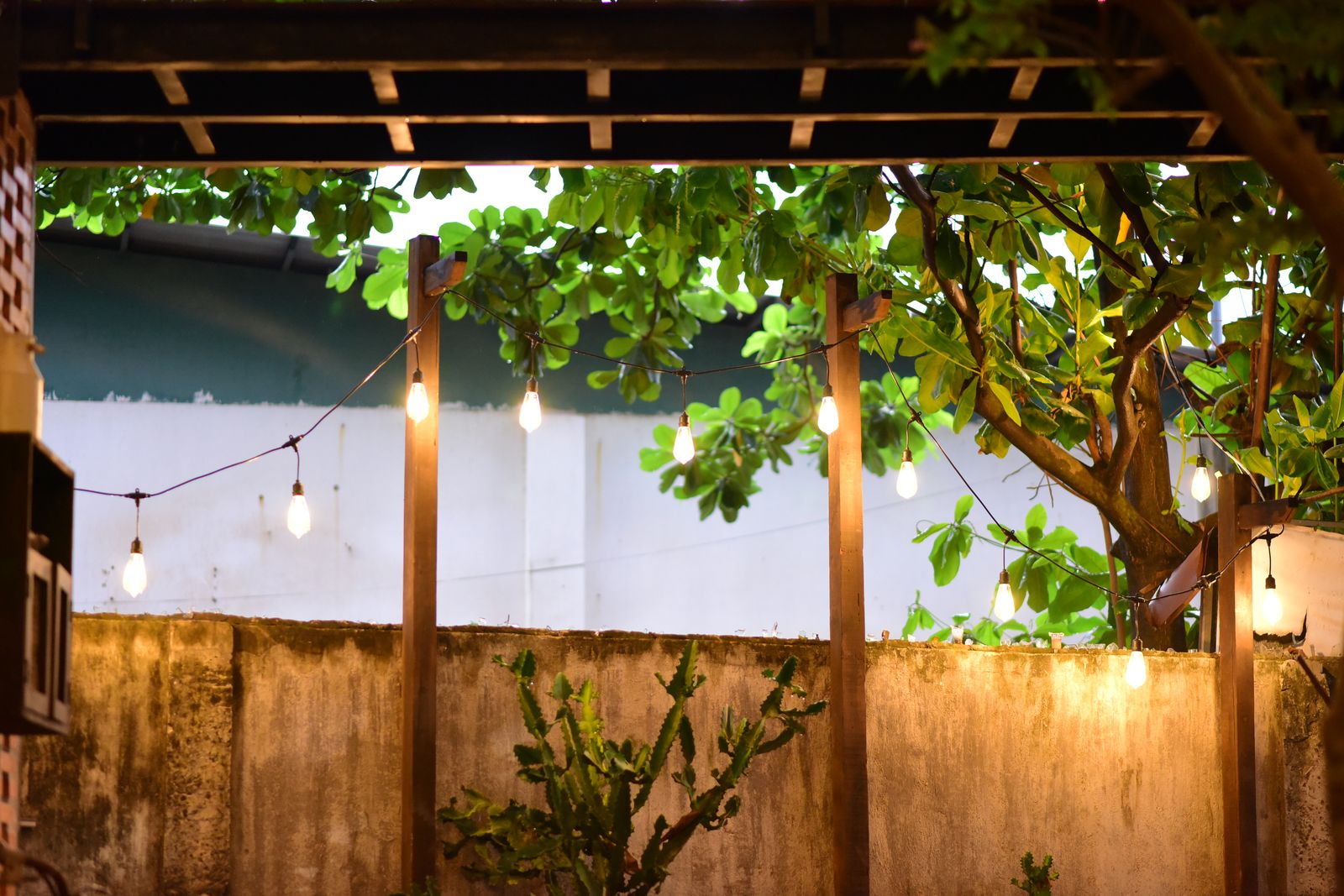
Divide your yard into defined zones: a dining area with an outdoor dining set near the kitchen for easy service, a grill station or built-in grill on a stable surface, and a lounging spot with a cozy seating nook for conversation. Position a weather-resistant outdoor living room—sectional or Adirondack chairs with outdoor rugs—on a wooden deck or stone patio to anchor the relaxation zone. Use a pergola, gazebo, or cabana to mark a protected lounging area and hang outdoor string lights or lanterns from beams for evening use. Add a small plunge pool or hot tub next to the seating area if space allows; keep mechanical access and privacy screens in mind during placement. For families, include a low-maintenance play nook like a sandbox tucked behind a privacy wall so it doesn’t dominate entertaining spaces.
Essentials for Outdoor Comfort and Style
Choose materials that stand up to weather while still feeling cozy. Opt for teak, powder-coated metal, or resin wicker for furniture frames and quick-dry cushions with UV-resistant fabric. Layer textures: an outdoor rug under the seating group, throw pillows in washable covers, and a few large planters for greenery. Include multifunction pieces—a bench with storage or ottomans that double as extra tables—to keep the space useful without clutter. For dining, pick a table height that fits your chairs and an umbrella or awning for midday shade. Balance hardscape (pavers, decking, stone pathway) with soft elements like planted beds or a trellis covered in vines to soften sightlines and increase privacy.
Lighting, Pathways, and Layout Enhancements
Plan lighting and circulation together so pathways, steps, and pavers guide guests instinctively. Line a stone pathway or stepping stones with low bollards or soft lighting to the fire pit area and outdoor dining set. Use layered lighting: string lights across the main gathering zone, recessed deck lights for stairs, and lanterns clustered near seating for warmth. Place focal fixtures—an outdoor fireplace or fire pit—where people naturally gather, and arrange seating in a semicircle for conversation. Add subtle layout cues: change paving material between zones (pavers to decking) to signal function, and install trellises or privacy screens to block views from neighbors while framing the space.
Bringing Natural Beauty and Practicality Together
Make choices that add color, scent, and usable space without demanding constant upkeep. Focus on plants and features that return perks—shade, food, wildlife visits, or a quiet spot to sit—so your yard works as hard as you do.
Gardens and Greenery for Every Yard
Plant a mix of raised garden beds and in-ground flower beds to balance productivity and ornament. Use a raised garden bed for vegetables and herbs—mint, rosemary, and thyme thrive there and keep pests off your main beds. Place a narrow vertical garden on a fence to grow salad greens or trailing herbs if space is tight.
Choose native plants and fast-growing shrubs for quick structure and fewer maintenance needs. Add a cottage garden patch with daisies and pollinator-friendly perennials near seating to invite bees and butterflies. If you want low lawn care, exchange part of a lush lawn for a wildflower strip or stepping-stone path through mixed plantings.
Plan plant placement for microclimates: sun-loving vegetables where you get full sun, shade-tolerant ferns near patios. Use simple irrigation—soaker hoses in raised beds and a rain barrel—to cut watering time.
Backyard Features That Boost Relaxation
Install a small water feature—like a fountain or birdbath—to mask street noise and attract birds. A compact pond with a pump or a recirculating fountain fits most yards and creates continuous sound without heavy upkeep. Place it where you can see and hear it from your hammock or main seating area.
Create defined relaxation zones: a hammock under a shade tree, a small yoga space on a flat patio, and a bench near the herb garden for quick snips of mint or rosemary. Add soft outdoor lighting and string lights to extend evening use. Include bird feeders and wind chimes for added sensory appeal.
Use hardscaping—gravel pads, a simple retaining wall, or pavers—to anchor seating areas and reduce mowing. Keep furniture proportional so small yards don’t feel crowded.
Small Details With Big Impact
Layer scent and texture with container herb gardens: rosemary in a sunny pot, thyme edging a path, and mint in a contained planter to stop spreading. Add vertical gardens to blank walls for visual height and extra growing space without losing ground area.
Install modest wildlife supports: a bird feeder near shrubs, a bee-friendly planter, and a shallow birdbath close to cover so birds feel safe. Place wind chimes where breezes pass but not where they’ll annoy neighbors.
Use low, well-placed retaining walls to create planting terraces and level small patios. Add a compact chicken coop if you want fresh eggs and active composting; position it away from main seating and near vegetable beds for nutrient cycling. Small choices—a bowl-shaped birdbath, a narrow planter of daisies, or a simple fountain—deliver outsized returns in comfort and usefulness.