Bank customers are discovering a new way their accounts can get nickeled and dimed: a “remote” fee just to deposit checks through a phone or scanner. It is landing on top of a pile of other charges that feel less like payment for a service and more like a cover charge to access their own money. The result is a banking landscape where avoiding every fee is almost impossible, even for people who play by the rules.
Behind the scenes, banks are quietly tweaking fee schedules, raising a few cents here, adding a new line item there, and counting on customers not to notice. The pattern is clear: as interest margins stay tight and regulators crack down on the most egregious penalties, institutions are getting more creative about where they collect revenue.
How the new “remote” fee fits into banks’ growing junk-fee playbook
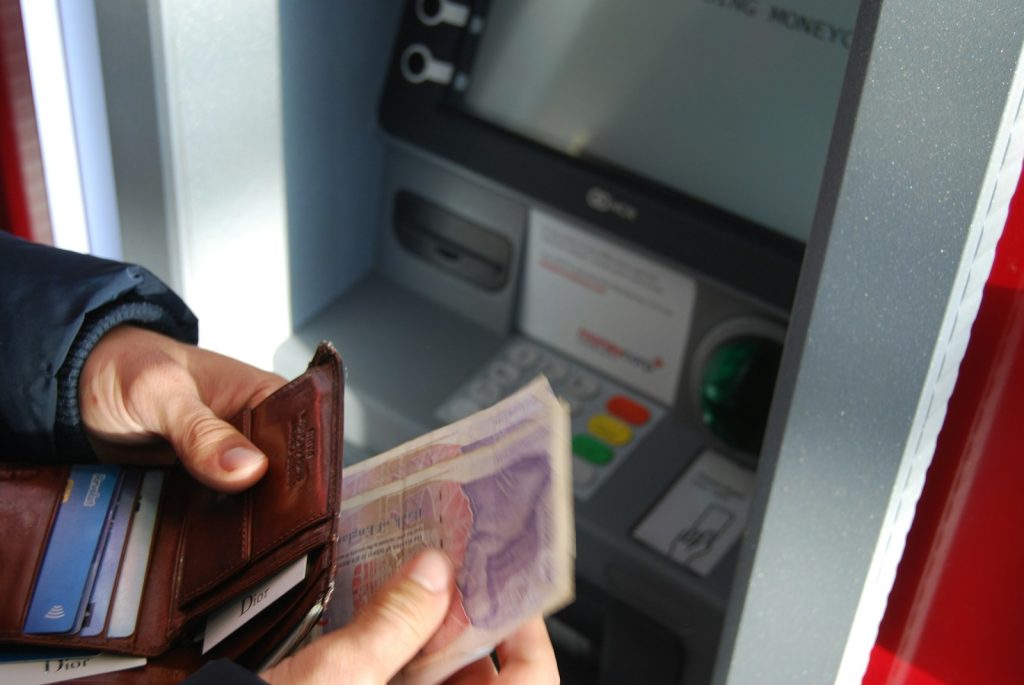
The latest flashpoint is a “remote” charge on check deposits that are made through a mobile app or desktop scanner instead of at a teller window. At one regional Bank, business customers using the app to deposit checks are now paying 25 cents per transaction, up from 23 cents, a small bump that adds up quickly for anyone handling a stack of payments every week, and that increase is spelled out in the bank’s own disclosures that note how business customers making deposits via a mobile app will now be charged 25 cents per transaction, up from 23 cents last year, with the change highlighted under the word Meanwhile. That same reporting details how BANKING users are being hit with a new “remote” fee just to deposit checks, underscoring how the cost of doing something as basic as getting paid is creeping higher for small firms and freelancers.
Remote deposit is not some fringe perk, it is now a core part of how banks expect customers to operate, especially business owners. Bank of America’s small business materials describe Remote Deposit Online as a standard tool and spell out that, Yes, the Service costs $15 a month, with the fine print noting that Your monthly Service fee may differ from those of other clients enrolled in the Service. When a bank both nudges customers toward digital channels and then layers a recurring charge or per-item fee on top, it turns convenience into a quiet revenue stream that is hard to escape without going backward to paper lines and teller windows.
The fees you can dodge, the ones you probably cannot, and where to bank instead
Remote deposit charges are only one piece of a much larger fee puzzle that hits everyday customers. Analysts who track checking accounts point out that Monthly maintenance fees are still among the most common costs, with some banks charging simply to keep an account open unless customers jump through hoops like minimum balances or direct deposits, and guidance on how to sidestep those Monthly charges stresses that Many big institutions still lean heavily on them. Other research into the real price of banking shows that major U.S. players stack on a long list of junk, predatory, or hidden fees, from overdraft penalties to paper statement charges, and one review notes that investigators searched through the websites and tariffs of each bank for the most commonly imposed junk fees, although there are many, many more, a pattern laid out in detail under the phrase We also. For consumers, that means the posted account fee is often just the starting point.
Some charges, though, are easier to avoid than others. Overdraft fees, for example, have long been one of the biggest money makers for banks, but Nov guidance on smart banking habits argues that Here are three bank fees no one should pay in 2026 and singles out Overdraft penalties as something customers can often eliminate by choosing accounts with no overdraft, using low-balance alerts, or linking to a backup savings account. Consumer advocates echo that message, explaining that Overdraft fees kick in when transactions exceed the available balance and can pile up before customers even realize it, and they walk through how to identify the fees draining an account and switch to options that let people keep more of their own money, advice laid out in a guide that bluntly tells readers Here is how to dodge common charges.
Other line items are harder to escape because they are baked into how the banking system works. Out-of-network ATM fees are a prime example, with one survey finding that ATM fees for out-of-network cash withdrawals average $4.86 nationwide, the highest on record, and that figure is highlighted in a post noting that There are Many different banking options where it is silly to waste money on unnecessary fees. Customers can limit those hits by sticking to their own bank’s machines or choosing institutions with large ATM networks, but anyone who travels or lives in an area with sparse coverage will eventually get caught.
More from Decluttering Mom: