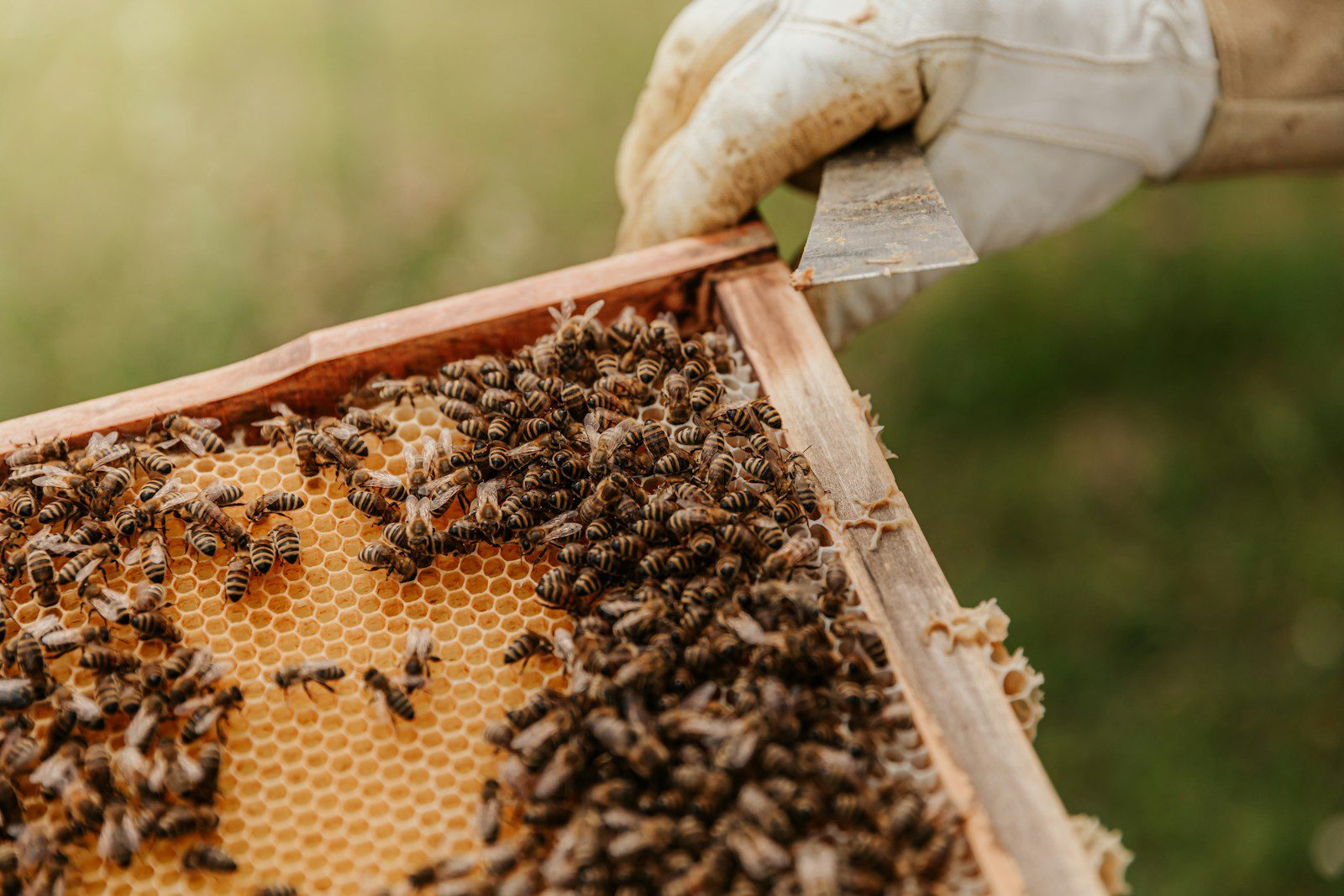
Beekeeping laws are evolving in many communities, and as a homeowner, it’s important to stay informed about how these changes might affect you. Whether you’re thinking about starting a hive or already have bees buzzing in your backyard, new regulations around permits, hive placement, and swarm control could impact your beekeeping experience.
The key thing to know is that many areas are tightening rules to balance your hobby with neighbor safety and environmental concerns, so you may need to adjust how you keep your bees or follow new registration and permit requirements. These updates often focus on reducing risks like allergic reactions and property disputes, while promoting the health of your bees and local ecosystems.
Understanding local zoning laws, property rights, and health department guidelines is more important than ever. Knowing your responsibilities can help you avoid fines or conflicts and ensure your bees stay healthy, which benefits both you and your community.
Overview of New Beekeeping Laws
Recent changes in beekeeping laws are designed to protect both beekeepers and communities, updating restrictions on hive placement and usage. You’ll find new rules that limit what homeowners’ associations (HOAs) can enforce and varying requirements between state and local jurisdictions. Deadlines for registration and compliance have also been set to ensure smooth adjustment to the updated legal landscape.
Key Changes Affecting Homeowners
In many places, new laws now restrict HOAs from banning or overly limiting beekeeping on your property. For example, New York’s Beekeeping Rights Act prevents homeowners’ associations from creating rules that effectively prohibit you from keeping bees or installing apiaries. This means you have more protection if your HOA tried to stop you from having hives.
These changes emphasize reasonable limitations rather than outright bans. You might still need to keep hives a certain distance from property lines or neighbors, but your ability to maintain bees at home is stronger. It’s important to check if your state has similar protections so you can advocate for your right to keep bees peacefully.
Differences Between State and Local Regulations
Beekeeping laws can vary widely depending on whether you’re looking at state or local rules. Your state laws often set broad standards—such as hive registration and colony management—while local governments may impose additional rules about hive placement or number.
For example, states like New York have enacted comprehensive laws for apiaries, but your city or county might require special permits or inspections. Local rules can sometimes be stricter, so it’s essential to review both when planning your beekeeping activity. This layered system means you must comply with all applicable regulations to avoid fines or forced removal of your hives.
Upcoming Compliance Deadlines
Many states have introduced registration deadlines for beekeepers to ensure proper tracking and disease prevention. For instance, 2025-2026 legislative sessions introduced bills requiring hive registration by specific dates. Missing these deadlines could lead to penalties or restrictions on your beekeeping.
You should mark your calendar for any state or local registration dates. These deadlines often coincide with hive inspections or health certification requirements. Staying ahead of these dates not only keeps you legal but also supports the health of your bees and your neighbors’ safety. Check your state agriculture or environment department websites regularly for updates.
Understanding Hive Registration and Inspection Requirements
When managing your bees, staying on top of registration and inspections helps protect your hives and the broader bee population. It also ensures you meet legal obligations and support efforts to monitor bee health.
Why Hive Registration Matters
Registering your apiary is often required by local or state law. This helps authorities keep track of how many hives exist in your area, which is vital for managing bee populations and controlling the spread of diseases.
Registration also contributes to research funding. The data you provide supports studies aimed at improving bee health and developing better disease management strategies. Without accurate registration, it’s harder to spot outbreaks or protect endangered bee species.
Many places require annual registration, so you’ll need to update your information regularly. This keeps your records current and helps prevent penalties or late fees.
How to Register Your Apiary
To register your hive, find your local or state beekeeping office or agricultural department’s online portal. Registration usually involves listing the number of hives you have or plan to keep, along with your contact information and apiary location.
Deadlines can differ, but many require submission by early spring or before your first honey season. Late registration might incur a small fee, calculated based on how late you submit.
If you’re a new beekeeper, you typically don’t pay a late fee since you may not yet have hives. Once registered, you’ll receive an Apiary ID, which you’ll use for future communication or inspections.
Keep in mind that hobbyists often don’t need a business license unless you’re selling honey commercially.
Health Inspections and Disease Prevention
Regular inspections are critical to preventing the spread of diseases like American foulbrood or varroa mite infestations. Inspectors may check your hives for signs of illness or stress and provide guidance on treatment.
Some states require mandatory inspections during registration or at set intervals. These inspections protect your bees and the surrounding ecosystem.
You can also perform your own routine checks, looking for irregular brood patterns, dead bees, or mites. Prompt response to any issues minimizes risks to your apiary and your neighbors’ hives.
If disease is detected, you might be required to follow specific protocols, including treatment or hive destruction, to stop it from spreading. Staying informed and cooperating with inspection processes ensures the health of your bees and compliance with the law.
Navigating Zoning and Property Rules for Beekeepers
Understanding the specific rules about where you can place your hives and how close they must be to neighbors is essential. You’ll also want to consider private property rules that can affect your beekeeping efforts, especially if you live in a community with shared regulations.
Zoning Restrictions for Residential Properties
Zoning laws often vary based on your property’s classification. Many residential zones limit beekeeping to a small number of hives, commonly one or two per property. These regulations might also require you to register your apiary with local authorities or obtain a permit before setting up your hives.
Some cities restrict beekeeping altogether in certain neighborhoods, especially near schools or parks. If your property falls under agricultural zoning or includes a small farm plot, different rules may apply. Always check with your local zoning office or planning department to confirm what’s allowed and whether you need to file any paperwork. Being proactive helps you avoid fines and keeps your bees safe.
Minimum Distance Requirements
Most beekeeping regulations mandate minimum distances between your hives and neighboring properties, public sidewalks, or property lines. Typical setbacks range from 10 to 25 feet but can be stricter depending on your location.
These distances help reduce conflicts involving bee traffic and the risk of stings. Some rules also require barriers such as fences or hedges around your apiary to direct bees upwards and away from people. Make sure to measure carefully and follow local guidelines to prevent complaints and ensure a good relationship with neighbors.
Working with Homeowners Associations
If you live in a community with a Homeowners Association (HOA), their rules can be more restrictive than local laws. Many HOAs include beekeeping provisions in their covenants or CC&Rs, sometimes banning hives completely or setting limits on hive placement.
Before starting your apiary, review your HOA’s regulations to avoid violations. If you find restrictions too strict, you could try discussing the benefits of beekeeping with the board or neighbors. Bringing evidence of responsible hive management and community benefits might help gain approval. Remember, complying with HOA rules is as important as following state and local beekeeping regulations.
Essential Equipment Standards and Safe Practices
When managing your beekeeping setup, it’s important to use the right equipment designed to protect both you and your bees. Proper gear and thoughtful maintenance reduce risks and keep your hives healthy. You’ll also want to pay attention to how your equipment and actions might affect neighbors and nearby spaces.
Required Beekeeping Equipment
Your basic beekeeping toolkit should include a bee suit or jacket with a veil to protect your face and neck from stings. Thick gloves and boots provide extra protection, especially during hive inspections.
You’ll need a smoker to calm the bees, making handling easier and safer. A hive tool is essential for prying apart frames and scraping off debris inside the hive.
Use standard Langstroth or other approved hive boxes, as specified in local regulations, to ensure proper ventilation and disease control. Regularly replace or repair damaged frames and boxes to avoid pest infestations that can harm your colony.
Safe Handling and Maintenance
When working with your bees, approach calmly and avoid sharp or sudden movements to prevent agitation. Use your smoker wisely—too much smoke can stress the bees, while too little won’t calm them.
Clean your tools and hive equipment regularly to prevent the spread of pests and diseases. Inspect your hive for signs of health problems like mites or foulbrood and respond quickly to any issues to protect your bees.
Keep thorough records of hive inspections and treatments applied. This practice helps you meet regulatory requirements and maintain overall bee health.
Preventing Nuisance Issues
Set your hives at least the minimum distance from property lines, sidewalks, or public areas as required by local ordinances. Barriers such as fences or dense shrubs can reduce bee flight paths over neighbor spaces.
Ensure your bees have access to adequate water nearby to discourage them from seeking water at neighbors’ pools or birdbaths.
Avoid placing too many hives in a small area, which increases the chance of aggressive behavior or overcrowding. Be mindful of noise and odors that might bother people living nearby. Taking these steps helps you maintain good community relations while enjoying your hobby.
Honey Production and Sales Compliance
If you plan to produce and sell honey, there are important rules you’ll need to follow to keep your product safe and legal. These include how you label your honey, requirements for selling from home, and understanding tax or cottage food laws that may apply.
Food Safety and Labeling Rules
When selling honey, food safety is key. You must ensure your honey is clean, free from contaminants, and stored properly. Many states follow FDA guidelines for food safety, so checking local rules is essential.
Labels on your honey jars must include specific information like the product name, net weight, and the producer’s contact info. Some states require additional labeling, such as country of origin or whether the honey is raw or pasteurized.
Accurate labeling helps protect your customers and boosts trust. If you are unsure, contacting your state’s department of agriculture or food safety office can clarify exact labeling requirements.
Selling Honey from Home
Selling honey from your home can be a convenient option, but many states have rules about it. You may need a home-based business license or a permit to sell honey, especially if you sell at farmers markets or local stores.
Local zoning laws might restrict or allow selling from residential areas. Check with city or county officials about any limits on commercial activities on your property.
You’ll likely have to maintain records of your sales and production for compliance and possible inspections. Beekeeping associations in your area can offer guidance on how to sell legally while enjoying your hobby or business.
Tax and Cottage Food Considerations
Honey sellers may fall under cottage food laws, which allow small-scale food production from home with certain restrictions. These laws often limit how much you can sell annually and where you can sell.
You may also be responsible for collecting and remitting sales tax depending on your state’s regulations. Registering as a small business or sole proprietor may be required based on your income level.
Keeping records of income and expenses related to your honey production will help you stay compliant and make tax filing easier. Consulting a tax professional familiar with agricultural or cottage food businesses is a smart step.
Pollination Services and Commercial Beekeeping Regulations
If you manage bees for pollination, you must navigate specific permits, rules for transporting colonies, and liability concerns tied to contracts. These regulations help protect your bees, crops, and relationships with landowners or growers.
Permits for Pollination Services
To provide pollination services commercially, you often need a commercial beekeeping license from your state’s agriculture department. This license ensures your operation meets health, safety, and environmental standards.
Some states require you to register all your colonies annually, allowing authorities to track hive health and prevent disease spread. You may also need permits depending on where you’ll place the hives, especially if they are near natural preserves or sensitive areas.
Always check if local zoning laws apply to your apiaries’ location and hive density. Failure to obtain necessary permits might lead to fines or restrictions on your business.
Commercial Transport of Bees
Transporting bees across county or state lines involves federal and state regulations designed to limit the spread of pests and diseases. You will likely need health inspection certificates proving your colonies are disease-free before moving them.
Many states require pre-movement inspections and documentation, which can vary based on your destination. Keeping accurate records of these certificates and movements is vital.
Use proper equipment and secure boxes to minimize stress on your bees and prevent escapes during transit. Staying compliant avoids delays and protects your apiary’s reputation.
Contracts and Liability Concerns
When working with growers, clear contracts help outline responsibilities related to hive placement, maintenance, and pollination outcomes. Your contract should cover:
- Hive numbers and locations
- Access rights for inspections
- Responsibilities for colony health
- Liability for damage caused by bee activity
You must understand your liability if bees cause stings or damage neighboring properties. Some states or counties require you to carry liability insurance.
Having these agreements in writing protects your business and builds trust with clients, fostering long-term partnerships in the pollination service market.
Sustainable and Responsible Beekeeping Practices
When you practice sustainable beekeeping, you protect your bees, support their health, and help local ecosystems thrive. It’s about using smart, eco-friendly methods that benefit both your hive and the environment.
Managing Pesticide and Chemical Use
You need to be cautious with pesticides and chemicals around your bees. Using harmful pesticides can weaken your colonies and increase disease risks. Opt for natural pest control methods or organic treatments when managing hive pests like Varroa mites.
Avoid applying chemicals near floral sources your bees frequent. If pesticide use is unavoidable, coordinate with neighbors or local farmers to minimize exposure during peak foraging times.
You can also promote sustainability by planting bee-friendly flowers that are safe and pesticide-free. This reduces chemical reliance, helps maintain a clean environment, and ensures your bees gather nutritious pollen and nectar safely.
Supporting Bee Population Health
Strong bee populations come from attentive hive management. Regularly inspect your hives to catch early signs of disease or stress. Diseases like American Foulbrood and pests such as Varroa mites require immediate action to prevent spreading.
You can improve bee health by providing ample forage and clean water sources. Avoid overcrowding your apiary to reduce competition and stress on your bees.
Integrated pest management (IPM) and sustainable beekeeping practices, like rotating combs or avoiding harsh chemicals, help maintain healthy, resilient colonies. Staying updated on best practices and connecting with local beekeeping groups will support your efforts.
Promoting Biodiversity in Urban Spaces
Your beekeeping can boost biodiversity even in urban areas. By providing diverse floral habitats, you support not only your bees but other pollinators too.
Consider planting native wildflowers, herbs, and shrubs that bloom at different times throughout the year. This ensures a continuous food supply for your bees and helps maintain steady pollination in your neighborhood.
Creating green spaces and avoiding monoculture plants can improve the resilience of local ecosystems. When you promote biodiversity, your bees contribute to healthier plants and gardens around your home, benefiting everyone.