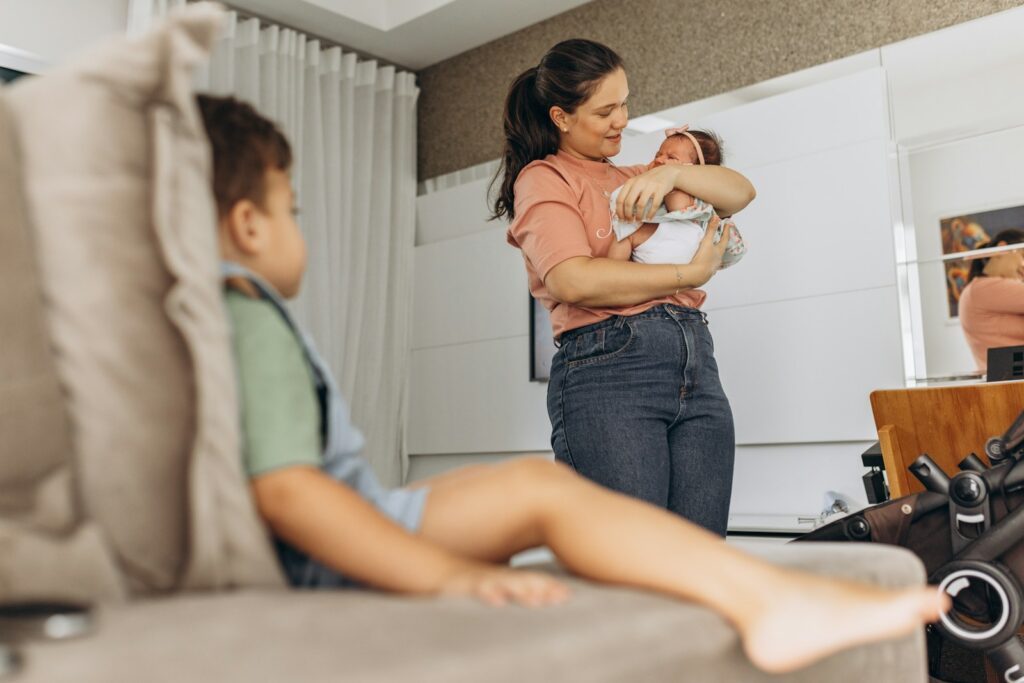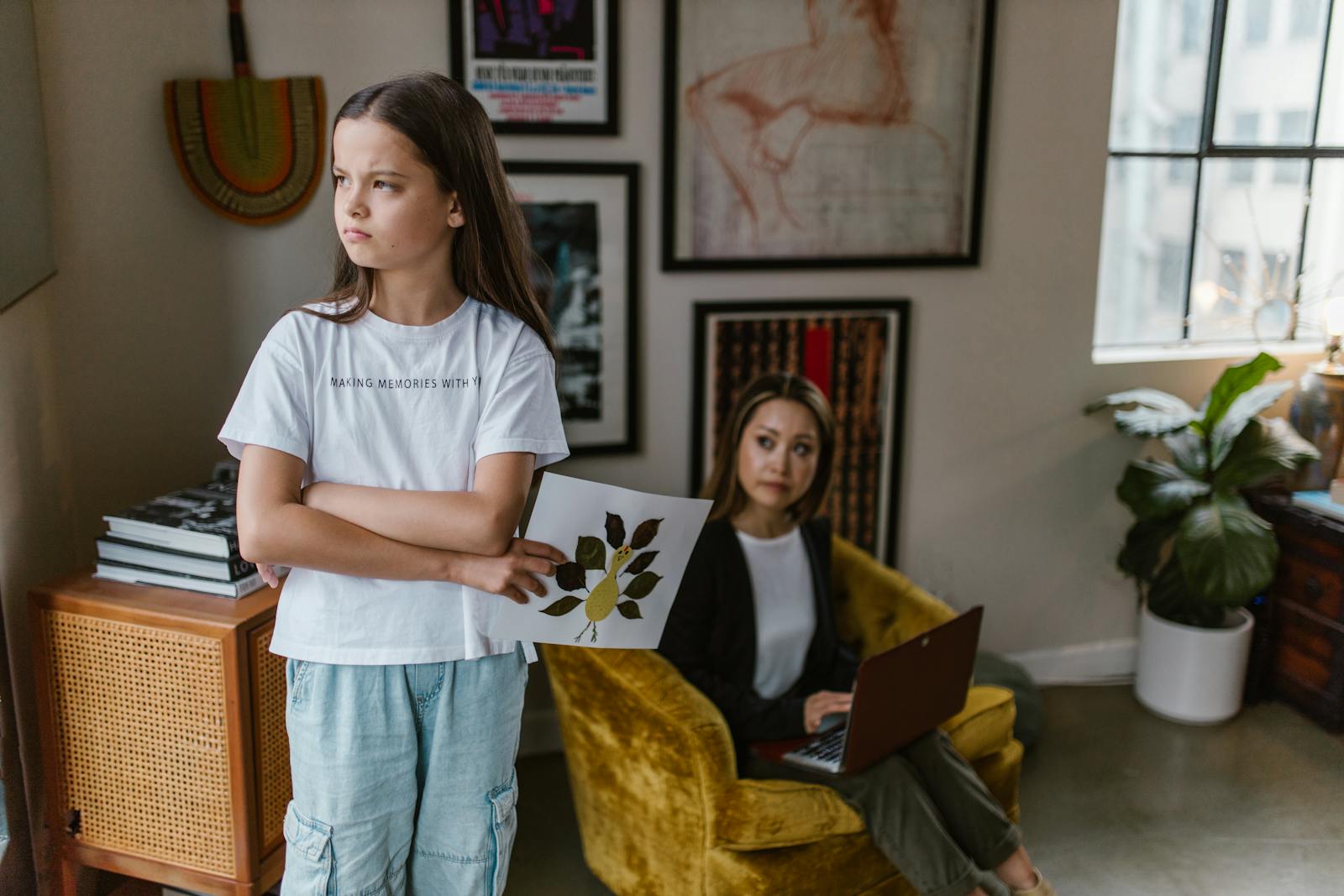
You used to worry about running out of excitement and becoming predictable. After kids arrived, the worry shifted: now you watch the world their childhood will inherit and feel a different kind of dread. The core fear many moms carry today is that the environment—online dangers, social pressures, climate uncertainty, and widening inequality—will make childhood harder and less safe than the one they remember.
This piece shows how that shift from fearing boredom to fearing the world manifests in daily choices, parenting conversations, and long-term hopes. It will explore what moms worry about most now and why those fears matter for how they raise their kids.
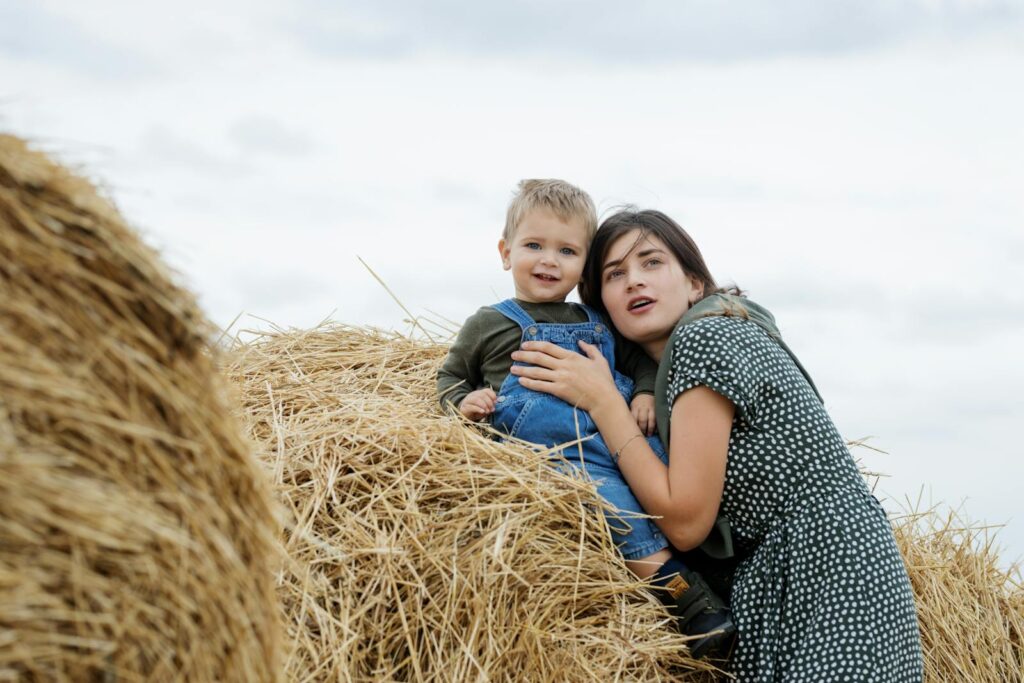
From Boredom to Anxiety: How Motherhood Reframes Fear
Mothers often trade fears of an uneventful life for worries about the risks their children will face. These concerns center on safety, social pressures, and the long-term environment a child will grow up in.
The Evolution of Parental Worries
Before kids, many feared losing spontaneity or quiet weekends. After children arrive, fear pivots toward daily responsibilities: sleep regressions, feeding struggles, and juggling work with school runs. Practical worries stack quickly—finding reliable childcare, managing medical appointments, and protecting a child from accidents.
Emotional concerns follow. Parents notice their own low energy or impatience and worry it will affect attachment or behavior. That worry often becomes a loop: lack of sleep worsens mood, which increases fear about parenting competence. These everyday pressures reshape previously abstract anxieties into concrete, recurring problems that demand solutions.
Fears About the World Our Kids Inherit
Today’s fears often focus less on personal boredom and more on the environment and society children will inherit. Mothers cite climate change effects, school safety, and online risks as top concerns. News cycles and social media amplify rare but frightening events, making them feel more immediate.
This leads to behavioral shifts: limiting outdoor activities during poor air-quality days, vetting apps and devices, or debating school choices based on perceived safety. Those actions reflect a desire to control external threats that are largely systemic. Each decision carries trade-offs—safety versus independence, protection versus resilience—as children grow up navigating a complex world.
Shifting Focus From Self to Children
The psychological shift is stark: priorities move from personal ambitions to a child’s future stability and well-being. Career planning adjusts around school calendars. Leisure expenses shrink while education and health costs rise. Time horizons lengthen; parents think in decades, planning college funds, vaccination schedules, and emergency contacts.
Identity also changes. Hopes about personal growth get reframed as hopes for a child’s character and opportunities. That reframing intensifies fear when prospects for the future feel uncertain. Practical steps—creating routines, seeking community support, and learning risk-assessment—help parents feel more prepared as their children grow up.
What Are Moms Most Afraid Of Today?
Moms report acute worries tied to safety, identity, and the pace of change around their children. Many fears center on concrete threats—online predators, school violence, and mental health struggles—plus the subtler stress of children growing up before they’re ready.
Raising Teenagers in an Unpredictable World
Moms worry about physical safety and emotional safety when teens leave the home more often and spend hours online. They fear shootings, car accidents, and stranger danger, and they also fret over sexting, cyberbullying, and exposure to violent or sexual content on social platforms.
Practical steps most parents try include limiting unsupervised screen time, using parental controls, and having clear rules about dating and curfews. Many also push for open conversations about consent, substance use, and online boundaries so teens have scripts for risky moments.
Community-level concerns matter too. Moms track local crime reports and school policies, and they weigh the safety of extracurriculars and ride-sharing. These concrete checks help them feel more in control of an otherwise unpredictable landscape.
The Fear of Growing Up Too Fast
Moms watch milestones arrive sooner—first phones, earlier dating, and adult-style stress from grades, college prep, and social media. They fear their kids will lose childhood curiosity and play as responsibilities pile up.
This fear shows up as resistance to overscheduling and an effort to preserve unstructured time. Parents often prioritize weekend play, family dinners, and limit academic or athletic commitments that push children into adult roles before they’re ready.
They also worry about identity formation when kids encounter sexualized images and adult conversations online. Moms try to slow the pace by modeling age-appropriate expectations and protecting younger teens from content and pressures meant for older audiences.
Navigating the Pressures Facing Today’s Kids
Academic pressure, college admission competition, and a 24/7 social spotlight create constant stress for children and alarm for moms. Anxiety and depression rates in teens worry parents who remember a less pressured adolescence.
Moms push for mental health supports: therapists, school counselors, and routines that promote sleep and exercise. They advocate for reduced homework loads or pass/fail options when stress peaks, and they coach kids in time management and coping skills.
Peer dynamics and identity pressures—gender, sexuality, and belonging—add layers. Moms often educate themselves, join parent groups, and work with schools to ensure inclusive, supportive environments that help kids navigate those pressures without losing their sense of self.
More from Decluttering Mom: