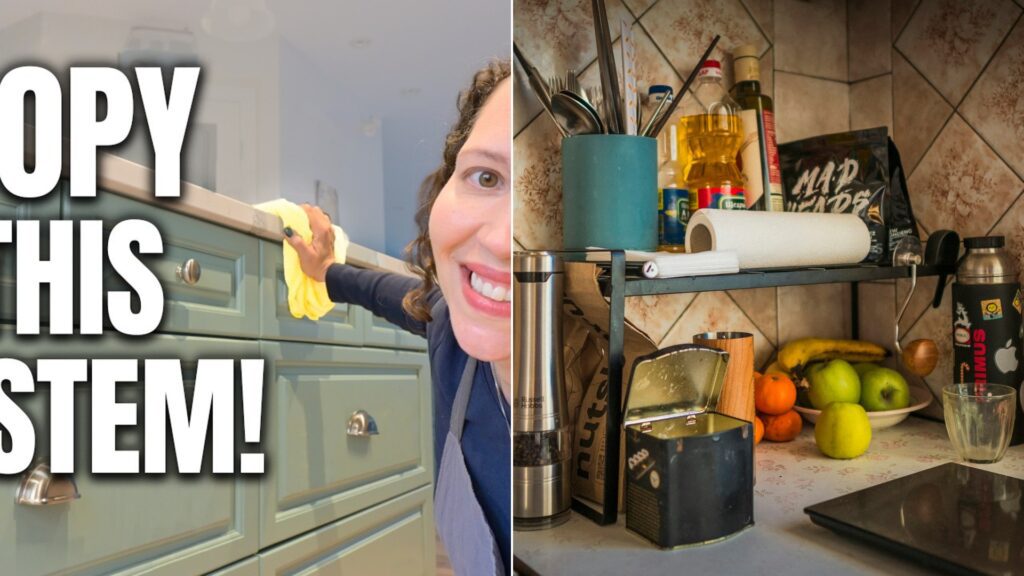
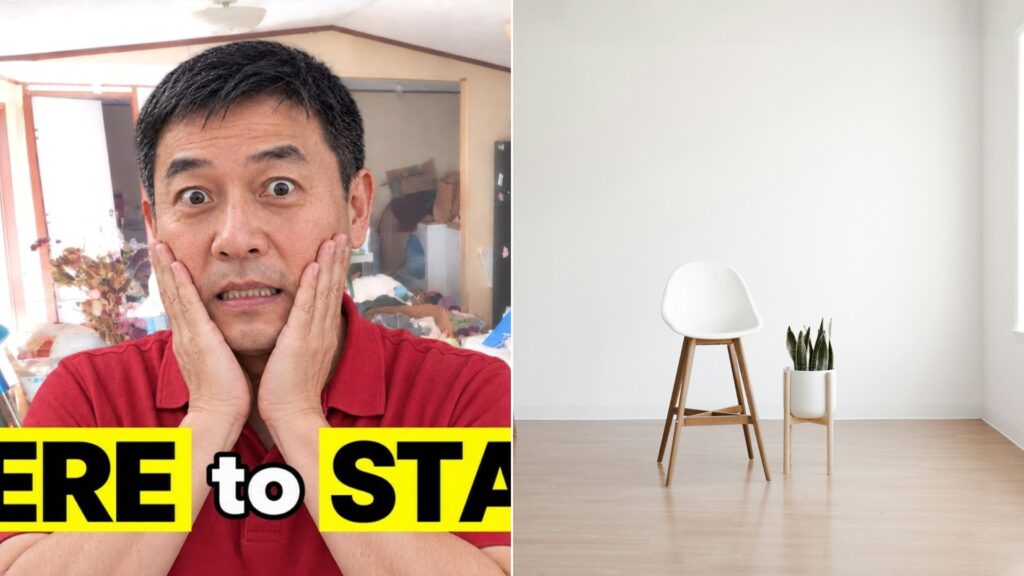
Most of us know the feeling. The garage is full, the closet door will not shut, and a Saturday morning drive to the donation center sounds like the easiest fix in the world. One home-organizing creator at The Japanese Method wants you to pause before you load the trunk, because she says most of what is in those bags is not going to help anybody.

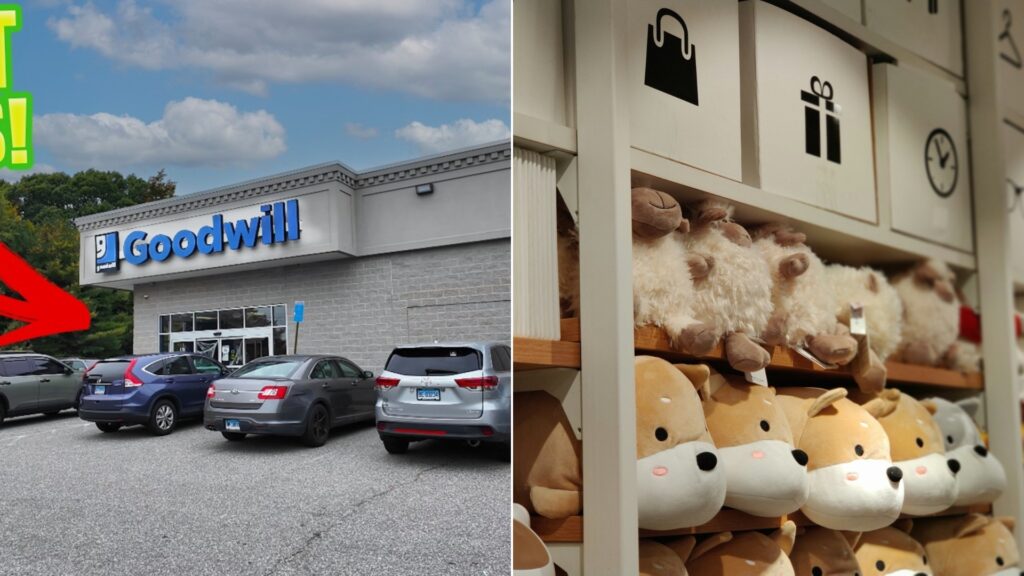
Her claim is blunt. Donation centers, she says, are taking in far more than they can sell. A great deal of what gets dropped off never makes it onto a shelf at all, and the charity then pays by the pound to have that portion hauled to the landfill. Some of them are even renting warehouse space just to hold the overflow.
In other words, the bags sitting in your hallway are not filling a shortage anywhere. According to the creator, they are being added to a pile that somebody else now has to sort through and pay to get rid of.
The Good Stuff Still Belongs in the Donation Bin
She is quick to say she is not against giving. A winter coat in decent shape, a working toaster, or a sturdy chair somebody can carry out and use that same evening are all genuinely worth donating. Those items sell within a week or two, she says, and the money does real work in your own town.
What goes wrong is treating the whole pile as one thing. She describes a wedding gift, a broken lamp and a $200 power tool all ending up in the same trunk on the same morning, as if they were a single category called “gone.”
Why Pricing Your Stuff First Pays Off
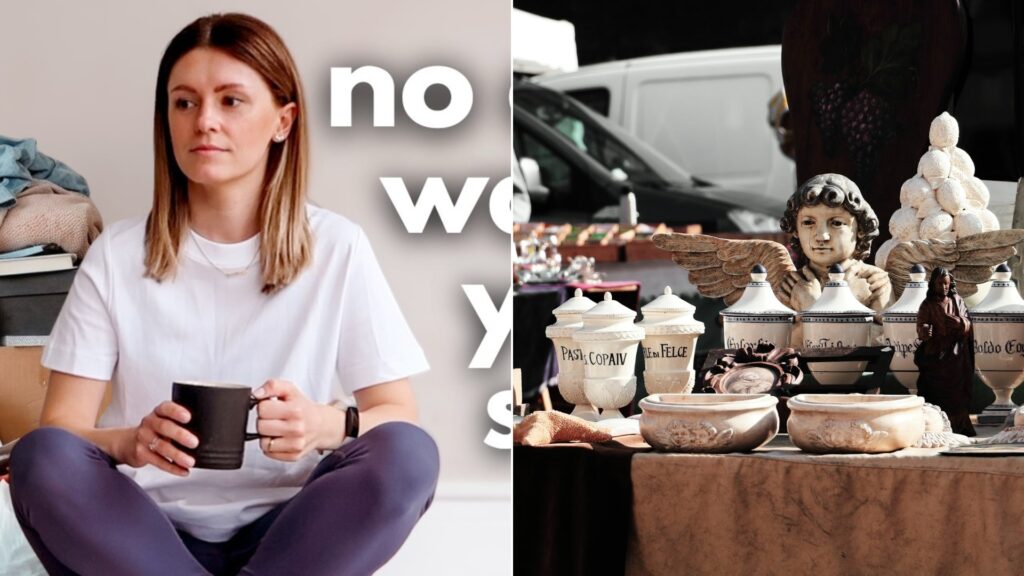
Her advice is to put a price on your belongings before you move them, even when the answer turns out to be zero. She points out that you paid for all of it, and that most houses hold somewhere between $2 and $5,000 of working equipment that is sitting idle. Think of the food processor, the second television, the camera you replaced with a phone, the golf clubs and the bread machine.
Many of these things were bought over about 15 years, she says, when buying a new gadget felt like the answer to something. Nobody was being foolish. You bought a bread machine because bread machines were what people bought that year, used it 11 times, and then it landed in the cabinet above the refrigerator, where it has been ever since.
She also takes on the idea that asking for money is embarrassing. Nobody feels that way about selling a car, she says, and a $40 dresser is the same transaction with a smaller number attached. Selling is more work than donating, and she admits it. Putting a box in the trunk takes four minutes, while selling a dresser can take a week of messages.
Her Simple Number Rule
Her system is easy to remember. Pick a dollar figure that feels right to you and treat it as a rule, not a suggestion. Anything you believe is worth more than your number gets listed with a two-week deadline, because an item that has not sold in two weeks is not going to sell at the price you have in your head.
Anything below your number that is still clean and useful gets donated the same day you decide, with no second look. Anything below your number that is broken, stained or out of date is disposed of by you, at your own expense. She says the donation bin is tempting because it accepts all three categories without ever asking you to tell them apart.
Her short list of things truly worth the effort of selling is real wood furniture, collectibles, working power tools, electronics from roughly the last five years, and good clothing with a label people recognize. She also warns against losing entire months to selling a pine dresser to people who want it for half price, along with the two who agree on a time and never show up.
What Selling Teaches You
She argues that handling each item once more changes the person doing the decluttering. A box that leaves the house unopened leaves you the same person who filled it, which is why she says so many people declutter the same house three times in ten years. The lesson sinks in around the fourth time you look up an object, see that it sells for $11, and remember you paid $90.
There is a practical bonus too. Once you know what used things sell for, she says, you also become a smarter buyer. A tile saw that costs $140 new might go for about $40 used, and you will know exactly where to look.
She also tells the story of a lawn mower she sold years ago to a man with a trailer who asked about the carburetor. That mower, she says, gets serviced every spring, while a free one left at the curb would likely have been run until it quit and tossed. People tend to value what they paid for, so a dresser sold for $30 is more likely to stay in service than one given away.
Think About Who Deals With It Next
One of her most pointed reasons is about the people at the donation counter. She describes a volunteer in her mid-70s who helped her carry 11 bags in from the car about 12 years ago. On the drive home, she realized she had not decluttered anything. She had simply handed the decisions she had avoided for years to someone else, for free.
The same goes for the family you leave behind. She suggests writing down the five things in your home that are worth real money, putting a rough figure next to each, and telling one person where that list is. She says it takes about ten minutes, and it saves your children from guessing in a house full of belongings during a very hard week.
Where to Start This Weekend
She does not want anyone pricing the whole house in one exhausting Saturday. Her suggestion is much smaller. Take five things off the pile tonight and look up what each one is worth, which she says is about 15 minutes of your evening.
She also offers three quick questions for anything that does not fit her rules. Are you donating this because somebody will want it, or because deciding about it is harder than driving it across town? Would you feel relieved or foolish if it sold for $30 tomorrow? Is the next owner someone who went looking for it, or someone who just happened to walk past a shelf?
Her closing point is that every object in your house gets priced eventually by somebody. The only thing that changes from one house to the next is whether you are the one standing in the room when it happens.
More Stories You May Like
- Professional Organizer Lists the Bathroom Items to Get Rid of as Soon as Possible Before They Cause Problems
- How to Thrift Things That Actually Sell Is Explained by a Reseller Who Says Most People Buy the Wrong Items
- Professional Says You Do Not Need Another Bin You Need Six Decluttering Rules That Actually Work