Packing a school lunch looks simple. Sandwich, fruit, a cookie, zip the bag and send the kids off to catch the bus.
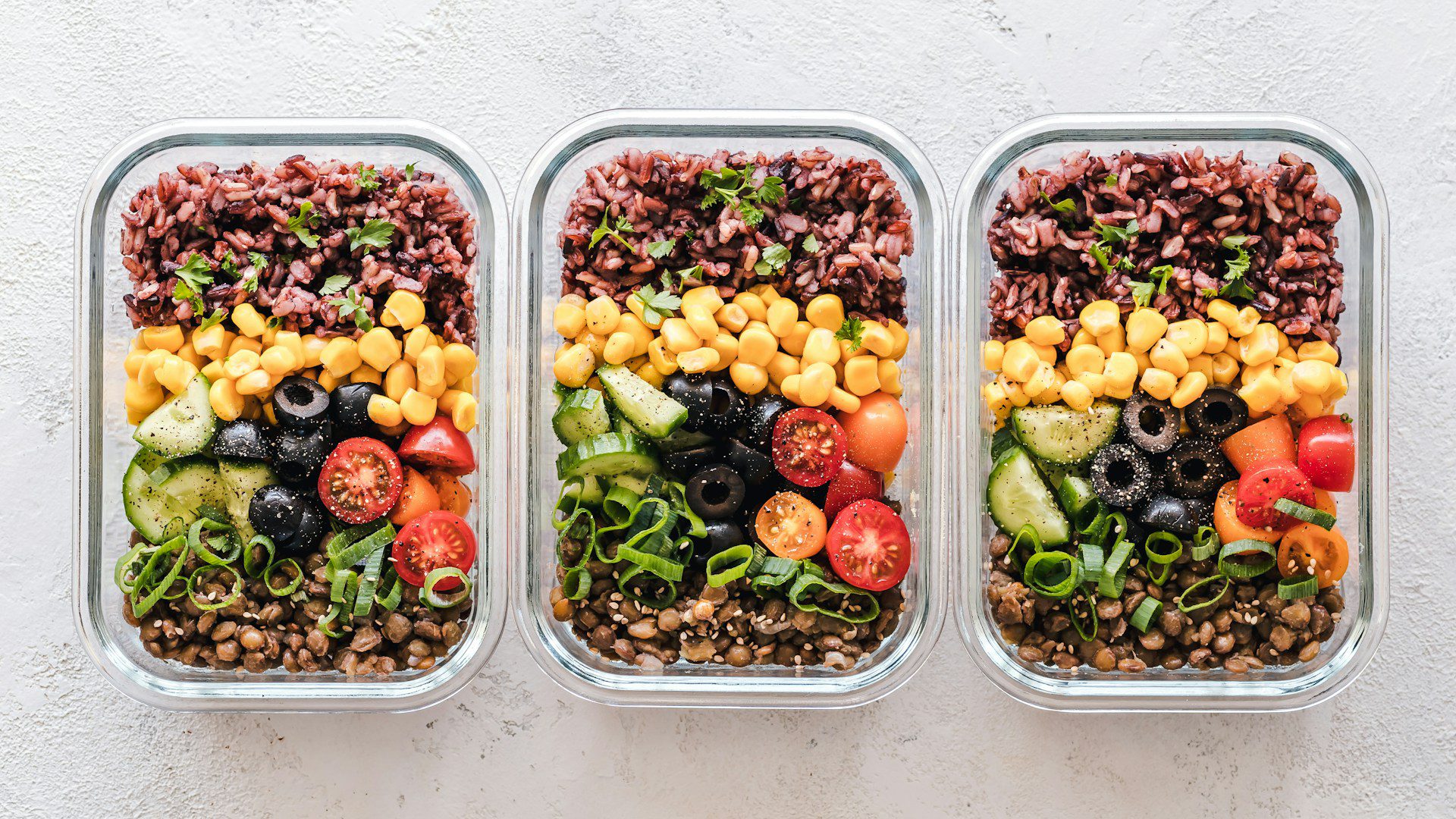
The trouble is the hours between the kitchen counter and the cafeteria table. The U.S. Department of Agriculture has plenty of advice on keeping that lunch safe, and the rules are easy to follow once you know them. Here are 10 to check, drawn from the USDA Food Safety and Inspection Service guide to keeping bag lunches safe and a 2025 USDA back-to-school reminder.
Know The Danger Zone Between 40 And 140 Degrees
The USDA Food Safety and Inspection Service says harmful bacteria grow fastest between 40°F and 140°F, a range it calls the Danger Zone. Keep cold food cold and hot food hot, and you stay out of it.
Perishable food should not sit out for more than 2 hours, according to the agency, or more than 1 hour when the temperature is above 90°F. A hot car or a warm classroom cubby counts.
Pack Two Cold Sources In Every Lunch
The agency advises including at least two cold sources. That could be two frozen gel packs, each no smaller than 5 by 3 inches, or one gel pack plus a frozen juice box or frozen water bottle.
The guide suggests freezing gel packs overnight and placing one on top of the food and one on the bottom. Freezing a sandwich helps too, with mayonnaise, lettuce and tomatoes added after thawing.
Use An Insulated Lunch Box, Not A Paper Bag
In its 2025 reminder, the USDA says to use an insulated lunch box because paper bags tear and leak as cold items thaw, letting cold air escape. The Food Safety and Inspection Service guide recommends an insulated, soft-sided bag or lunch box if possible.
A lunch box with a good zipper is one of the best small investments a parent can make. It keeps cold air in and keeps the gel packs working.
The USDA also says to clean and sanitize lunch boxes regularly.
Chill Cooked Foods Before They Go In The Bag
For turkey, ham, chicken, and pasta or vegetable salads, the agency says to cook ahead so the food chills thoroughly in a refrigerator at 40°F or below. Splitting large batches into shallow containers helps them cool faster.
Keep the cooked food refrigerated until you leave home. Prepare lunch the night before, the guide says, but pack the bag just before leaving.
Wash Hands And Surfaces Before You Pack
The Food Safety and Inspection Service says to wash hands with soap and warm water for 20 seconds before packing. Clean cutting boards, dishes, utensils and counters with hot, soapy water after each food.
To sanitize, the guide says to mix 1 tablespoon of unscented liquid chlorine bleach into 1 gallon of water. It also advises keeping pets away from kitchen counters.
Keep Raw Meat Away From Ready-To-Eat Foods
The USDA’s 2025 reminder calls for separating raw meat and poultry from fruits, vegetables and other ready-to-eat foods, and throwing away any containers or bags that held raw items.
The earlier guide adds that a cutting board used for raw meat or poultry should be washed before it touches bread, lettuce or tomatoes. It suggests separate boards for produce and for meat.
Keep Hot Lunches Hot With A Boiling Water Trick
For soup, chili or pasta, the guide says to fill an insulated container with boiling water and let it sit for a few minutes. Empty it, add piping hot food, and keep the lid closed until lunchtime.
The aim is to keep the food at 140°F or above, the USDA says. If you reheat leftovers in the microwave, the agency says to cover them and heat to at least 165°F, confirmed with a food thermometer.
Pack Only What Will Be Eaten
The agency advises packing only the amount of perishable food you expect to be eaten at lunch, so there are no leftovers to store. Little appetites change day to day, so start small.
A smaller portion also means less to worry about at the end of the day. Grandparents who help with school mornings will find this rule easy to follow.
If your school has a refrigerator, the guide says to put perishables in it right away, with the lunch box lid open so cold air can reach the food.
Choose Shelf-Stable Foods For Easy Wins
Some foods need no cold source, according to the Food Safety and Inspection Service. The guide lists whole fruits and vegetables, hard cheese, canned meat and fish, chips, bread, crackers, peanut butter, jelly, mustard and pickles.
Prepackaged combos with luncheon meat, cheese or cut fruit still need refrigeration, even if they are cured or contain preservatives.
Toss The Leftovers And Never Reuse Packaging
After lunch, the guide says to throw away leftover food, used packaging and paper bags. Reusing packaging can spread contamination.
The USDA’s 2025 reminder says to discard leftovers that have been in the 40°F to 140°F range for more than two hours. For questions, it lists the USDA Meat and Poultry Hotline at 1-888-674-6854.
More Stories You May Like
- Buying Back To School Clothes Before Kids Try On Last Year’s Wardrobe Means Duplicates And Growth Spurt Waste, So Check What Fits And Buy In Stages
- Keeping Every School Paper And Art Project Backfires Fast, So Try One Box Per Child And Photograph The Rest To Stop The Paper Avalanche
- Kids Tablet Games Can Run Up Charges On Your Account Through In App Purchases, So Turn On Purchase Approvals Before You Hand Over The Device