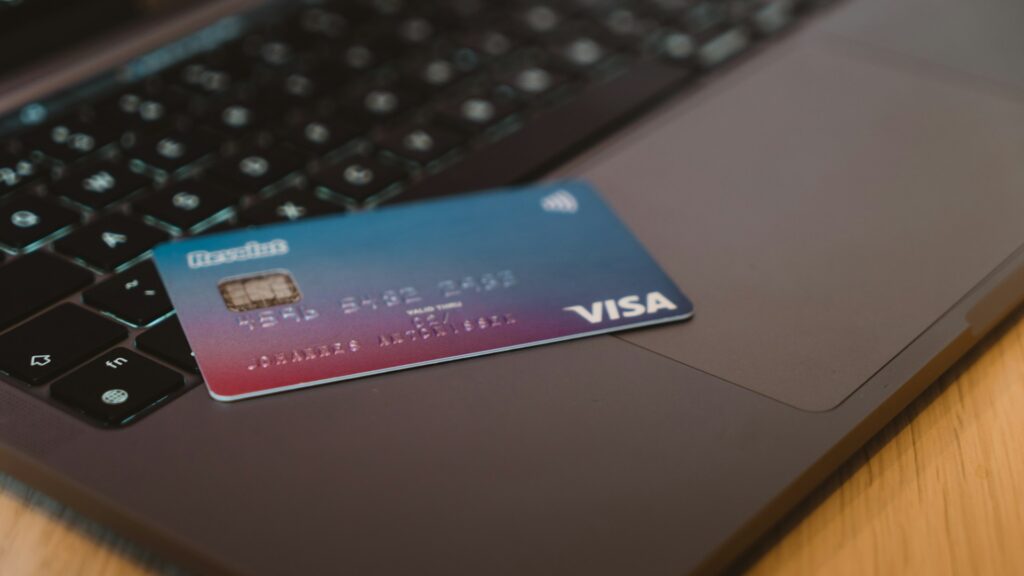
Nobody minds a freebie. A free trial of a magazine, a streaming service, a skin cream or a gadget sounds like a nice way to test something at no cost, and that is exactly why so many people say yes in a hurry.
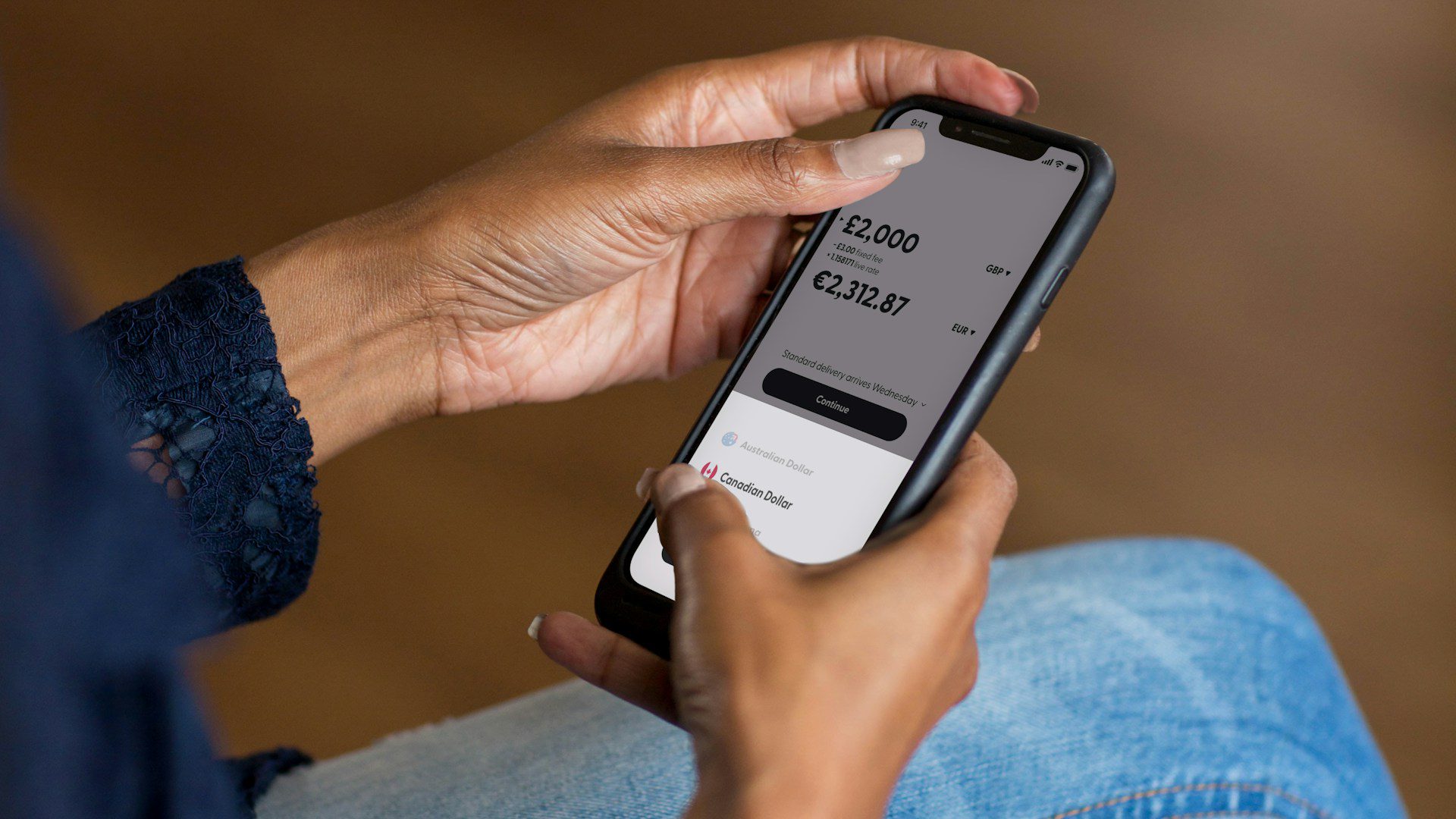
Free is a powerful word. It makes us relax, and a relaxed shopper tends to skim the details that matter most.
The trouble starts when the free period ends and the charges begin. In a December 17, 2009 release titled FTC, Visa, and BBB Partner to Educate Consumers About Free Trial Offers and Online Scams, the Federal Trade Commission laid out what shoppers should check. Here are 8 rules worth taping to the refrigerator.
Know What A Negative Option Really Means
The FTC explains that a negative option is a free trial feature in which a company treats your failure to cancel as permission to start charging you for the product or service. In plain words, silence becomes a yes.
The agency adds that many merchants use this billing process appropriately. Others do not, which is why the next seven rules matter.
Some merchants pre-check consent boxes, bury offer details in fine print, or make cancellation difficult, according to the FTC. Any of those can lead to recurring charges you did not want.
Read Every Word Of The Terms And Conditions
The FTC’s first piece of advice is to read all the terms and conditions. The goal is to make sure a free trial does not turn into a costly purchase you never meant to make.
It feels tedious, but a few minutes with the fine print is cheaper than months of surprise charges. If the terms are long, look for the sections on price, length of the trial and cancellation.
If you are on a phone with tiny print, wait until you can use a larger screen. Nothing about a free trial is so urgent that it cannot wait ten minutes.
Check Every Box Before You Hand Over Your Card
The FTC warns about pre-checked boxes. Before you submit payment card information, it says, look at every box on the page, because leaving a pre-checked box in place may bind you to terms you do not want.
That small square near the bottom of an order form can be the whole deal. Uncheck what you did not choose, and read the line beside it.
Take your time on the final page before you press the button. Once your card number is in, the company has what it needs to start billing.
Find The Cancellation Policy And The Deadline
The FTC release tells shoppers to note the cancellation policy and any deadlines. Miss the date and the trial may roll into a paid subscription.
Put the deadline on your phone calendar the day you sign up, with a reminder a couple of days ahead. Write down how to cancel too, whether that is a phone number, an account page or a mailing address.
Many of us have paid for a month or two of something we forgot about. A calendar reminder is a simple fix.
Treat Hidden Costs As A Warning Sign
The FTC stresses that legitimate marketers clearly disclose costs and cancellation terms up front. If those details are missing or buried, that is a signal to walk away.
A good offer can stand being explained out loud. If the price after the trial is hard to find, ask yourself why.
Honest sellers have nothing to hide about price. When a company makes the cost easy to find, you can decide with a clear head.
Review Your Card Statements When They Arrive
After you sign up, the FTC says to review your card statements when they arrive, looking for unauthorized or unusual charges. A small monthly amount is easy to overlook among groceries and gas.
Make it a habit to read the whole statement, not just the total. Circle anything you do not recognize and look into it right away.
Keep an eye on every card you own, including the one you only use online. A small charge on a card you rarely check is easy to miss.
Tell Your Card Issuer About Strange Charges Fast
The release urges consumers to notify their card issuer promptly about any unusual activity or unauthorized charges. Waiting only gives a questionable charge more time to repeat.
The phone number is printed on the back of your card. Calling it is free, and the people there handle these questions every day.
Have the date and amount of the charge in front of you when you call. Ask what steps the issuer takes to look into it.
Know The Order To Fix A Problem
The FTC lays out the steps if something goes wrong. First, try to resolve it with the merchant. If that fails, contact your card issuer right away to dispute the charge.
Then report the experience to the FTC at ftc.gov/complaint or to your local Better Business Bureau at bbb.org. Reports help investigators spot patterns, and they put your complaint on record.
The release also points to visa.com/negativeoption for more information. Keep any emails, receipts or screenshots from the sign-up, since they make your case easier to explain.
A free trial can be a fair way to try something new. With these 8 habits, you decide when it ends instead of the company deciding for you.
More Stories You May Like
- All Or Nothing Screen Time Rules Tend To Backfire, So Try Clear Daily Routines And Device Free Zones Like The Dinner Table And Bedrooms
- Two Estate Sales Turned Up Four Games And A Manual For $15, A 50¢ Movie And Pricey Underwear Before A Trip To See Giant Recycled Trash Trolls
- Ebay Moved USPS Ground Advantage To ZIP Code Zone Pricing On October 18 And 7,625 ZIP Codes Left Standard Rates, So Free Shipping Sellers Need To Recheck Their Math