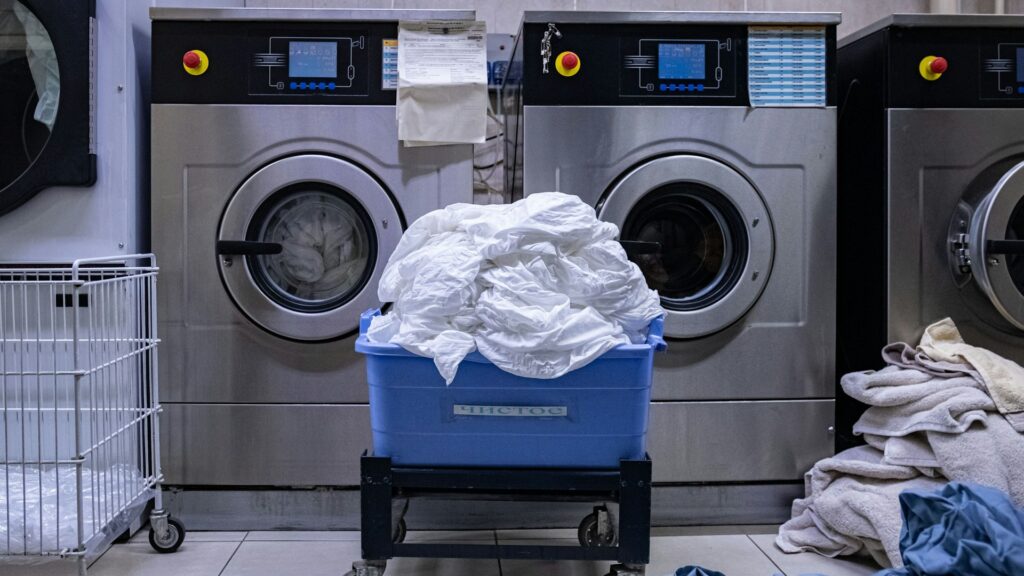
When the air conditioner groans, the dryer takes two cycles to dry a load, or the refrigerator hums nonstop, most of us start shopping for a replacement. Sometimes that is the right call.
But before you do, a few free or nearly free chores may be worth a look. The U.S. Department of Energy, the U.S. Fire Administration and other named sources have published plain maintenance advice for these big workhorses, and here are 10 tasks from their guidance.
Notice that none of these tasks need special training. Most take a few minutes and a screwdriver, a stiff wire or a sheet of paper.
They also share something else. Each one is about airflow, heat or lint, the quiet things that make a machine work harder than it should.
Swap The Air Conditioner Filter Every One To Two Months
According to the Department of Energy’s page on maintaining your air conditioner, filters should be replaced or cleaned every one to two months during the cooling season. Check them more often if the unit runs constantly, the air is dusty or you have pets that shed.
The department says a clean filter can cut energy use by 5% to 15%.
Give The Indoor Coil A Yearly Inspection
The same Energy Department page says to inspect the evaporator coil once a year and clean it when needed. Dirt buildup on this coil reduces airflow and its ability to absorb heat.
Keep Two Feet Of Clear Space Around The Outdoor Unit
The Energy Department says to clean the condenser coil of the outdoor unit if dirt or debris collects on the fins, especially in dusty areas or near trees. It also recommends keeping at least 2 feet of clear space around the unit by trimming plants and clearing debris.
This one is easy to forget because it hides in a corner. A quick look when you change the filter keeps it from becoming a surprise.
Clear The Condensate Drain Before It Backs Up
The department advises occasionally clearing the drain channels with a stiff wire. Clogs, it warns, can stop dehumidification and cause moisture damage to walls or carpet.
Check The Seal On Your Window Unit At The Start Of Summer
For room units, the Energy Department says to check at the start of each cooling season that the seal between the unit and the window frame touches the unit’s metal case, so cool air does not escape. It also suggests covering or removing room units in winter and covering the outdoor part of a central system.
The dryer comes next, and it is the one where the stakes are highest, so give it your full attention.
Clean The Dryer Lint Filter Before And After Every Load
The U.S. Fire Administration’s clothes dryer fire safety flyer says to empty and clean the lint filter before and after every load. It also says never to run the dryer without its lint filter, and that you are at higher risk of a dryer fire if you do not clean the filter and vents.
Look Behind The Dryer For Lint And Crushed Vents
The same flyer tells readers to remove lint from the rear of the appliance, where it tends to collect. It also says to check the vent behind the dryer for damage, crushing or blockages, and to confirm that the outdoor vent flap opens while the dryer is running.
Now to the kitchen, where the refrigerator runs around the clock and rarely gets a second glance.
Test Your Refrigerator Door Seal With A Sheet Of Paper
The Energy Department’s guide to kitchen appliances offers an old-fashioned test. Close the door on a sheet of paper, and if the paper slips out easily, replace the seal.
Brush The Coils And Give The Fridge Room To Breathe
The guide says that on older models, you should keep the condenser coils clean. It notes that coil-cleaning brushes are sold at most hardware stores and that your owner’s manual explains how to clean them safely.
It also recommends leaving a few inches between the back of the unit and the wall, and keeping it away from ovens, dishwashers and direct sunlight.
Check The Temperature And Defrost A Manual Freezer
The Energy Department guide recommends keeping the refrigerator between 35 and 38 degrees Fahrenheit and the freezer at 0 degrees. It adds that manual freezers need periodic defrosting, and frost should not build up beyond one-quarter inch.
Put these ten chores on the calendar with the seasons, and the work stays small. Filters in spring, the outdoor unit in early summer, the dryer vent every few months, and the fridge door seal whenever you are cleaning the kitchen.
If the air conditioner still fails to cool the house to a comfortable temperature after upkeep, the Energy Department says to call a technician, since the system may need more than routine care.
Try setting a repeating reminder on your phone for the monthly chores. Putting the task on a schedule beats trying to remember it when something starts acting up.
A little attention now may stretch the life of the machines that quietly keep your home running, and it can keep the replacement conversation off the table for a while longer.
More Stories You May Like
- Grandparents Give $172 Billion A Year To Their Families And 90% Help Financially, Spending More Than A Typical Monthly Social Security Check
- Buying Back To School Clothes Before Kids Try On Last Year’s Wardrobe Means Duplicates And Growth Spurt Waste, So Check What Fits And Buy In Stages
- Just Over One In Five Americans Borrowed Money To Pay For Christmas 2025 And 77% Of Them Used It For Gifts, So Rethink The Pile Of Presents That Becomes Clutter