

Most of us know the feeling of standing over a trash can with an old toaster, a stack of paperbacks or a box of worn-out shirts. It is so easy to toss it all and call it done.

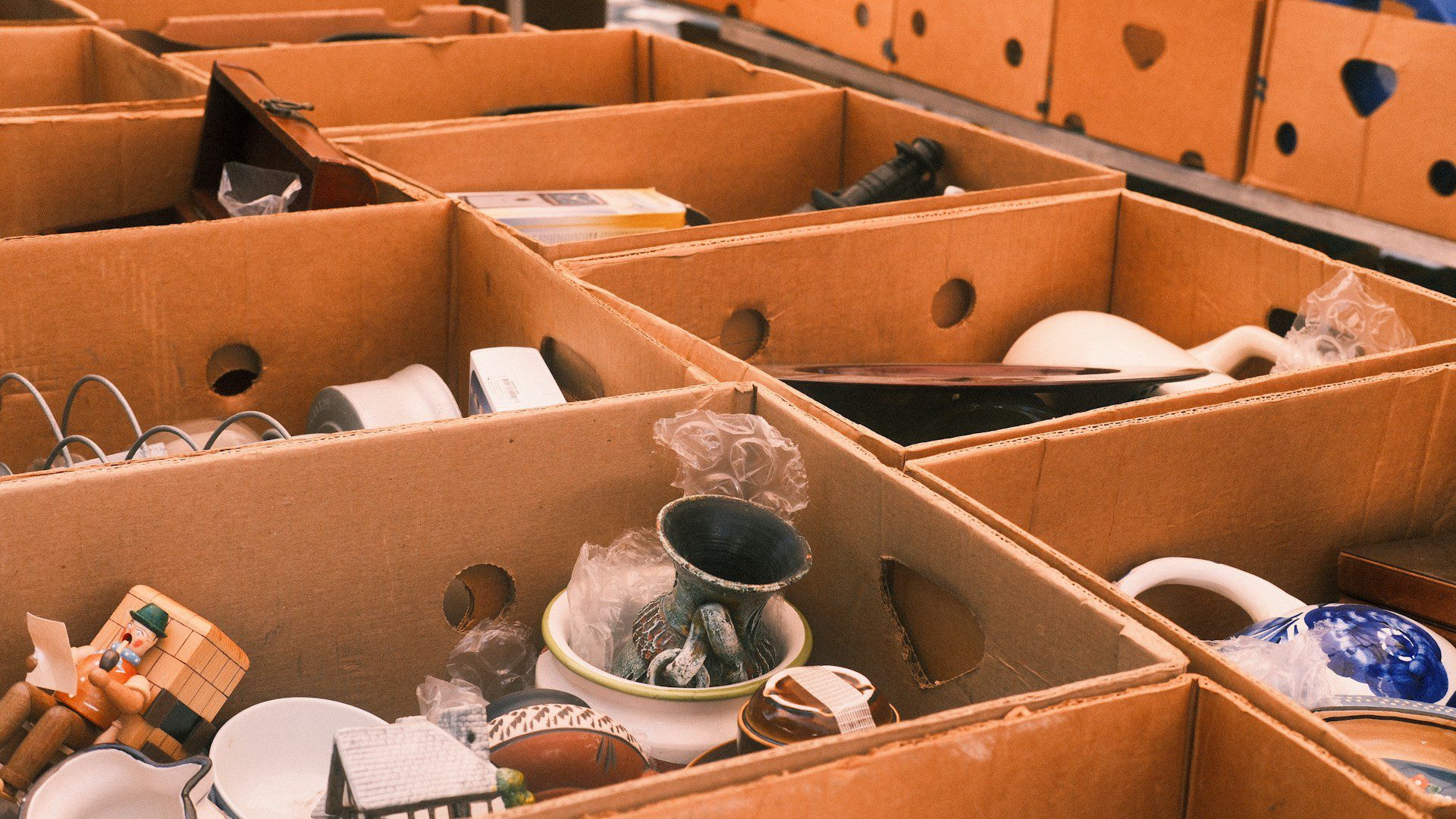
The U.S. Environmental Protection Agency has a different suggestion. In its reducing and reusing basics page, the agency lists donating, selling, repairing, reusing and even borrowing as better first steps than the garbage bin.
Here are 12 everyday household items, with what the EPA and a few named organizations say you can do before they hit the curb. The EPA notes that it does not endorse the donation groups it lists, so check any local group before you drop things off.
Working Electronics Can Be Donated If You Wipe Them First
The EPA’s electronics donation and recycling page says manufacturers and retailers offer donation and recycling options, and it points to Call2Recycle, Earth911 and Greener Gadgets as places to search.
Its first instruction is plain: “Delete all personal information from your electronics.” The agency also says to remove batteries, since lithium-ion batteries should not go in household garbage or recycling bins.
An Old Computer May Only Need An Upgrade
Before you retire a laptop or desktop, the EPA suggests upgrading its hardware or software instead of buying a new product. That can mean keeping a machine you already own for longer.
If it truly has to go, the agency recommends choosing a certified electronics recycler when possible and explains what certification means on its Certified Electronics Recyclers page.
Clothes Have Several Lives Before The Trash
The EPA lists clothing under donate, repair and reuse. Local churches, community centers, thrift stores, schools and nonprofits may accept clothes, and the agency names Goodwill and ClothingDonations.org, a service of Vietnam Veterans of America.
Clothing that is too worn to give away can still be repaired or reused, which the EPA lists as old clothing put to a new purpose.
Appliances Can Be Sold, Donated Or Repaired
The EPA says to consider selling unwanted appliances, tools or clothes instead of discarding them. It also lists appliances among the things worth repairing so they are not thrown out and replaced as often.
Habitat for Humanity says its ReStores accept used appliances, and most offer pickup that you can schedule through your local store.
That Extra Dresser Or Sofa Might Find A Second Home
Furniture appears on the EPA’s donate list, alongside appliances, tools, clothes, books and working electronics. Local churches, community centers, thrift stores and nonprofits are the types of places it names.
Habitat for Humanity says ReStores take used furniture, and donation criteria and hours vary, so contact your local store before dropping anything off.
Leftover Tools Are Worth Selling, Donating Or Even Sharing
Tools show up three times in the EPA’s guidance. They can be donated, sold, or borrowed, rented or shared instead of bought and stored.
If you only use a tool once every few years, the borrow-and-share advice may save you money and shelf space in the first place.
Leftover Building Materials Can Help A Neighbor
The EPA recommends giving building materials to Habitat for Humanity ReStores. Habitat says ReStores take salvaged renovation materials and surplus construction products.
The money from sales helps Habitat work with local families to build, rehabilitate and repair affordable homes, according to the organization.
Paperbacks And Hardcovers Are On The Donate List
Books are specifically named by the EPA among items that local churches, community centers, thrift stores, schools and nonprofits may accept.
A quick call ahead can tell you which groups are taking books right now. Boxing them up for a school or community center is far easier than hauling them to the curb, and someone else gets to enjoy the story.
Unopened Food Can Go To A Food Bank
The EPA says unused food can be donated to food banks or shelters. That includes the extra cans and boxes that crowd a pantry shelf.
It is a small act that keeps good food on a table instead of in a landfill. Check the dates on each item before you pack the box.
Worn Tires Are On The EPA’s Repair List
Tires appear next to clothing and appliances in the EPA’s list of items to repair so they are not thrown out and replaced as often.
Repairing instead of replacing is one of the ways the agency says you can cut waste at home.
Cloth Grocery Bags Are Made To Be Used Again
The EPA lists cloth grocery bags among the items to reuse or repurpose. Keeping a few in the car or by the door puts them to work for years.
The agency’s broader message is that reusing something you already own beats buying something new.
Containers Can Hold More Than Leftovers
Containers also make the EPA’s reuse and repurpose list. A sturdy tub or jar can hold craft supplies, screws or pantry staples.
Before you throw out the next one, ask whether it could do a new job in the garage or the kitchen.
The EPA also suggests buying used when you can, which reduces waste and the emissions from making new materials. Together, these twelve habits give almost everything in your home a second chance.
More Stories You May Like
- Estate Sale Companies Can Take A Big Cut, And Tossing Items Before Checking Their Value Costs Families, So Get More Than One Opinion And Read The Contract
- Overpriced Kids Clothes And Toy Listings Just Sit Unsold, So Price Against Sold Listings, Bundle Items And Shoot Your Photos In Good Light
- Declutterer Admits Buying Way Too Much Stuff Six Years Ago And Is Now Purging Everything Before The Big Move