You don’t need a green thumb to get satisfying results; pick a few truly easy vegetables and your first-time garden will start paying you back quickly. Choose quick-starting crops like lettuce, radishes, and green onions for fast wins, then add productive staples such as beans, potatoes, and Swiss chard to keep the harvest coming.
Planting a mix of speedy, low-maintenance vegetables for beginners helps you build confidence and learn simple care routines without wasting time or space. The rest of the article shows which easy-to-grow vegetables give the biggest returns, how to get effortless early success, and which versatile crops make your first vegetable patch consistently productive.
Quick-Starting Vegetables for Effortless Results
These crops give fast feedback and steady yields with basic care: quick-germinating seeds, shallow-rooted seedlings you can thin, and cool-season greens that tolerate light frost. Focus on soil that drains, consistent moisture, and picking before plants bolt.
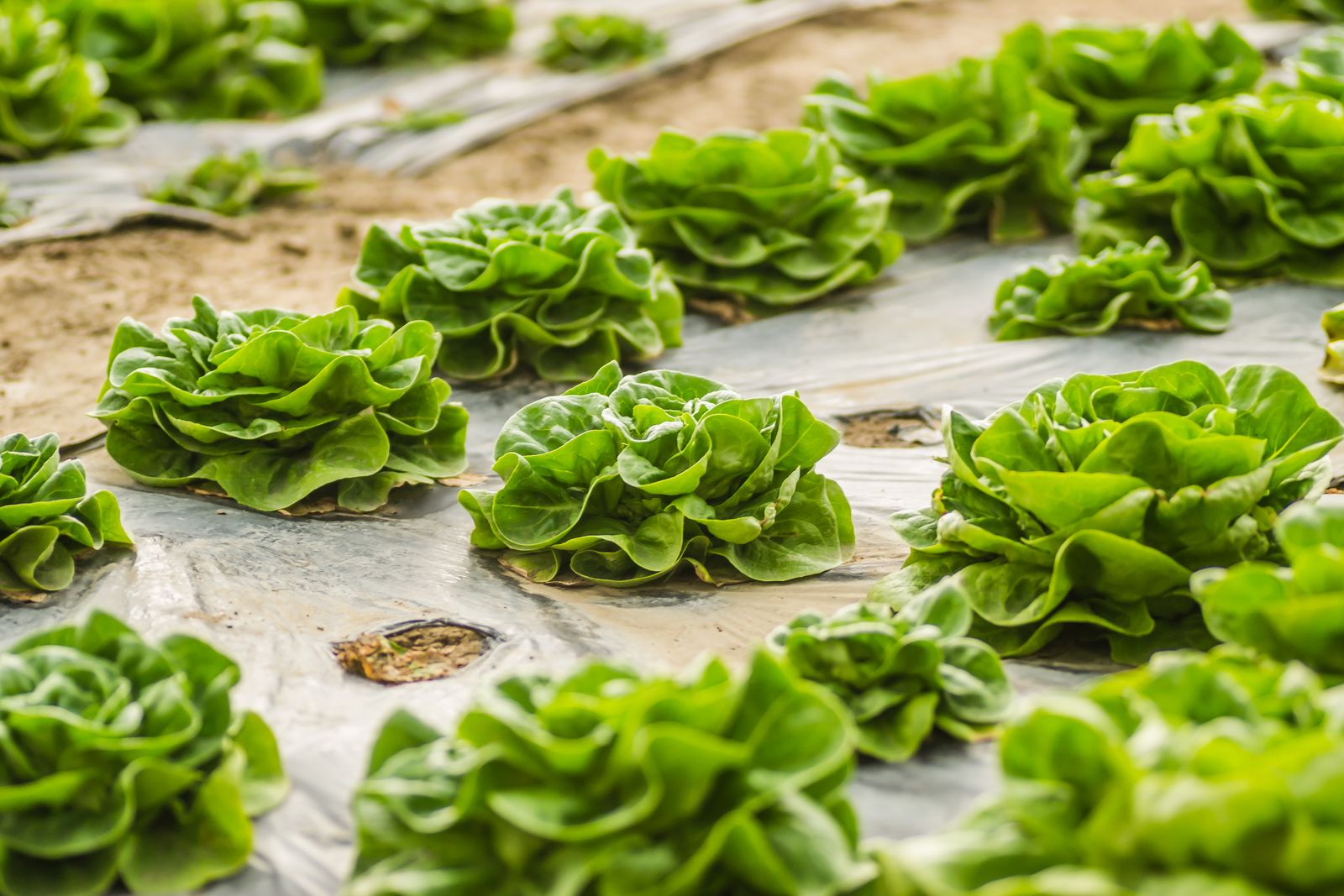
Growing Lettuce for Fast, Fresh Harvests
Lettuce germinates in 7–14 days and you can harvest baby leaves in about 3–4 weeks. Sow seeds 1/4–1/2 inch deep in well-drained, slightly acidic soil (pH 6.0–6.8). Space rows 8–12 inches for heads or sow closer for cut-and-come-again baby greens.
Water consistently; aim for moist but not waterlogged soil. Use partial sun (3–6 hours) in warm climates to slow bolting, or full sun in cool regions. Thin seedlings when they reach true leaves so each plant has room to develop — thinning to 6–12 inches for mature heads, 1–3 inches for baby leaves.
Succession sow every 2–3 weeks to avoid a single glut and to keep harvests steady. Protect young plants with light row cover if flea beetles or slugs appear. Harvest outer leaves first or cut whole heads at the base for immediate use.
Why Radishes Are the Perfect Starter
Radishes grow from seed to harvest in as little as 21–30 days, making them ideal for impatient beginners. Plant seeds 1/2 inch deep in loose, well-drained soil; thin to 2–3 inches apart so roots have space to form round, crisp bulbs.
They prefer slightly acidic to neutral soil and consistent watering; uneven moisture produces woody or split roots. Sow radishes in early spring and again in late summer — they tolerate cool weather and will bolt in hot conditions.
Use succession planting every 10–14 days for a continuous supply. Watch for flea beetles and thin seedlings promptly to prevent stunting. Pull radishes when they reach the recommended diameter for the variety to avoid pithy texture.
Green Beans and Bush Beans: Reliable Performers
Bush beans germinate in 7–10 days and start producing pods about 50–60 days after sowing. Plant seeds 1–1.5 inches deep in warm, well-drained soil once frost risk has passed. Space individual plants 2–4 inches and rows 18–24 inches apart.
Bush beans don’t need trellises and require full sun for best yields. Keep soil evenly moist especially during flowering and pod set; drought reduces yields. Avoid high-nitrogen fertilizer — beans fix their own nitrogen and excessive N produces lush foliage with fewer pods.
Harvest pods regularly to encourage continual production. Plant another round every 2–3 weeks for extended harvests. Watch for common pests like aphids; pick them off or spray with water to protect young plants.
Lettuce, Spinach, and Leafy Greens for Beginners
Leafy greens like spinach and loose-leaf lettuce thrive in cool weather and can be harvested young for quick rewards. Sow seeds in shallow furrows 1/4–1/2 inch deep; spinach prefers slightly acidic, fertile, well-drained soil and tolerates light frost.
Give greens partial sun in hot months to reduce bolting; in spring and fall they perform well in full sun. Water frequently to keep surface soil moist — uneven watering causes bitter leaves and poor growth. Thin seedlings to recommended spacing (spinach 3–6 inches, leaf lettuce 4–8 inches) to avoid overcrowding and disease.
Grow in succession and harvest outer leaves or cut-and-come-again to extend productivity. Monitor for bolting when temperatures rise and plan a fall sowing for continued harvest into cooler weather.
Links: learn more about beginner-friendly vegetable choices at this practical guide for easy crops beginners can grow.
Productive and Versatile Crops for Your First Vegetable Patch
Pick a sunny spot with well-drained, loose soil and plan for staggered sowing or transplants so you get steady harvests. Focus on a few high-yield, low-maintenance plants that suit your space—containers, raised beds, or in-ground garden beds all work.
Tomatoes and Cherry Tomatoes: Colorful Garden Staples
Tomatoes reward you with lots of fruit once established. Choose bush (determinate) varieties for containers or small raised beds and cordon (indeterminate) or cherry tomatoes for vertical garden beds where you can trellis or stake them. Start seeds indoors 6–8 weeks before your last frost date, or buy healthy transplants to shorten the learning curve.
Plant in full sun and amend garden soil with compost. Aim for slightly acidic to neutral soil pH (6.0–7.0) and ensure good drainage. Space plants 18–36 inches apart depending on variety. Water at the root zone to avoid wetting leaves and reduce blight risk; mulch helps retain moisture and suppress weeds.
Watch for blossom end rot (calcium issue) and treat by consistent watering and calcium-rich amendments if needed. Use companion plants like basil, marigolds, and chives to deter pests and improve pollination. Prune tall indeterminate vines to a single leader if space is limited.
Zucchini and Summer Squash: Abundant Choices
Zucchini and summer squash give rapid, heavy yields from a few plants—ideal for first-time growers. Sow seeds directly after the last frost in warm, well-drained soil or start in pots to transplant once seedlings have true leaves. Plant hills or in-row with 2–3 feet between plants to allow air circulation.
Keep soil rich with compost and water deeply once or twice a week rather than shallow daily watering; consistent moisture prevents bitter or spongy fruit. Scout for squash bugs and cucumber beetles early and remove them by hand. Use floating row cover until flowering to protect young plants, then remove for pollinators.
Harvest when fruits are 6–8 inches long for best flavor and continued production. Consider companion planting with nasturtiums or marigolds to reduce pest pressure and plant a few basil or parsley herbs nearby for beneficial insects.
Cucumbers: Crisp Snacks with Minimal Fuss
Cucumbers thrive in warm weather and can be grown on the ground or trained up a trellis to save space and reduce disease. Sow seed outdoors after the last frost or transplant seedlings once nights stay warm. Provide fertile, well-drained soil; raised beds and a good potting mix in containers work well.
Space bush types 18–24 inches apart; vining types do best 12 inches from a trellis. Keep soil consistently moist to avoid bitter fruit and split skins. Mulch to hold moisture and discourage soil-borne infections. Monitor for cucumber beetles and use row covers early or plant trap crops like nasturtiums.
Plant basil, mint, or marigolds nearby to attract pollinators and repel pests. Prune long vines that crowd other plants and remove lower leaves to improve airflow and reduce powdery mildew risk.
Beets, Carrots, and More Root Vegetables
Root vegetables reward with simple care and can fit into narrow garden beds or containers. Sow carrots and beets directly into loose, stone-free soil or deep raised beds; sandy or loose loam produces straighter roots. Sow after the last frost for spring crops or in late summer for fall harvests.
Keep soil consistently moist during germination. Thin seedlings to proper spacing—carrots about 2–3 inches apart, beets 3–4 inches—to avoid stunted roots. Maintain soil pH near neutral and add compost rather than high nitrogen fertilizers to promote root development.
Rotate crops each year to reduce pests and disease. Plant onions, peas, or Swiss chard nearby as companions; avoid planting root crops where potatoes grew the previous season. Harvest beets when roots reach desired size and carrots when color and length suit your kitchen.