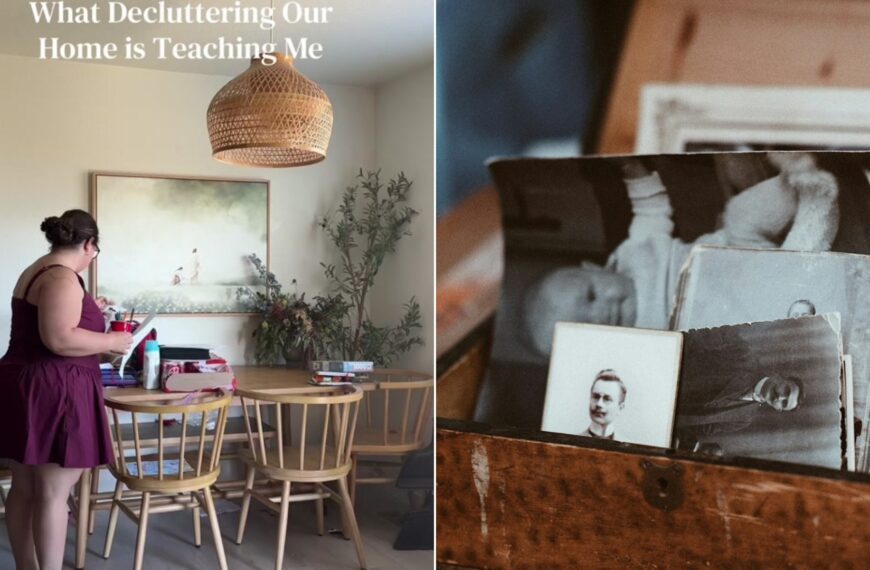
If you have ever read decluttering advice and thought, “That is fine for someone whose house is already tidy,” this story is for you. One woman who says she has tried every decluttering method out there shared what finally worked after her home was so full that she shows what it used to look like and says she was the one causing the problem.
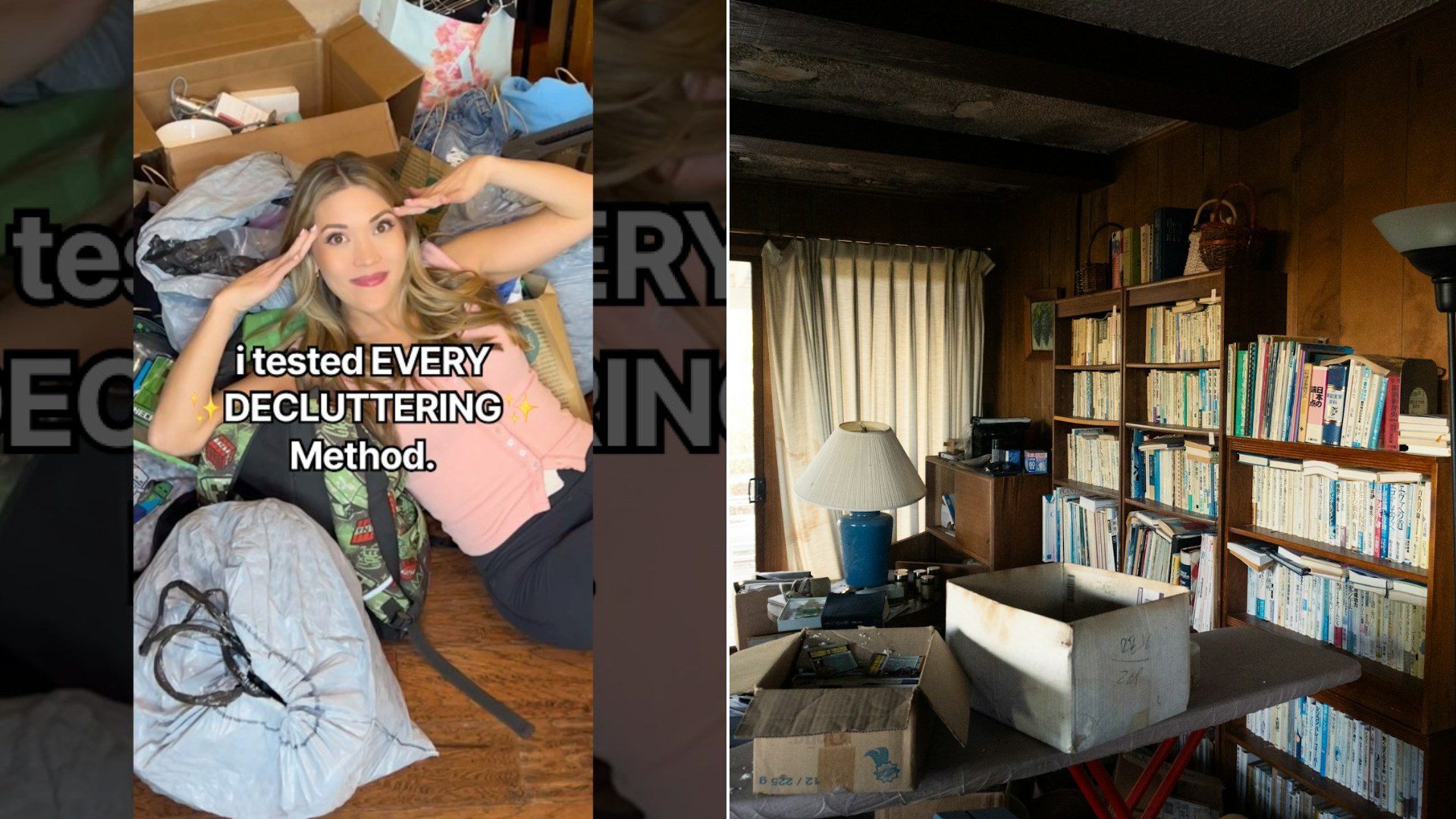
Her take is refreshingly honest. A lot of the advice out there, she says, comes from people who have never had a clutter problem. She is the problem, or she was. She says she ended up getting rid of more than 90 percent of her belongings, and she has opinions about which methods helped and which ones wasted her time.
Her message is short, but there is a lot of useful sense packed into it. Here is her journey, and then a plan you can borrow.
Method one: ten minutes a day
She started with the popular advice to declutter for just ten minutes a day. The logic is the old riddle: how do you eat an elephant? One bite at a time. Her problem was that she did not have one elephant. She had about fifty. Ten minutes of tidying, she realized, was never going to solve a problem that big.
Method two: eat the whole elephant
So she changed tactics. Any time she had a free day, she spent the entire day on one category, using an adapted, lazy version of the category-by-category approach made famous by Marie Kondo. Clothes one day, for example, or books another. One full day, one category, finished.
Method three: the 30-day challenge, squeezed into one day
She also tried a 30-day minimalism challenge. She loved the idea but forgot all about it by day two. So she did the same thing in a single day instead. Every month or two, she found a full day to give to decluttering.
The surprise
Then one day she looked around and realized her house was not exactly minimal, but it was manageable. And here is the part worth remembering. Once she no longer had overflowing drawers and tubs of junk, the methods that had failed her at the start, like the ten-minute daily declutter, suddenly worked beautifully for keeping the house in shape.
In her words, it was the right method at the wrong time. What gets you out of clutter and what keeps you out of clutter, she says, are different things. And you do not have to be minimal. Manageable is a perfectly good goal.
How to use this in your own home
Here is how to turn her story into a plan, whether you are staring at one cluttered closet or a whole house of overflowing rooms.
Step one: decide whether you are in the “get out” phase or the “stay out” phase. If you can open your drawers and shut them without a struggle, you are in maintenance mode. If you cannot, you need bigger blocks of time, not tiny ones.
Step two: block out a full day. Mark it on the calendar like an appointment. Ask a family member to take the kids or the dog for the day if you can. Wear comfortable clothes and eat a real breakfast.
Step three: pick just one category. Clothes, books, paper, kitchen items, or sentimental things. Do not jump around. Working one category at a time lets you see everything you own of that type and notice how many duplicates there really are.
Step four: gather everything in one spot. Pull all of the clothes out of every closet, dresser and laundry basket and put them on the bed. When you see the whole pile, decisions get easier.
Step five: set up four stations before you start. A bag for trash, a box for donations, a pile for things to sell, and a tub for things that belong in another room. Having them ready keeps you moving.
Step six: get it out of the house the same day. Put the donation boxes in the car, take out the trash, and list anything you plan to sell within a few days. Stuff that lingers in the garage has a way of creeping back inside.
Step seven: repeat in a month or two. You do not have to do everything at once. Schedule the next day, and pick a new category.
Then switch to small habits
Once your home is manageable, this is when the small stuff pays off. Try a ten-minute reset once a day: clear one counter, sort one drawer, or put away the pile that has been sitting on the chair. Adopt a one-in, one-out rule for clothes and kitchen gadgets. Keep a donation box in the closet so you can drop things in as you notice them.
What she shows is that no single decluttering method is the best one. The best method is the one that fits where you are right now. If a popular system has not worked for you, it may not be that you failed. You may just be using the right tool at the wrong time.
More Stories You May Like
- Professional Organizer Says If You Have Run Out Of Space You Do Not Need More Storage Because The Money Was Wasted Ten Years Ago And Your Kids Do Not Want The Stuff You Saved
- Professional Organizer Cleared Out A Family Of Five’s Pantry And Rebuilt It With Cube Baskets Turntables And A Riser For Canned Goods
- Professional Organizer Dares You To Throw Out Old Towels Expired Beauty Products And Swimwear You Never Wear Before Today Is Over