Your phone buzzes with a text. It says a store you shop at has a gift card waiting for you, and all you have to do is tap the link. Stop right there.
The Better Business Bureau serving South Texas says that kind of message is showing up early this year. The bureau received 10 scam reports in a single week, which it calls unusual for this time of year, because scams normally pick up after Black Friday.
Scammers Started Before The Holiday Rush
BBB South Texas President Hilda Martinez says the warning signs are already here. Shoppers are being hit with fake ads and phishing texts well before the busiest shopping days of the year.
Ten reports may not sound like a flood, but the timing is what worries the bureau. Crooks seem to be getting a head start while people are just beginning their lists.
That means you cannot wait for the Black Friday headlines to get your guard up. The safest time to start being careful is right now.
“A Lot Of Scammers Are On Facebook”
“We noticed a lot of scammers are on Facebook,” Martinez says. She explains that the scammers impersonate legitimate businesses in ads, and people fall for them.
A fake ad can look just like the real thing, with a familiar logo, a big discount and a pretty picture of a coat or a toy. Click through and you may land on a website that exists only to take your card number.
If a price looks too good to be true, take a moment before you buy. A brand-new gadget at half price from a company you never heard of is a red flag.
The Two Texts To Delete: Free Gift Cards And Defective Orders
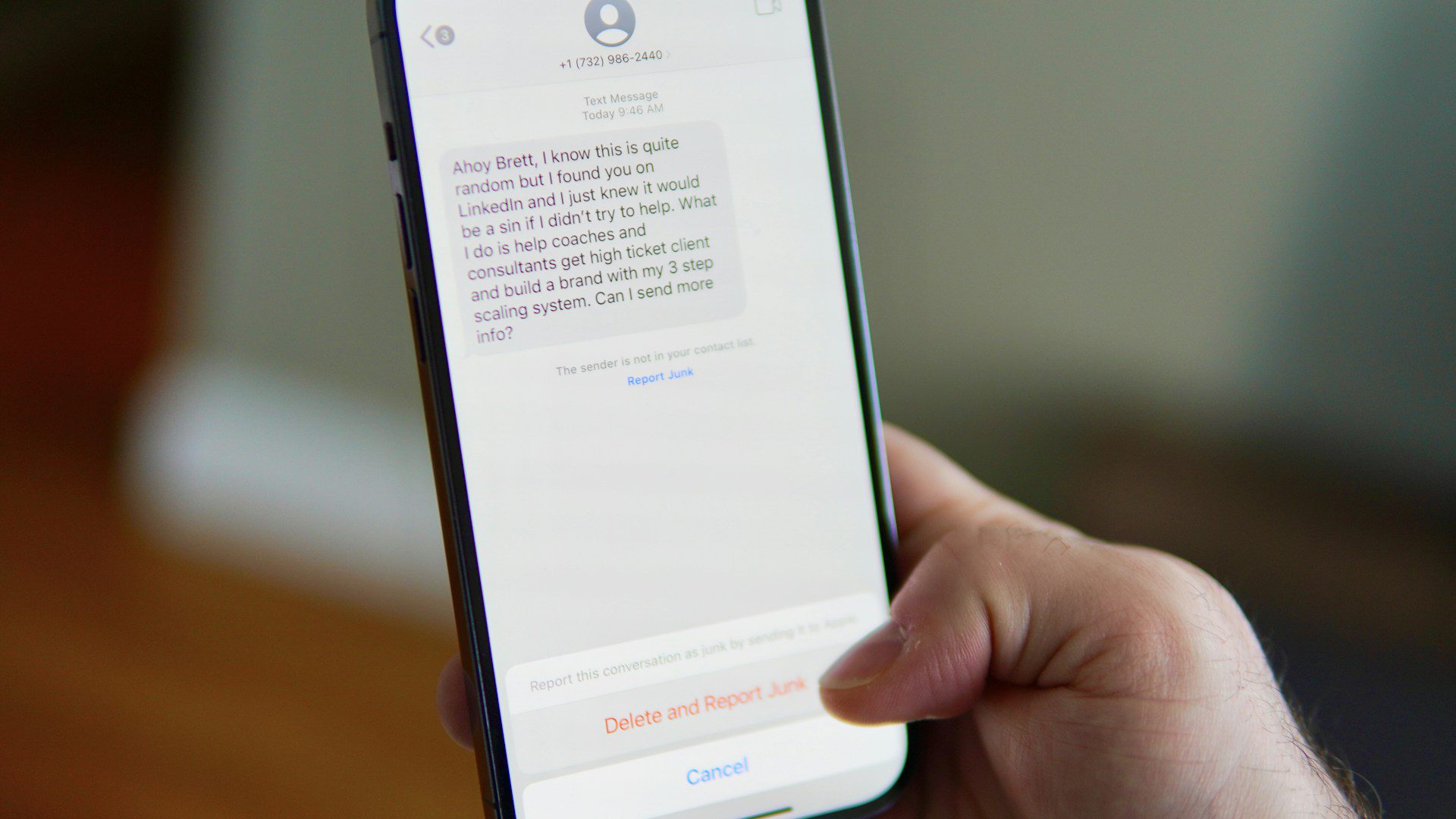
The bureau describes two kinds of fake retailer texts. In the first, the message claims to be from a store and promises a gift card if you click a link.
In the second, the message says a product you purchased is defective. It is built to make you worry and rush, and the link is meant to collect your personal information.
Real retailers do not text people about problems with purchases, according to the advice shared with South Texas shoppers. If you get a text like that, ignore it.
What To Do Instead
If you are worried about a purchase, do not use the link in the text. Go directly to the retailer’s website by typing the address yourself, or open the store’s official app, and look up your order there.
Never enter login or personal information through a link in a text message. That includes your password, your card number and your Social Security number.
The bureau also recommends keeping your purchase receipts and checking your bank and credit card statements regularly. Martinez says many victims do not recognize charges on their statements and never request receipts or statements in the first place.
How To Spot A Fake In Ten Seconds
Scam texts and ads share a few habits. Most of them create urgency, with wording like “act now” or “your order will be canceled.”
Many contain a link and ask you to click it. Some come from a number or email address you have never seen, and some contain small spelling errors.
Ask yourself three questions. Did I actually order anything from this store? Did I give them my phone number? And would a company I trust really ask me to log in through a text?
If the answer to any of them is no, delete the message. If you are still unsure, call the store using the phone number on your receipt or the company website.
If You Already Clicked
Do not panic, because quick action can help. If you gave out a card number, call the number on the back of the card and tell your bank, which can freeze the card and issue a new one.
Change the password for any account you logged into, and change it anywhere else you use the same password. Watch your statements closely over the next few weeks.
You can report scams to the Better Business Bureau through its Scam Tracker, which helps warn other people in your community. Tell a friend or neighbor as well, because crooks count on embarrassed victims staying quiet.
Shoppers can report suspicious ads and texts at the BBB Scam Tracker.
Shop Smart Through The Season
A few steady habits make the holidays safer. Pay with a credit card rather than a debit card when you can, because credit cards generally carry stronger protections against fraud.
Keep a folder, paper or digital, for your receipts and order confirmations. Check your statements every week through January instead of once a month.
Share the warning with the people in your life who may not be as careful, especially parents and grandparents who might not realize how real these messages look. A two-minute phone call can save a family a lot of heartache.
The bureau’s message is easy to remember. If a text promises a free gift or says something is wrong with your order, delete it, go to the store directly, and keep your personal information to yourself.