Whether Mom and Dad are downsizing or the family is sorting through a house after a loss, the first instinct is often to rent a dumpster and start hauling. That instinct is understandable, because the job feels enormous.
A short pause can pay off, though. Government agencies and archivists describe a handful of things that are easy to overlook in a drawer, a shoebox or a stack of old mail. Here are 5 worth a second look before anything goes in the trash bag.
An Old Paper Savings Bond Tucked In A Desk Drawer May Still Be Worth Cashing
Savings bonds were once a popular gift, and many families still have a few in an envelope somewhere. TreasuryDirect’s page on old bonds from other series explains how the clock works.
Paper bonds from Series A through K, except I, plus all Savings Notes, have stopped earning interest. EE and I bonds earn for 30 years from issue, and HH bonds earn for 20 years.
To cash one, the page says you can contact your bank to ask whether it cashes savings bonds, how many it will cash at once and what identification it requires. You can also mail the completed form and your bonds to the address on FS Form 1522.
If you cannot find the bonds themselves, the Treasury also offers a tool called Treasury Hunt. You search by Social Security or Taxpayer Identification Number, or by name and state, and the page says Treasury updates it every month.
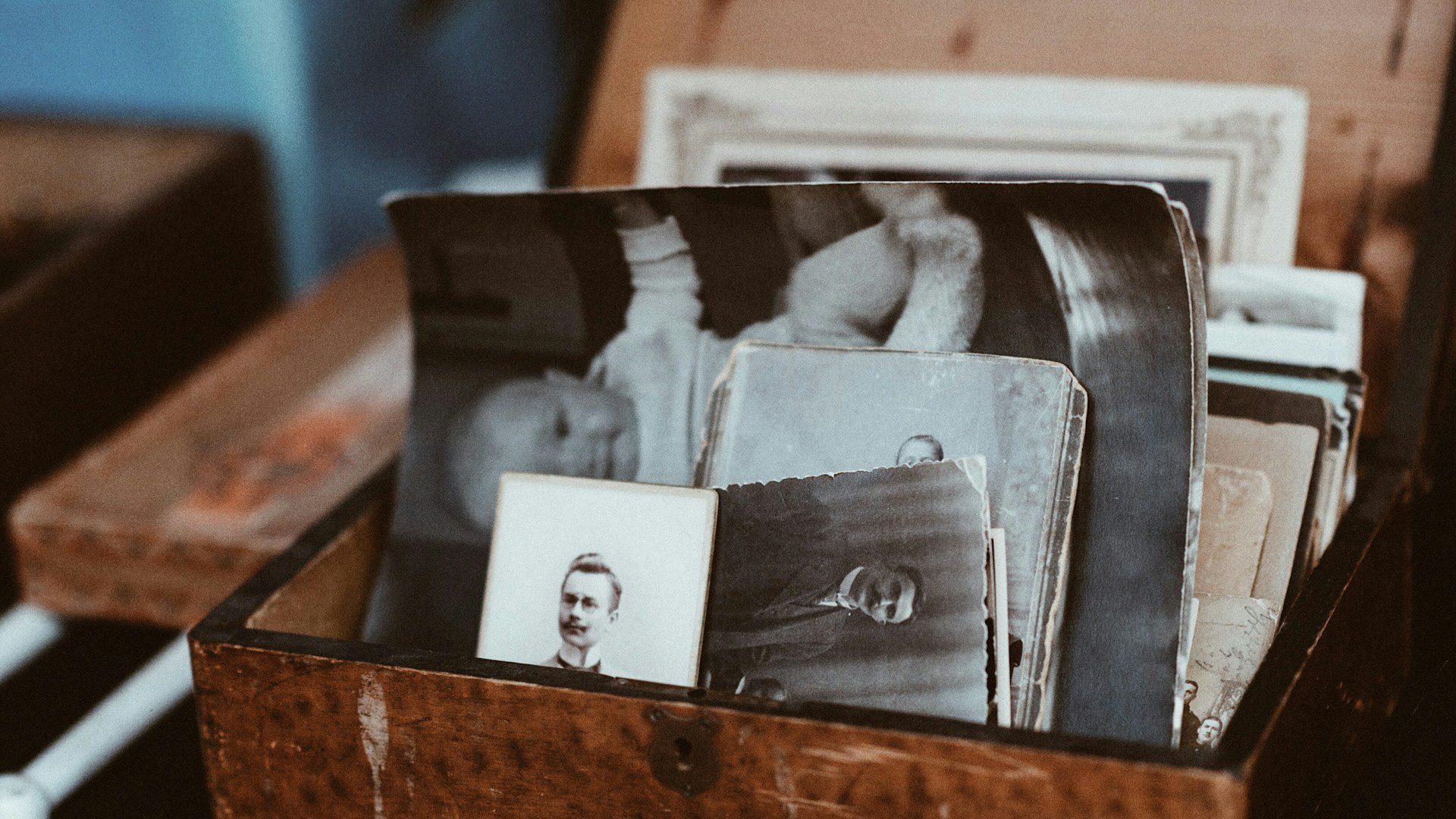
A Shoebox Of Family Photos Is Worth Saving Properly
Few things in a parent’s house cannot be replaced, but old photographs and letters top that list. The National Archives has plain advice on storing family papers and photographs.
It says to keep the temperature below 75 degrees Fahrenheit, and relative humidity below 65% to prevent mold, though not below 15%, which can make items brittle. It also says to avoid damp basements, garages and hot attics, and to keep items away from pipes, windows and known roof leaks.
The Archives lists materials to avoid as well. They include pressure-sensitive tape, which degrades, rubber bands, which discolor and stick to photos, rubber cement, which discolors, and non-stainless steel staples and paper clips, which corrode.
The agency recommends boxes large enough for originals to lie flat or stand upright without folding, made of lignin-free and acid-free or buffered board. For photographs, it says the material should have passed the Photographic Activity Test.
Missing Life Insurance Papers Can Be Searched For Free
Sometimes a family suspects a policy exists but cannot find the paperwork. The Maryland Insurance Administration describes a free online Life Insurance Policy Locator, hosted by the National Association of Insurance Commissioners.
The page says it is meant to help people find life insurance policies and annuity contracts of a deceased family member or loved one. You enter your own details and the deceased person’s details from the death certificate, and the request is stored in an encrypted database that participating life insurance and annuity companies can access through a secure portal.
If a policy is found and you are the beneficiary, the company contacts you directly. If no policy is found or you are not the beneficiary, you will not be contacted.
An Uncashed Check Or Forgotten Account May Be Waiting In A State Program
Old mail can hide more than coupons. The National Association of Unclaimed Property Administrators, at unclaimed.org, describes unclaimed property as money and assets that have gone unclaimed, with examples including uncashed payroll checks, stocks and credit balances.
The site lets you select a state and reach that state’s official unclaimed property program, and it labels the search free. To search multiple states at once, it points to MissingMoney.com, a free site that the association manages.
Leftover Medicines Should Go To A Take-Back Site, Not The Donation Box
Medicine cabinets, nightstands and purses can hold years of unused pills. The FDA’s guidance on disposing of unused medicines says unused or expired medicines can harm people or pets if taken by mistake.
The agency’s preferred option is a take-back location, such as a pharmacy or police station, or a prepaid mail-back envelope. If none is available, it says to mix the medicine with dirt, cat litter or used coffee grounds, seal it in a plastic bag, throw it away, and scratch out personal information on the empty container’s label.
Notice that most of these five items are about paper. A useful rule is to open every envelope, folder and book before it leaves the house, because old bonds and papers can hide inside.
None of these steps take special skills. They take patience, a free afternoon and a willingness to look inside the envelope before tossing it.
Work room by room, and keep a box by the door for anything that needs a closer look. Go slowly, and invite family members to take part so nothing sentimental is lost.
Taking the time now can protect memories and money alike, and it makes the sorting feel more like honoring a lifetime than hauling away a pile of stuff.
More Stories You May Like
- Gift Clutter Is Taking Over Your House, And You Can Tell Relatives What Your Family Needs Without Hurting Feelings Using Wish Lists And Experience Gifts
- Buying Closet Organizers Before You Declutter Just Gives Your Extra Stuff A Nicer Home, So Purge First, Measure Second And Buy Only What You Need
- Consignment Shops Take A Cut And Your Items May Pay Pennies, So Ask About The Split And Payout Before You Drop Off A Single Bag Of Clothes