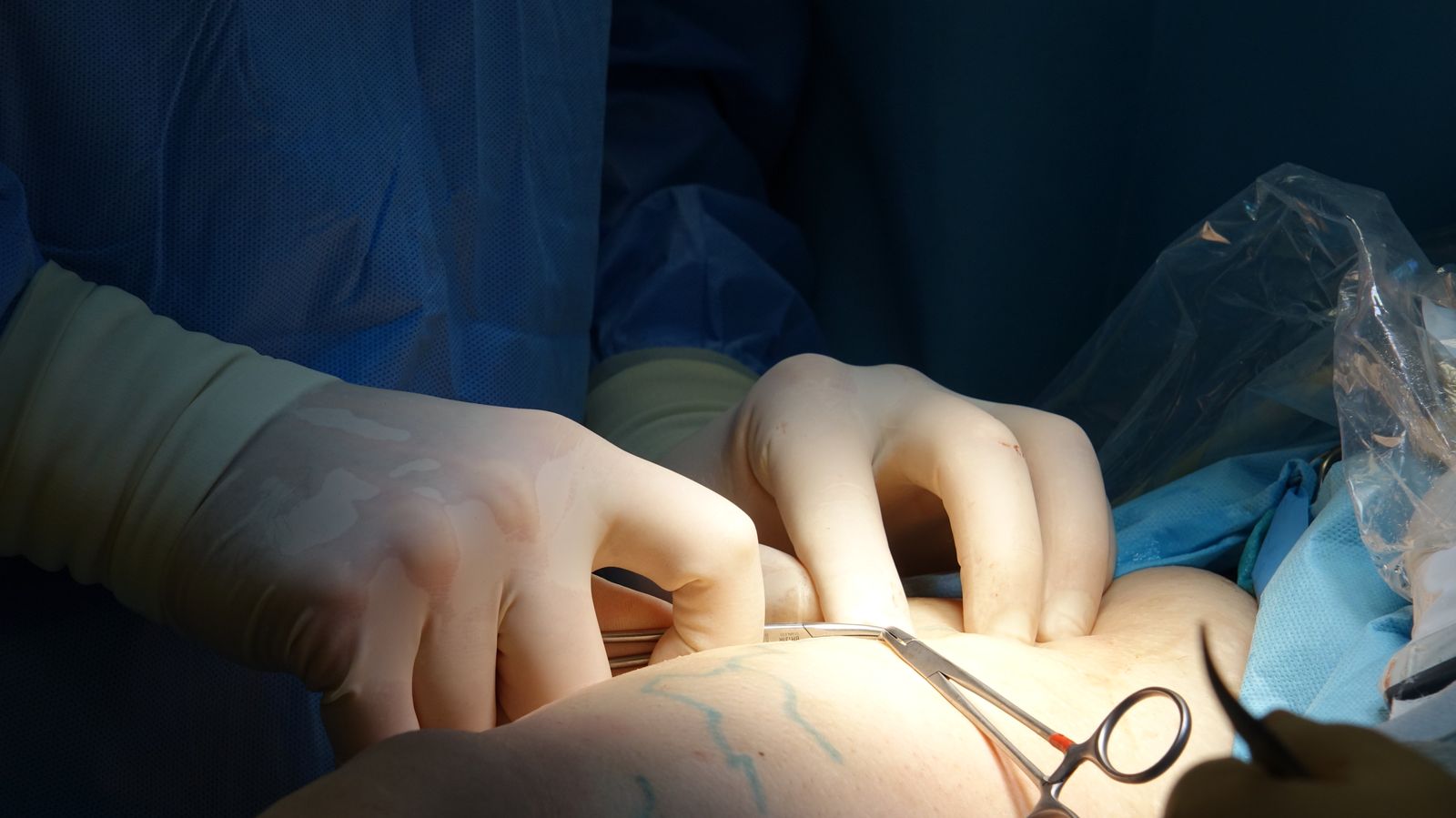
One woman found herself in a tough spot when her boyfriend, recovering from open stomach surgery, asked her for help with changing his bandages. The situation became uncomfortable when she admitted that wounds make her uneasy, which led to an emotional confrontation that neither one expected.
The couple had been together for four years, and her boyfriend had been managing Crohn’s disease, which can complicate stomach surgeries and recovery. When he was hospitalized for nearly a week, she chose not to visit him. This decision weighed heavily on him, as he felt not just hurt but profoundly disappointed. Painkillers clouded his usual demeanor, but he still reached out for support, only to be met with hesitance.
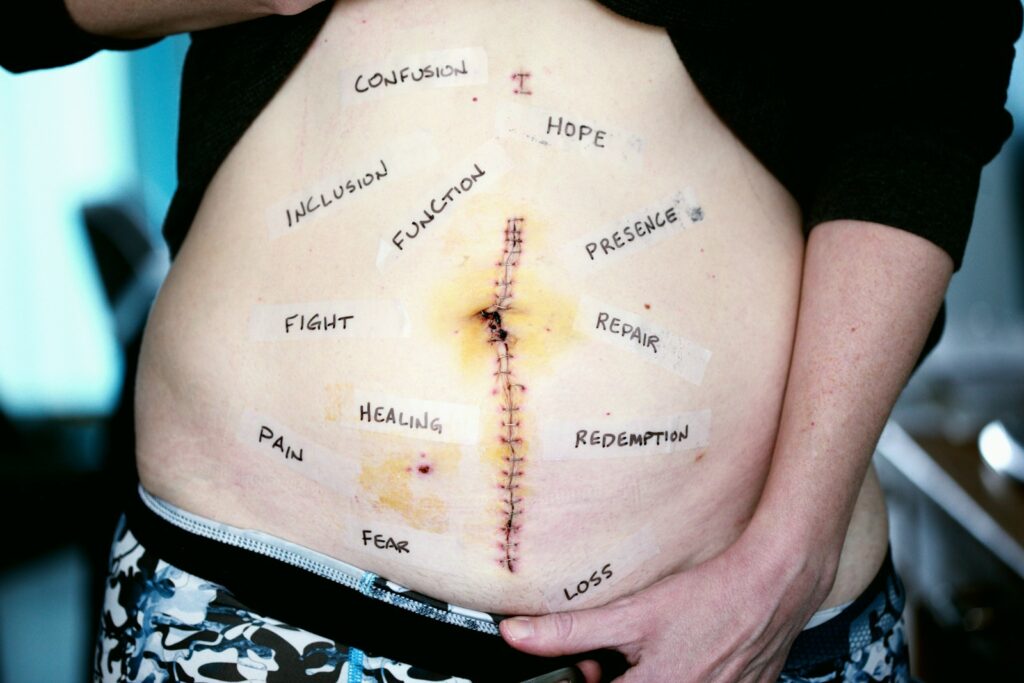
When he asked her to help with his bandages, his need was clear. She, however, simply couldn’t face the reality of his recovery. After some back and forth, she reluctantly agreed to help, but her discomfort was palpable. Her boyfriend picked up on it, becoming upset when she didn’t hide her feelings. He seemed to take her unease as a personal rejection, which only deepened the sting of an already painful situation for both of them.
Those familiar with anxiety disorders understand that they can create barriers in situations others might navigate with more ease. In this case, her anxiety played a significant role, complicating her feelings of love and concern for her boyfriend. The woman’s anxiety about wounds collided with her boyfriend’s vulnerability, making it difficult for her to be the partner he needed. It’s a complicated mix of emotions that many might find relatable, even if they haven’t been in a similar situation.
People had very different reactions when this story made its way to Reddit. Some users expressed disappointment in her choices, feeling that true partnership involves being there for each other, especially during tough times. They argued that it was her responsibility to push through discomfort when someone she loved was in pain and needed her. Those commenters often highlighted the importance of not only being a partner during good times but also stepping up when circumstances get tough.
Others pointed out that anxiety is a real struggle. They noted that it’s okay for someone to have limits, especially when dealing with something as distressing as a medical situation. They emphasized that her feelings of discomfort were valid and that she shouldn’t have to fight her own mental health battles on top of supporting a partner who was going through a rough recovery. This perspective resonated with those who understood the challenges of managing anxiety and fear in a high-stress environment.
Some even suggested alternative ways she could have supported him, whether through emotional support, offering to help with less hands-on tasks, or simply being present more in spirit if not in body. They framed the issue as a matter of communication and balance. Perhaps there were ways for both of them to express their needs without feeling guilt or shame.
In the end, this interaction raises questions about the complexities of relationships and the expectations partners have of one another. It’s easy to say “just be there” for someone in pain, but emotions and mental health can complicate matters. How do partners handle situations when personal limitations clash with the needs of a loved one? Is it acceptable to prioritize one’s own mental health in the face of a partner’s physical hardships, or should love conquer all — even discomfort? Those questions linger as the couple navigates their relationship moving forward.
More from Decluttering Mom: