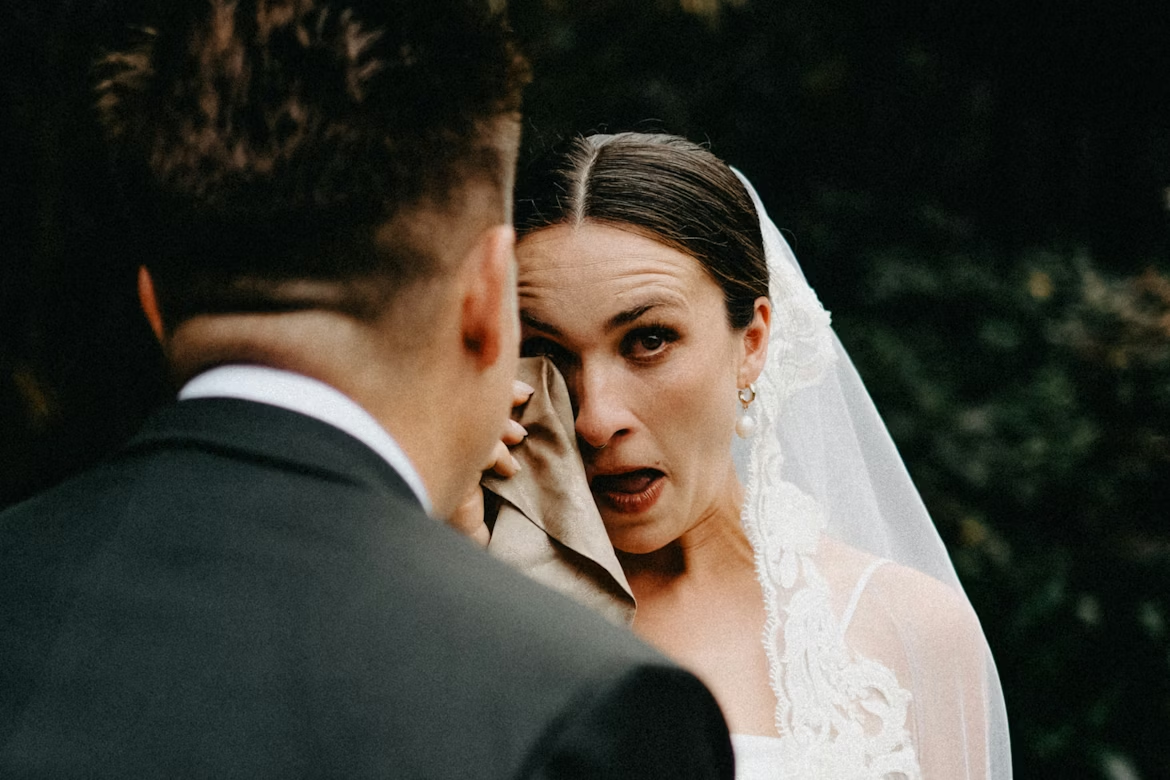
A woman says her best friend ended their years-long friendship after she declined to attend a destination wedding that would have cost her roughly $2,000, according to a post shared on Reddit’s popular AITAH forum in late 2025. The ceremony, planned near a national park, offered no reception, no group dinner, and shared bunk-bed lodging. When the woman explained she could not justify the expense, the bride cut her off entirely.
The post went viral, drawing thousands of comments and reigniting a debate that flares up every wedding season: how much can a couple reasonably ask guests to spend, and what happens to a friendship when the answer is “more than I can afford”?
What the $2,000 actually bought

In her original Reddit post, the woman described a wedding pitched as a romantic, elopement-style event. In practice, guests were expected to cover their own travel, pay for shared bunk-bed accommodations with other attendees, and show up for a ceremony she estimated would last 15 to 20 minutes. There was no formal reception, no hosted meal, and no planned group activities afterward.
The bride framed the trip as a vacation opportunity, but the woman wrote that the schedule and cost left little room for actual leisure. As ChipChick reported, the lodging arrangement meant guests would be bunking with near-strangers rather than enjoying private rooms, a far cry from the resort getaway that “destination wedding” typically implies.
Those numbers are not unusual for destination wedding guests. A 2024 survey by The Knot found that the average cost of attending a destination wedding as a guest was approximately $1,800 to $2,500 once flights, lodging, attire, and gifts were factored in. What made this case stand out was how little the guests received in return for that spending.
The moment the friendship cracked
The woman wrote that she initially tried to make the budget work. She and her husband ran the numbers repeatedly before concluding that the trip would consume most of their discretionary savings for the year. When she told the bride she would not be able to attend, she mentioned that she and her husband had been setting aside money for a few modest, closer-to-home trips instead.
That detail became the flashpoint. The bride argued that any money earmarked for smaller vacations should have been redirected to the wedding. As Yahoo Lifestyle noted, the woman was labeled as having the wrong priorities because she was also planning “mini vacations” with her husband. In her telling, those were low-cost breaks the couple had been saving for over months, not last-minute splurges.
The bride’s response escalated from hurt to ultimatum. She told her friend that a true best friend would find a way to be there regardless of cost, accused her of selfishness, and then removed her from group chats and social media. The friendship, by the woman’s account, was over.
Why the internet sided with the guest
The AITAH thread drew an overwhelming consensus: the woman was not wrong to decline. Commenters argued that a 15-minute ceremony with no reception and bunk-bed lodging did not justify a $2,000 price tag, and that ending a friendship over a declined RSVP revealed more about the bride’s expectations than the guest’s loyalty. One highly upvoted comment put it bluntly: the bride’s reaction “says more about her than you.”
The response was not entirely one-sided. A smaller contingent argued that milestone events sometimes require financial sacrifice, and that the woman could have explored compromises, like attending solo to cut costs, or asking the bride whether a partial contribution might work. But even those voices generally agreed that cutting off a close friend over money was a disproportionate reaction.
A pattern bigger than one wedding
This story resonated in part because it fits a pattern that wedding forums and advice columns have tracked for years. In a separate AITAH thread from 2025, another woman described a friend whose resort wedding perks were tied to guest spending: the bride’s room upgrade and amenities only kicked in if enough attendees booked rooms and purchased extras. The guests, in effect, were subsidizing the couple’s honeymoon experience.
Etiquette experts have long cautioned couples about this dynamic. Lizzie Post, co-president of the Emily Post Institute, has said in interviews that couples choosing destination weddings should expect a higher decline rate and should never guilt guests who cannot attend. “You’re asking people to use their vacation time and vacation budget on your event,” Post has noted. “That’s a big ask, and you have to be gracious about the answer.”
Data backs up the strain. According to Bankrate’s 2024 survey on wedding-related spending, 36% of Americans said they had gone into debt to attend someone else’s wedding, and nearly half of respondents under 35 reported feeling financial pressure from wedding invitations. When a destination is involved, those numbers climb.
What couples and guests can do differently
The bunk-bed wedding saga is extreme, but the underlying tension is common. Wedding planners and financial advisors who have weighed in on similar disputes tend to offer the same practical advice:
- For couples: If you choose a destination wedding, budget some hospitality into the plan. A welcome dinner, a hosted happy hour, or flexible lodging options signal that you value your guests’ experience, not just their presence. Accept that some people will say no, and do not treat a declined RSVP as a betrayal.
- For guests: Decline early and honestly. A straightforward “We can’t make the budget work, but we love you and want to celebrate with you another way” gives the couple time to adjust and keeps the door open. Avoid over-explaining or comparing the wedding cost to other spending.
None of that advice would have guaranteed a different outcome in this case. The bride’s willingness to end a close friendship over a single “no” suggests the rift ran deeper than logistics. But for the many couples and guests navigating similar decisions in the months ahead, the lesson from this viral thread is straightforward: a wedding invitation is not a summons, and a friendship that cannot survive a polite decline was already fragile.
More from Decluttering Mom: