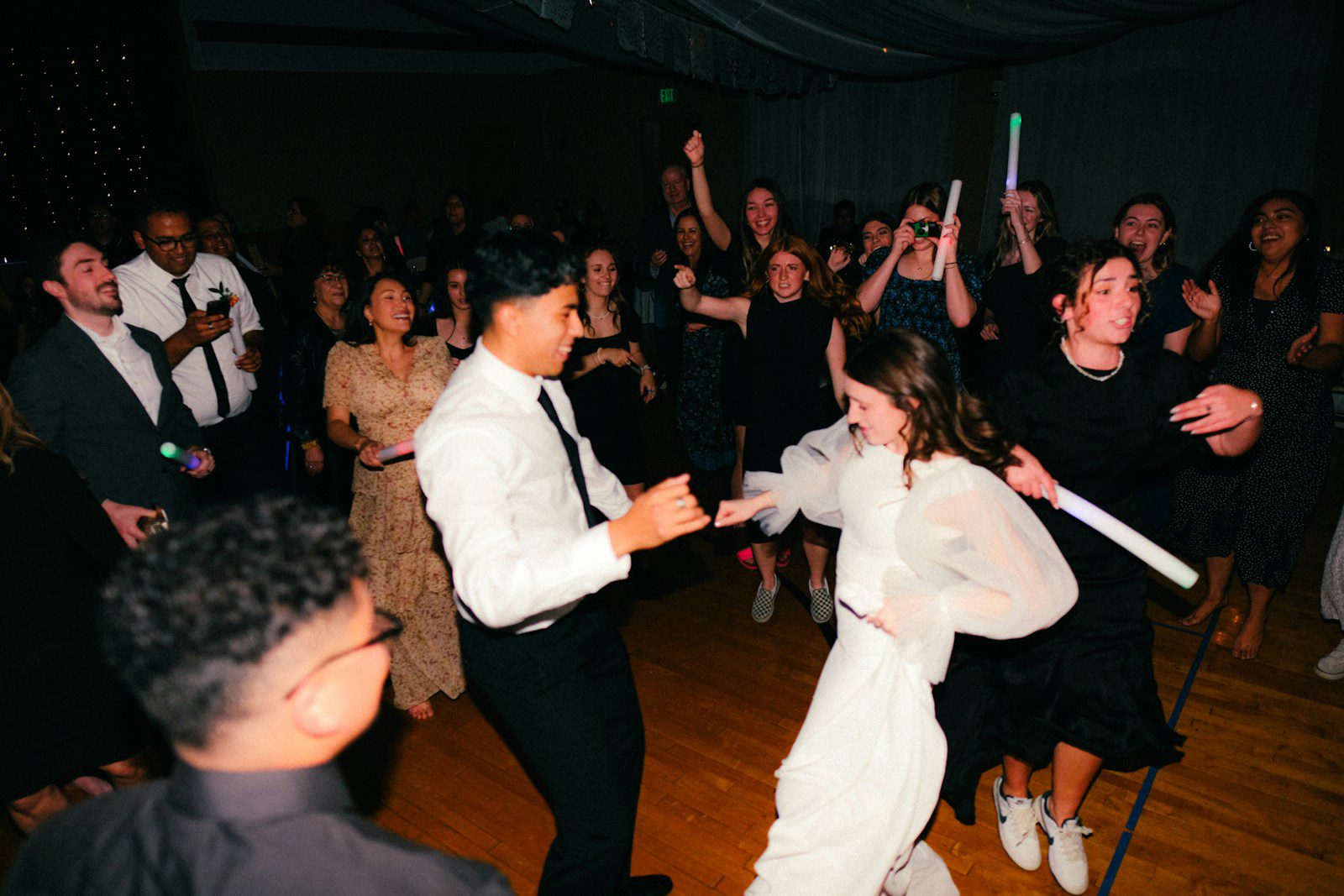
One bride was left unsettled as she sorted through RSVPs for her upcoming wedding. After sending out invitations months in advance, she found that a handful of friends, all under 40, ignored both the RSVP deadline and her follow-up texts. The lack of response went beyond mere inconvenience; it felt personal and rude, prompting her to question the depth of these friendships.
She had thoughtfully mailed invitations in March, requesting RSVPs by a specific date in early April. With the big day just weeks away and catering numbers due soon, she took it upon herself to follow up with those who hadn’t replied. By Sunday morning, she texted around twenty friends and acquaintances, asking if they planned to attend and what meal choices they preferred. For older relatives, she made calls. Yet, several friends completely ignored her outreach.
These friends, all in their late 20s or early 30s, had previously engaged with her on social media, even sharing memes shortly before the wedding reminders. The bride felt hurt—not just because they might not be attending, but because they couldn’t find a moment to simply respond. It made her rethink the nature of their relationships. After all, she was willing to spend significant money to ensure they had a good time. Being ghosted when she had put in so much effort felt like a slight.
When considering the situation, the bride laid out her thoughts on RSVPs. She expressed appreciation for those who responded with a “yes,” acknowledging their commitment to celebrate with her. For those who politely declined, she felt no hard feelings—they could always catch up another time. However, she had little tolerance for the friends who missed the deadline and didn’t bother replying, stating that it indicated a lack of respect for her effort and time.
In her eyes, not responding when it was clear they had received and understood the invitation showed a troubling disregard for social norms. The frustration was palpable as she noted that these were young adults who knew how to communicate via text and social media. Her conclusion was blunt: if they couldn’t muster a simple reply, they fell short as friends.
People had very different reactions to her post. Some echoed her sentiments, saying they would be equally frustrated if friends didn’t reply. They believed that common courtesy should be maintained, especially for significant events like weddings. Others pointed out that life gets busy and sometimes, people forget to respond or feel awkward about declining. They suggested it might not be personal, even if it felt that way.
Some commenters also noted that cultural differences could play a role in RSVP etiquette. In some cases, they said, the urgency to respond might not hold the same weight for everyone. Others offered alternatives, recommending ways to manage expectations with friends who might not prioritize such formalities.
This wide range of responses illustrates how differently people navigate social norms surrounding events and invitations. While many agree that basic manners should apply, others see the complexities of contemporary communication and social commitments. The bride’s experience has sparked a conversation not only about etiquette but also about the underlying expectations in friendships.
In the end, the bride was left pondering whether those relationships were worth reevaluating. After all, if friends can’t find a moment to acknowledge an important milestone, what does that say about their investment in the friendship? As the wedding date approaches, it raises a broader question about how much effort should be expected from friends in return for the effort put in.
More from Decluttering Mom: