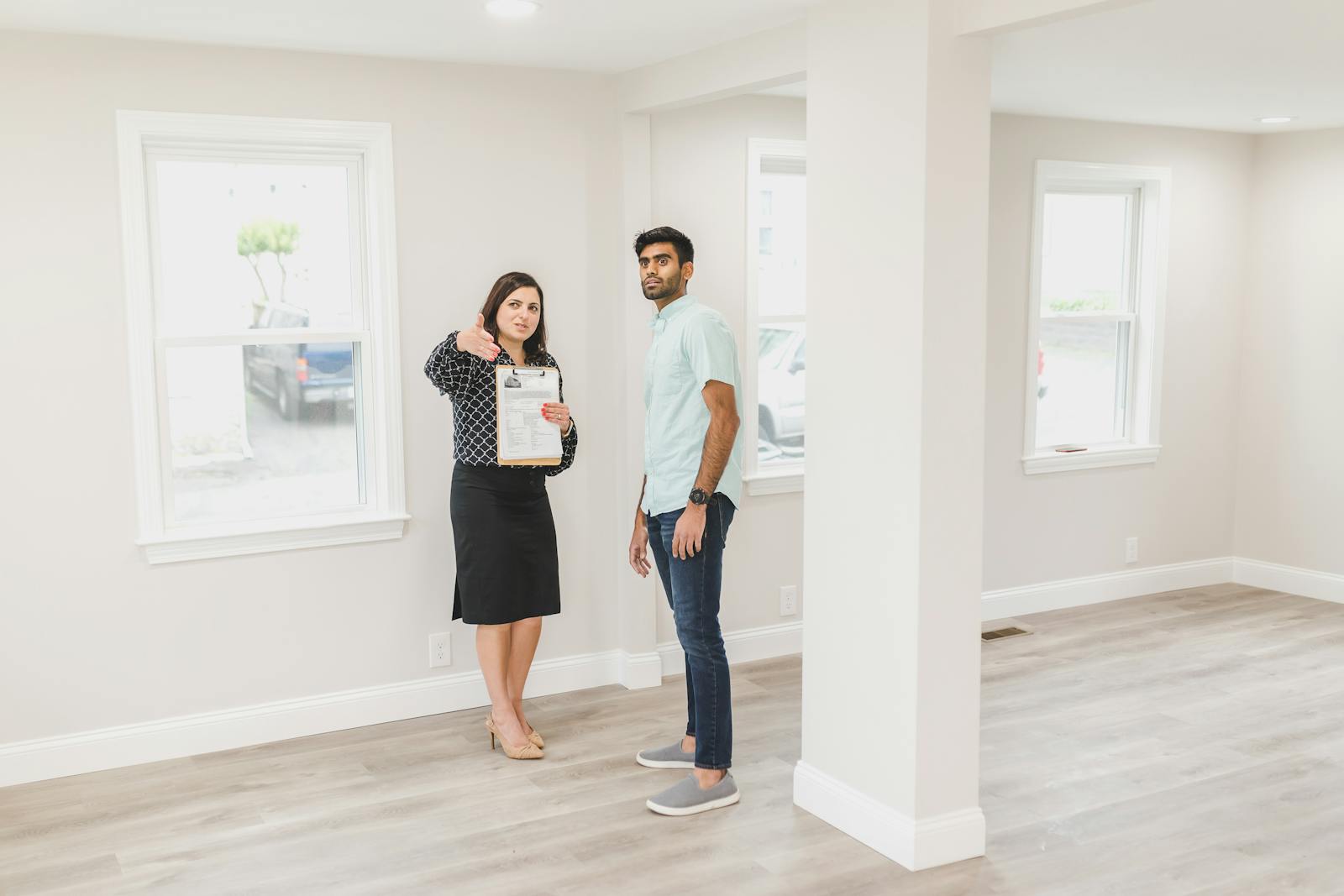
Open floor plans once promised effortless flow, but daily life has exposed their limits: noise, clutter, and a lack of privacy. In response, designers are embracing “broken” layouts that carve a home into distinct yet connected zones. Glass, used strategically, lets me keep the light and openness people love while restoring boundaries that actually work for real households.
By treating glass as a flexible wall rather than a purely decorative accent, I can separate spaces acoustically and visually without turning a home into a maze of solid partitions. The result is a floor plan that feels tailored, not generic, and that can adapt as work, family, and entertaining needs shift over time.
Why broken floor plans are replacing the all‑open look
Open layouts were sold as the ultimate symbol of contemporary living, but they often ignore how people actually use their homes. Large, continuous rooms make it hard to contain sound, hide mess, or create a quiet corner for focused work. Designers now describe broken floor plans as a way to keep sightlines and social connection while introducing subtle separations that give each activity its own place, a shift that reflects how households have blended work, school, and leisure under one roof.
In practice, this approach is a response to the way traditional open spaces amplify every conversation and appliance, a problem that becomes obvious when several people are home at once. Reporting on broken‑plan living notes that dividing a large room into defined zones reduces acoustic interference and improves organization, which is especially valuable for families and people who work from home. Instead of one undifferentiated expanse, the home becomes a series of linked pockets, each tuned to a specific use.
How designers define a “broken” layout
When I talk about a broken floor plan with clients, I describe it as a hybrid: it borrows the generosity of open space but layers in partial walls, level changes, and screens to create structure. The goal is not to close rooms off, but to introduce just enough separation that a kitchen, dining area, and living zone can function independently without feeling isolated. Designers quoted in coverage of broken floor plans describe this as a blend of modern openness with subtle divisions, which matches what I see in current renovation briefs.
Those divisions can be architectural, like half‑height walls or a change in ceiling treatment, or they can be movable elements such as shelving and sliding panels. The key is that the eye can still travel across the space, but the body experiences distinct thresholds as it moves from one zone to another. This layered structure allows a home to feel cohesive while still giving each area its own mood and level of privacy, something a single, uninterrupted room rarely achieves.
Why glass is the material that makes it all work
Glass has become the quiet hero of this shift because it solves the main complaint about traditional walls: they block light and sightlines. By using glass as a partition, I can carve out a home office, playroom, or snug without sacrificing the bright, airy quality that made open layouts appealing in the first place. Interior specialists point out that glass partition walls are now a practical alternative to fully open concepts, especially in post‑pandemic homes where flexibility and privacy matter more.
Because glass can be transparent, translucent, or patterned, it also gives me a way to fine‑tune how much separation a space needs. Clear panels keep visual connection between a kitchen and living area, while reeded or frosted glass can obscure clutter or create a more intimate feel without turning a room into a dark box. Used thoughtfully, glass becomes a tool for calibrating openness rather than an all‑or‑nothing choice between walls and no walls.
What architects are saying about over‑open interiors
Architects have been candid that many open interiors were designed more for photographs than for daily life. Founding principal David Piscuskas of 1100 Architect has argued that all too often, interior environments have been unnecessarily opened up, which flattens the experience of moving through a home. In coverage of trending layouts, he is cited explaining that one key way to achieve a more nuanced plan is to introduce glass partitions that add dimension and flow instead of a single, undivided volume.
That critique reflects a broader reassessment of what “modern” should look like. Rather than equating contemporary design with the removal of every wall, architects like David Piscuskas are advocating for a more calibrated approach that respects how people live, work, and rest. Glass becomes part of that toolkit, allowing them to reintroduce edges and thresholds without abandoning the light and connectivity that clients still want.
Acoustics, privacy, and the everyday benefits of broken plans
From a practical standpoint, the strongest argument I see for broken layouts is how they handle noise and privacy. Large, open rooms let sound travel unchecked, which can make a simple phone call or homework session feel impossible when someone else is cooking or watching television. Analyses of broken‑plan layouts emphasize that introducing partial separations reduces acoustic interference and supports better organization, which is exactly what many households are missing.
Glass helps here because it can be combined with seals and frames that block a surprising amount of sound while still letting light through. A glazed home office off the living room, for example, can give someone a quiet workspace without cutting them off visually from the rest of the home. For families, a glass‑fronted playroom lets adults keep an eye on children while containing toys and noise, a balance that is difficult to achieve in a single, open room.
Glass partitions as a “happy medium” for open‑plan fans
Not everyone is ready to give up the feeling of a big, shared space, and that is where glass dividers become a compromise rather than a rejection of open planning. Some homeowners want the bright airiness of a loft but are frustrated by the lack of separation for different activities. Designers who focus on glass systems describe this as a Happy Medium for people who like the idea of openness but need more control over how space is used.
Sliding glass panels, in particular, let a room shift between open and closed states in seconds. When fully open, they preserve the much‑admired open floor plan; when closed, they carve out quieter pockets for work, sleep, or conversation. Reporting on how glass room dividers solve open‑plan problems highlights this flexibility as a key benefit, and I see the same appeal when clients realize they do not have to choose between a closed or open layout forever.
Design strategies: where to place glass in a broken plan
To make glass work in a broken layout, placement matters as much as the material itself. I often start by identifying the noisiest or most clutter‑prone zones, such as kitchens and play areas, and then look for ways to visually connect them to calmer spaces without letting sound and mess spill over. Interior guidance on glass partition walls notes that broken‑plan living rooms and kitchens are particularly well suited to this approach, since they benefit from both connection and separation.
In many homes, that translates into a glazed wall between the kitchen and living area, a glass door enclosing a study off the main space, or a floor‑to‑ceiling panel that screens an entry from a sitting room while still letting light pass through. The trick is to align these partitions with existing structural lines, such as beams or changes in flooring, so they feel intentional rather than tacked on. When done well, the glass reads as part of the architecture, reinforcing the sense of a coherent, layered plan.
Material choices: from clear to textured glass
Once the locations are set, the next decision is what kind of glass will support the way each zone is used. Clear glass works best where visual connection is the priority, such as between a dining area and a kitchen, while textured or frosted glass is more appropriate for bedrooms, bathrooms, or offices that need privacy. Designers who champion broken layouts often pair these partitions with other subtle dividers, a strategy echoed in reporting on designer tips for creating zones without sacrificing light.
Framing also plays a role in how these partitions read. Slim black metal frames can echo industrial lofts, while warm wood frames soften the effect in more traditional homes. For clients who want the light but are wary of a “fishbowl” feeling, I often suggest partial frosting, reeded glass, or integrated curtains that can be drawn when needed. These details let a broken plan flex between open and secluded, which is the real advantage of using glass instead of solid walls.
How to start transitioning an existing open plan
For homeowners already living with a fully open layout, the shift to a broken plan does not have to be abrupt or structural. I usually recommend starting with one or two key interventions, such as a glass wall around a home office nook or a sliding divider that can close off the kitchen during dinner parties. Coverage of trending broken plans highlights how even a single glazed partition can change the way a space functions, adding depth and a sense of progression without major demolition.
From there, it becomes easier to identify other opportunities, such as enclosing a small den with glass or inserting a translucent screen between an entry and living room. The advantage of this incremental approach is that it lets people test how much separation they actually want before committing to a full redesign. Over time, a once‑open floor can evolve into a nuanced, glass‑framed sequence of rooms that supports work, rest, and gathering far better than a single, undivided space.
More from Decluttering Mom: