Burglars are not movie-style masterminds, but they are very good at spotting the lazy shortcuts homeowners take. They look for the quickest, quietest way in, then head straight for the places people assume are “hidden.” The good news is that most of those weak spots are fixable with a few smart upgrades and some new habits.
From flimsy doors to spare keys and Wi‑Fi gaps, the same trouble zones show up again and again when police and security pros walk through a typical house. Locking those down does not require turning a home into a fortress, just understanding how intruders think and closing the gaps they count on.
1. Doors, frames and side gates that look solid but are not

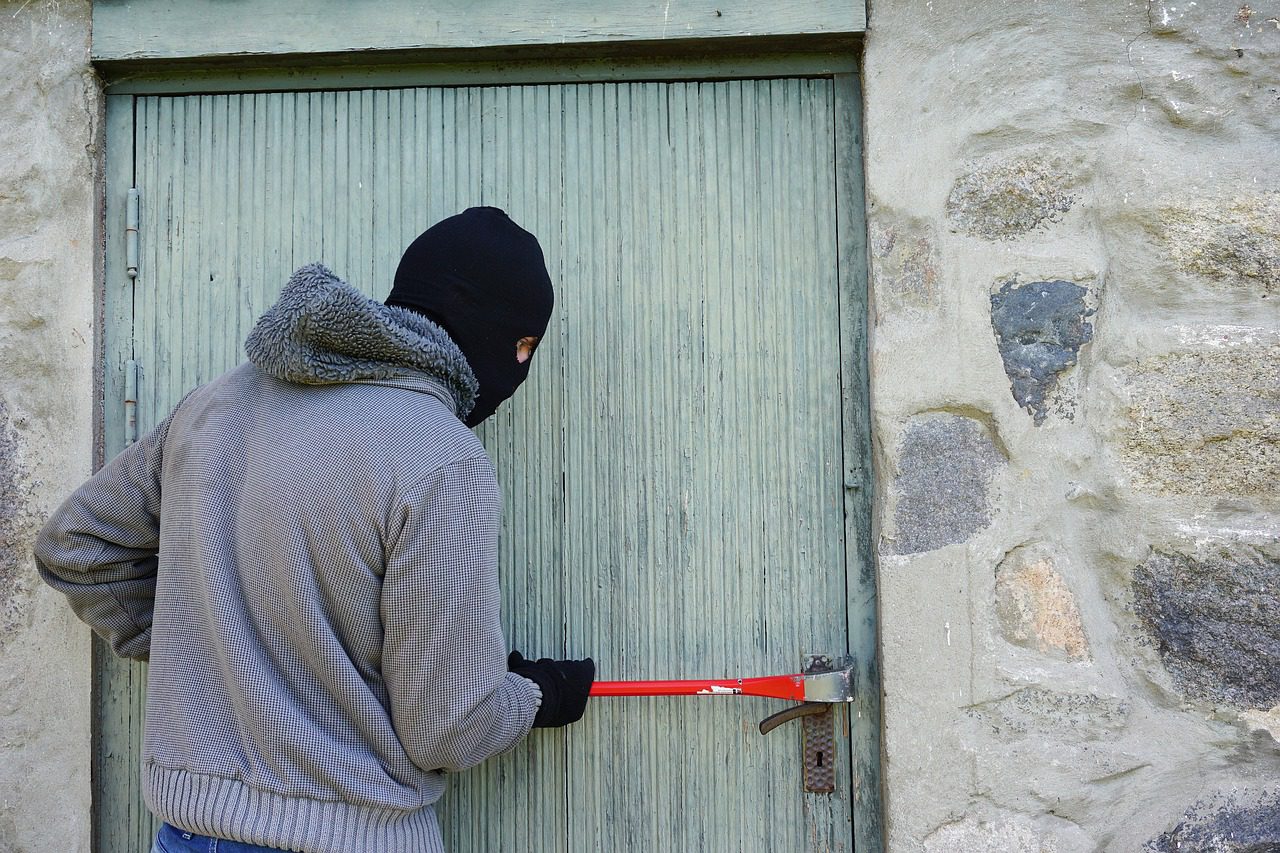
Most people picture burglars climbing through a window, yet front and back doors are still the main way in. Security specialists point out that Front and Back are among a home’s biggest weak spots because they are used constantly, which wears hardware down, and because Many owners rely on basic knobs or deadbolts that can be kicked or pried open in seconds. Guidance on Take a look at your home’s four biggest weak spots stresses that Many burglars simply test whether a door is locked at all. That is why basic police advice still starts with locking every exterior door, every time, even for “just a minute.” The Burglary Basics from one town’s crime prevention unit spell it out bluntly: Lock all outside doors and windows before leaving or going to bed, Even if it is for a short time.
Hardware and framing matter just as much as the lock itself. Police departments that publish REINFORCED door guidance urge homeowners to focus on the DOOR FRAME, not just the deadbolt, because a strong lock in a weak jamb still fails. Their REINFORCED DOOR FRAME advice is to Reinforce the space between the jamb and 2×4 stud with solid wood and long screws so the strike plate cannot rip free. Independent inspectors echo that, recommending people Upgrade Locks and as a cost effective first step, Reinforcing hinges and strikes with three inch screws and high quality deadbolts. Burglars themselves admit they look for the highest reward with the lowest risk, and one locksmith report notes that Burglars pick homes that are convenient hits, because They want less chance of being seen by neighbours. A solid, obviously reinforced door and frame signals that this house will not be quick or quiet to breach.
2. Windows, pet doors and “just cracked” openings
Windows feel safer than doors, but they are often easier to defeat. Security specialists who map out Contents of common weak spots explain Why homes feel secure but are not, pointing to Doors and letterboxes and also to Windows and patio doors that can be forced with simple tools. A detailed breakdown of Why homes that rely on standard latches are vulnerable notes that sliding units can be lifted off their tracks unless owners add secondary locks or dowels. Visual guides to home security weak spots show that while first floor windows are obvious, upper story openings above a porch roof or garage can be just as reachable, and one such guide credits Carbonero Stock and Getty Images for illustrating how Weak window locks invite trouble.
Small openings are not harmless either. Pet Doors are a classic example of convenience creating a gap, and one security firm warns that Pet Doors can be exploited even when they look tiny. But their analysis notes that Many people feel that if the doggie flap is small it prevents human entry, yet But intruders can still reach through to unlock a knob or deadbolt. Another rundown of Many common weak spots also calls out basement hatches and side windows that stay “just cracked” for air. A separate security firm that focuses on overlooked gaps notes that Small windows left open “just a little” are still big enough for tools, and their Beyond the Burglar Alarm guidance on Overlooked Home Security Weak Spots explains How to Fix Them with lockable window restrictors that preserve ventilation and peace of mind without affecting ventilation.
3. Garages, side yards and the “out of sight” problem
Detached and attached garages are another favorite entry point, especially when they connect directly to the house. One alarm company spells this out in a guide that starts, “Below, we are taking a look at how to protect the points of entry into your home,” then singles out Your Garage as a major risk if it has a door into the kitchen or mudroom. Their longer breakdown of weak points, which appears again at Below, notes that older overhead doors can be forced upward or bypassed through emergency release cords. Once inside the garage, an intruder is shielded from view while they work on the interior door, which is often protected by a simple knob lock instead of a deadbolt.
Side yards and back gardens create similar cover. Crime analysts who study how Homes are chosen report that Thieves prefer properties that are not as visible to the public, and that they more often rob a home in the middle of a block than one on a corner lot. Their advice is to keep hedges and foundation planting trimmed so no one can hide near windows, and to vary routines so the house does not look empty on a predictable schedule. Another security firm that focuses on gates and paths points out that the side gate that is never locked is a textbook example of an Beyond the Burglar issue, and their Overlooked Home Security Weak Spots checklist explains How to Fix Them with simple padlocks and self closing hinges so it is not “easy to forget about” that entrance.
4. Spare keys, safes and the hiding spots burglars know by heart
Ask any patrol officer and they will say the same thing: burglars know exactly where people hide keys. One practical guide to home security weak spots lists Spare keys as a literally hidden source of entry, noting that burglars target these areas because they are easy ways to gain entrance to your home. That same set of tips, illustrated again with Burglars scanning for Weak spots in photos by Carbonero Stock and Getty Images, urges people to ditch the fake rock and front doormat routine. Another set of practical tips on entry points tells readers, “Here are some essential considerations to fortify your residence,” and under the section on Here it stresses that Secure All Entry Points with Strong Locks and that You should avoid storing spare keys in obvious outdoor spots, instead using lockboxes or trusted neighbors without compromising your home’s security.
Even inside the house, the “secret” hiding places are not secret. A consumer safety guide that lists nine places intruders check first says that Near windows and Doors and closets are at the top of the list, and it recommends attaching safes to the floor to prevent quick grab and go theft. Another insurance backed checklist of common theft prevention tips advises people to Store lock boxes or safes in a hidden area of the house, with the basement or lowest level suggested as a better choice than the master bedroom. That same guidance, which appears again at Store, also notes that shredding all papers with personal information helps protect against identity theft, which is often as valuable to criminals as cash or jewelry.
More from Decluttering Mom: