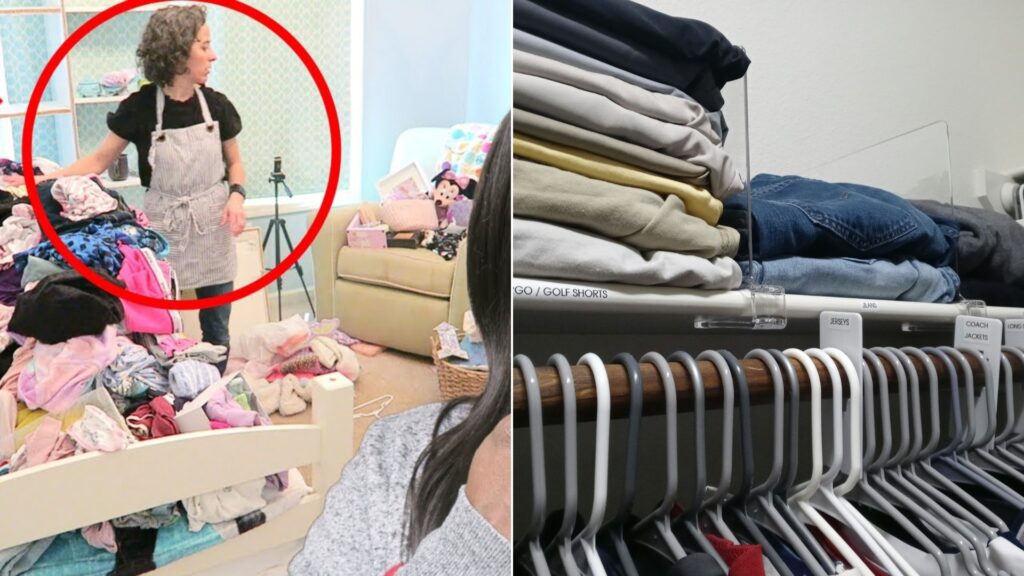
The cart is overflowing, the shelves in the warehouse club stretch to the ceiling, and the price per ounce looks too good to pass up. You roll out the door with a giant tub of mayonnaise, a mountain of paper towels and enough canned beans to feed a small army. A few months later, you open the pantry and find the jumbo jar of something that expired before you finished a third of it. Bulk buying can save money, but it can also turn into clutter and waste when the deal outlasts your appetite.
Why the Deal Is Not Always a Deal
Warehouse clubs make buying more feel smart. The package is bigger, the unit price is often lower, and it seems like a no brainer. But a low price per ounce only helps you if you actually use every ounce. If half of a giant bag of spinach goes bad in the fridge, you did not save money. You paid for a bargain and threw some of it away.
There is also the hidden cost of space. A garage shelf or a pantry stuffed with oversized packages eats up room you could use for other things. Big boxes get pushed to the back, forgotten and found later past the date on the label. Clutter builds up slowly, and suddenly you have three open jars of the same sauce and a cabinet you cannot close.
Do the Math on Unit Price and Waste
Look at the unit price, the cost per ounce, per sheet or per count, which most stores show on the shelf tag. Compare it with the smaller package at a regular grocery store. Sometimes the bulk deal is much cheaper, and sometimes the difference is tiny. Occasionally the smaller size, especially when it is on sale, is the better value.
Then ask the question that really matters: will we use all of this before it goes bad? A cheaper price per ounce is only a savings if you finish the product. If you throw away a quarter of it, your real cost per ounce goes up. If you are not sure, buy the smaller size or split the big one with a friend or neighbor.
Know Which Items Are Safe Bets
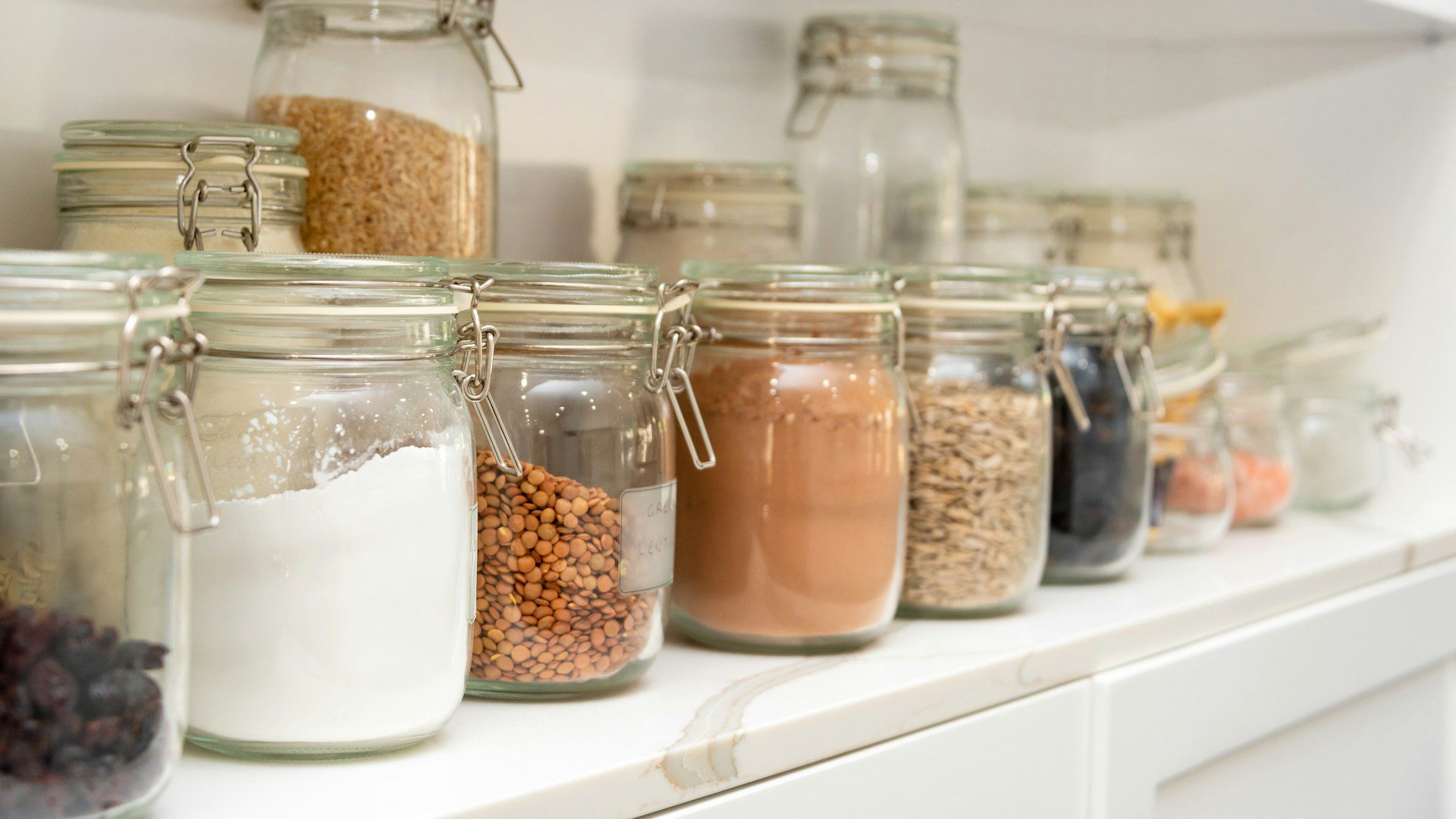
Some items are almost always good candidates for buying in bulk because they last a long time and you use them steadily. Think of things like toilet paper, paper towels, trash bags, laundry detergent, dish soap, rice, dried beans, pasta and many canned goods. These products keep well, take up predictable room, and rarely go bad quickly if stored properly.
Foods that go stale, spoil or turn rancid are riskier. Fresh produce, bread, dairy, open jars of sauces, nuts, whole grain flours and cooking oils can go bad faster than you expect. Spices lose their flavor over time, and a giant container of a spice you only use at holiday time may sit unused for years. Be honest about how quickly your household really eats things.
Check the Date Before You Buy
Look at the date on the package, whether it says best by, use by or sell by. These labels mean different things, but all of them are a hint at how much time you have. Take the one with the farthest date from the back of the shelf, and think about whether you can realistically use it before then. A giant package that expires in a few weeks is a poor deal unless you have a plan for it.
Freeze, Share and Store Smart
There are good ways to stretch a bulk purchase. Many foods freeze well, including meat, bread, shredded cheese, berries and cooked meals. Divide large packages into smaller portions before you freeze them, so you only thaw what you need. Label each bag with the date so you can use the oldest first.
Splitting a bulk package with a friend, relative or neighbor is another smart move. You each get the lower price without the burden of storing and using everything. Even better, make a plan together before you shop so you know who is taking what.
When you get home, put the new items behind the older ones, an old grocery trick called first in, first out. Keep a simple list on the pantry door of what you have. A little organization means you will not buy a fifth box of cereal when you already have four.
Ask These Questions at the Warehouse
- Do we already have this at home? If so, how much is left?
- Will we use all of it before it expires?
- Do we have the space to store it properly?
- Is the unit price really lower than the regular store, or is it just a bigger box?
- Would I buy this if the package were half the size?
Watch Out for the Impulse Buys
Warehouse clubs are designed to tempt you. Free samples, giant displays and sudden seasonal items can turn a quick trip into an expensive one. A big screen television or a patio set may not be a bargain if you did not need it in the first place. Make a list before you go, and stick to it. If something catches your eye that is not on the list, give yourself a day to think it over before you go back for it.
Remember also that your membership fee is part of the cost. If you shop only occasionally and buy things you do not need, the savings may not cover the price of the membership. Be honest with yourself about how often you shop and how much you actually save.
Buy What You Will Use
Buying in bulk is a tool, not a rule. Used well, it saves money and cuts down on trips to the store. Used carelessly, it fills your pantry with things that go bad and fills your trash can with food you paid for. Before you load up the cart, stop and think about what your family eats, how much room you have, and how fast it will be used. Buy what you will use, and leave the rest on the shelf.
More Stories You May Like
- Minimalism Author Joshua Becker Shares the Powerful Question to Ask When Decluttering That Pushes Past Your Comfort Zone
- Professional Organizer Lists the Bathroom Items to Get Rid of as Soon as Possible Before They Cause Problems
- Consuming Too Much Decluttering Advice Can Make Decluttering Feel Harder, Because Your Brain Gets Overloaded If You Never Act On It