

Back-to-school season hits, and the supply list comes home. Pencils, glue sticks, folders, markers, notebooks, tissues, the works. Stores put up giant displays right by the door, the deals look irresistible, and you want to get it all done in one trip. So you fill the cart with every item on the list.

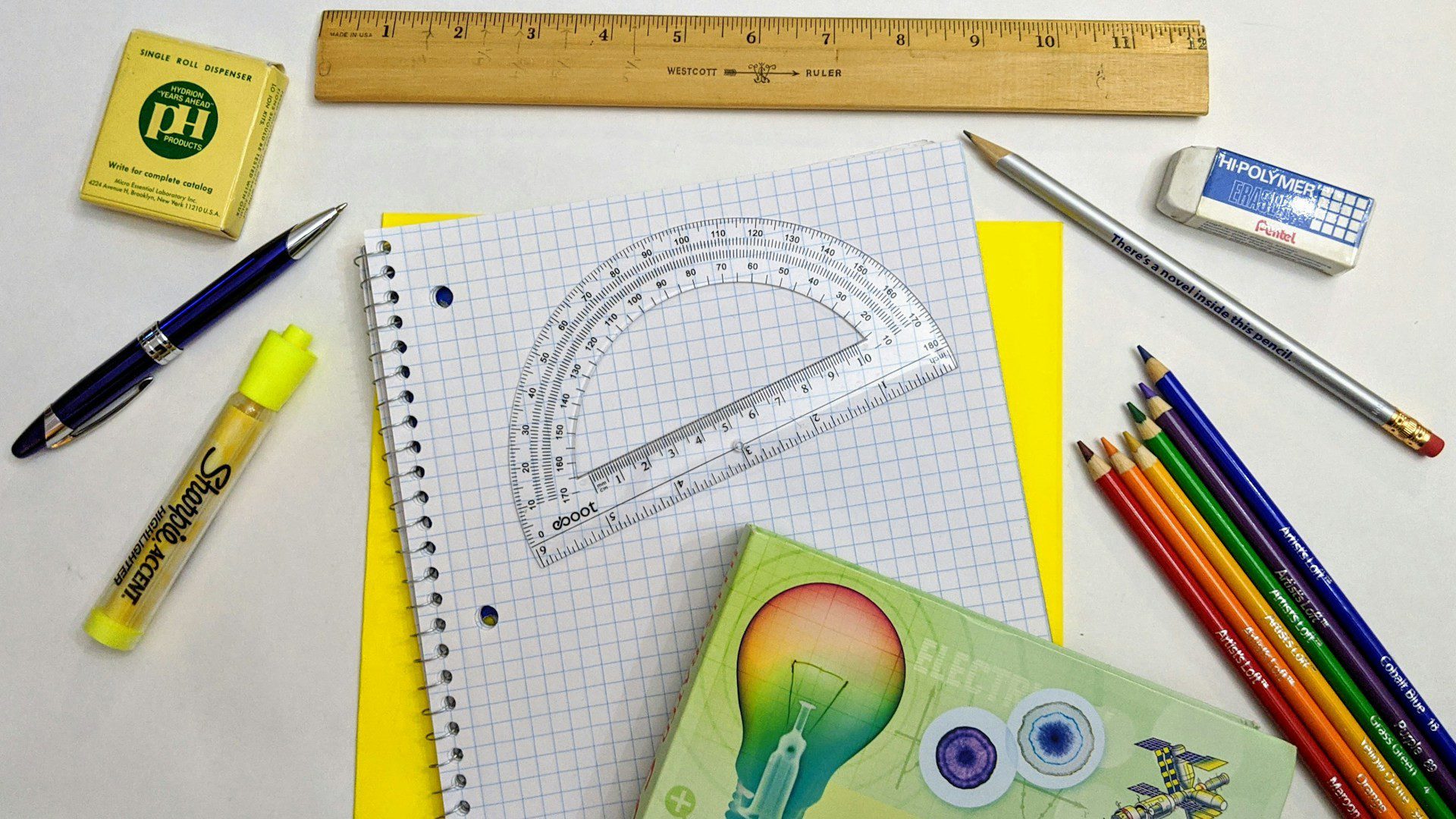
Then the first week of school arrives, and the teacher says the class will share supplies, or that the list was last year’s, or that the notebooks should be a different kind. Now you have a closet shelf full of duplicates and a receipt you wish you had waited on.
Why The List You Got May Not Be Final
Supply lists often go out well before the school year begins. Class placements can change, teachers can change, and many classrooms pool supplies rather than having each child keep their own. A list that was posted in the summer may not match what the teacher actually wants once the classroom is set up.
Some teachers also ask for specific items that are hard to guess, such as a particular folder color for each subject, a certain kind of notebook, or a brand of crayon. Buy the wrong version and your child may be sent home to swap it, or it ends up in a bin collecting dust.
Wait For The Classroom List
If your school lets you see the supply list for your child’s specific classroom, use that one instead of a general grade-level list. Look for a note from the teacher, a class website, or an email. If you cannot tell whether the list is final, a short message to the teacher is worth it. Something simple like “Is this list final, and do you collect supplies to share?” can save you a lot of money.
Also ask whether any items are better left for later. Many teachers are glad to have a family hold off on bulky items until after the first week, when they know what is needed.
Shop Your Own House First
Before you spend a dime, go through last year’s leftovers. Half-used notebooks, unopened pencil packs, markers that still work, a backpack that has plenty of life left. Kids are great at leaving supplies untouched in the bottom of a bag. Gather everything in one place, sort it into piles, and check it against the list.
This is the same trick you use for decluttering, and it pays off twice. You skip buying things you already own, and you find out what truly needs replacing. Toss dried-out markers and broken crayons, set aside anything still good, and write down what you are missing. Your shopping list should only have what is actually missing.
Buy The Basics Now, Wait On The Rest
Some things are safe to buy early: pencils, glue sticks, and plain folders are almost always needed. Other things are riskier, like specific brands, art supplies, calculators, and anything with a long, detailed description. Treat those as “wait and see” items.
School supply prices tend to drop further once the rush is over. Stores often keep running sales on basics for a while after school starts, and clearance shelves may appear later in the season. If your child can manage without a particular item for a week or two, you may pay less by waiting. Prices change from store to store, so check the ads and compare before you commit.
Smart Ways To Avoid Duplicates
- Check the list against what you already own before you leave the house.
- Buy one of an item first if you are not sure about the style or size.
- Keep every receipt until you know the teacher has accepted the item, and check the store’s return policy.
- Ask other parents in the class what the teacher actually collected.
- Write your child’s name on the things you buy, so lost items find their way home.
What To Do With The Extras
If you do end up with piles of duplicates, you have options. Many classrooms are happy to take extra pencils, glue, tissues, and paper, and teachers often spend their own money to fill in gaps. Ask whether your child’s teacher would like the extras. You can also save unopened items for next year, share with a neighbor or friend, or donate them to a school or community group that collects supplies.
For items that were never opened and still have a receipt, check whether the store will take them back. Many stores accept returns on unused items within a set time, though policies differ, so look at yours before you shop.
The Bottom Line
A supply list is a guide, not a command. Slow down, check the classroom list, shop your house first, buy the sure things now, and wait for sales on the rest. You will save money, and your closet will thank you. A calm, patient shopper always beats a panicked one in the school supply aisle, and your child still ends up with everything they need on the first day.
More Stories You May Like
- Professional Organizer Lists 20 Things You Should Throw Out Today and Guarantees There Is at Least One on the List You Will Absolutely Refuse to Part With
- Mom Says Six Small Cleaning Tasks Take Her Less Than Half An Hour And Keep Her Whole Home In Maintenance Mode Starting With Making The Bed Every Day
- Professional Organizer With ADHD Tells Overwhelmed Moms To Set A Fifteen Minute Timer And Only Pick Up Trash Off One Living Room Floor