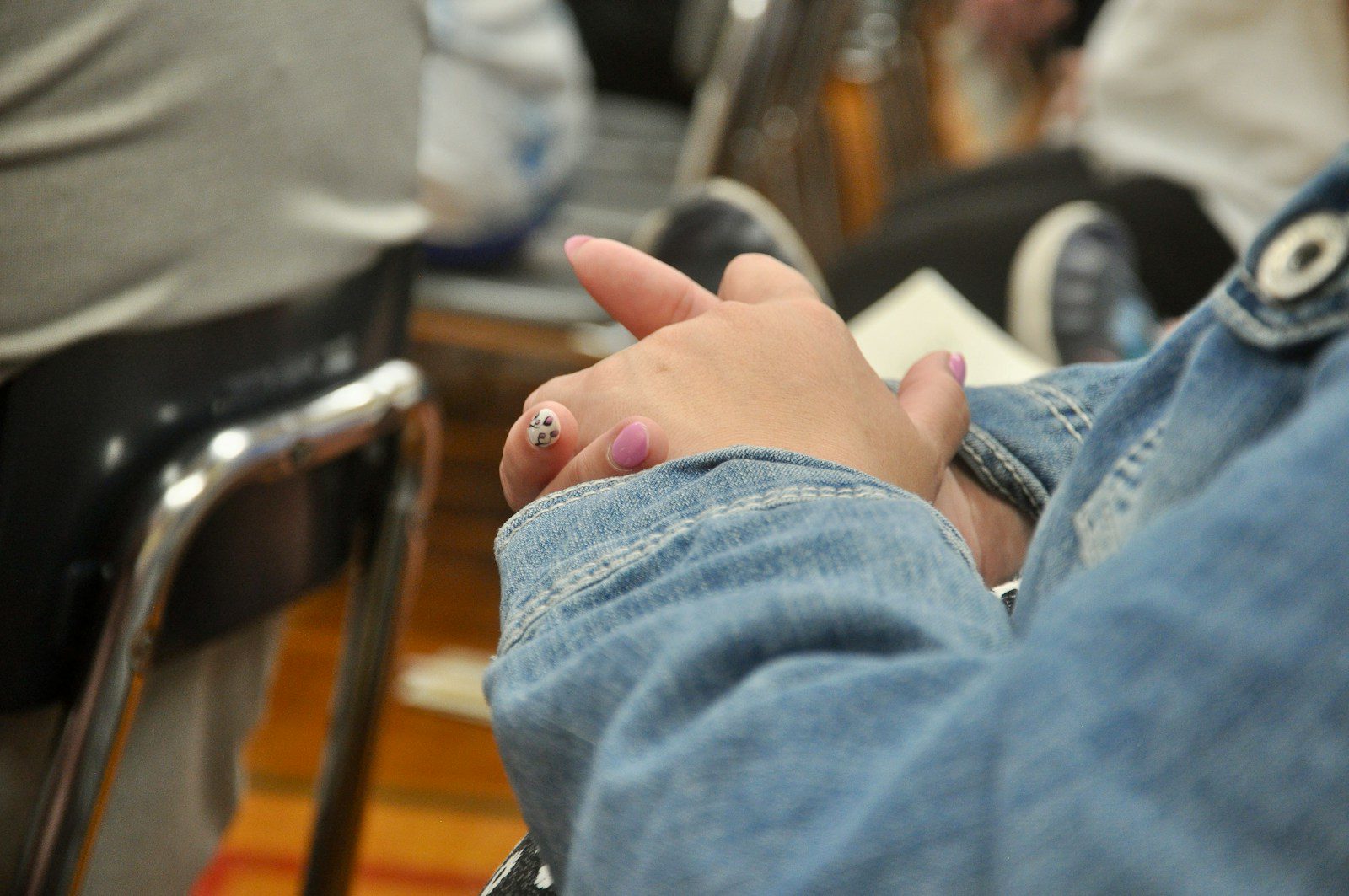
A college student recently found herself navigating a puzzling maze of rules after her professor announced a new policy banning digital handwriting submissions for homework. This decision came in the wake of a cheating scandal involving students using AI handwriting applications to complete their assignments. The professor laid down the law: all problem sets needed to be handwritten on physical paper, scanned, and uploaded as PDFs—no digital accommodations allowed. The kicker? She had a wrist injury that limited her ability to write longhand, complicating an already tight situation.
The student, who had been undergoing physical therapy following a longboarding accident, reached out to her professor, struggling to find a workaround. She attached her doctor’s note, requesting permission to submit her work using an iPad and Apple Pencil instead. However, her request was denied, and the professor reiterated that the policy was a matter of departmental integrity. He sympathized with her but insisted on adherence to the new rule.

Faced with that refusal, she decided to comply—although it wasn’t easy. Every day, she broke her assignments into manageable chunks, limiting her writing sessions to just 30 minutes to avoid straining her wrist further. To keep her pages organized, she purchased ribbons to bind the papers, especially since they often got jumbled in her backpack. As if that wasn’t enough of a hassle, she resorted to writing with her left hand for the sections where her right hand just couldn’t take it anymore.
Over the course of six problem sets, she submitted 22 different PDF files across multiple devices, each one timestamped and ribbon-bound. It didn’t take long before her professor saw the growing stack of submissions and decided to pull her aside. He was curious if she could simply submit her work digitally like most other students. As it turned out, the department had softened its stance on the no-digital rule, especially when it came to accommodations for students facing challenges.
Even more interesting was the side note about the original student caught using the AI handwriting app. He got to maintain his method, as it turned out no one had figured out how to detect it on an iPad, meaning he could continue to submit his work without issue. This revelation left many scratching their heads.
Reactions to this unusual situation varied widely among those who read about it. Some applauded the student’s creativity and determination to follow the rules while working around her limitations. They appreciated her effort and resourcefulness, viewing her extensive PDF submissions as a clever form of compliance. Others, however, were more critical of the rules themselves, suggesting that the department’s decision lacked foresight and failed to accommodate varying student needs adequately.
Others pointed out that the rules seemed overly rigid, especially in light of real circumstances like injuries or disabilities. They noted how such policies could disproportionately affect students who already faced challenges, making it harder for them to succeed academically. A few commenters even suggested that the department might need a reevaluation of its approach to digital submissions in light of technological advancements and the reality of student needs.
As this story circulated, it raised questions about how educational institutions handle policy changes and the balance between academic integrity and individual circumstances. It wasn’t just about cheating; it was about understanding student experiences and the reality of their situations. What happens when rules don’t accommodate those who genuinely need flexibility?
As the semester progresses, the student may wonder whether compliance is worth it or if a better path could have been carved with more understanding from the department ahead of time. With so many voices weighing in, it’s clear there are no easy answers.
More from Decluttering Mom: