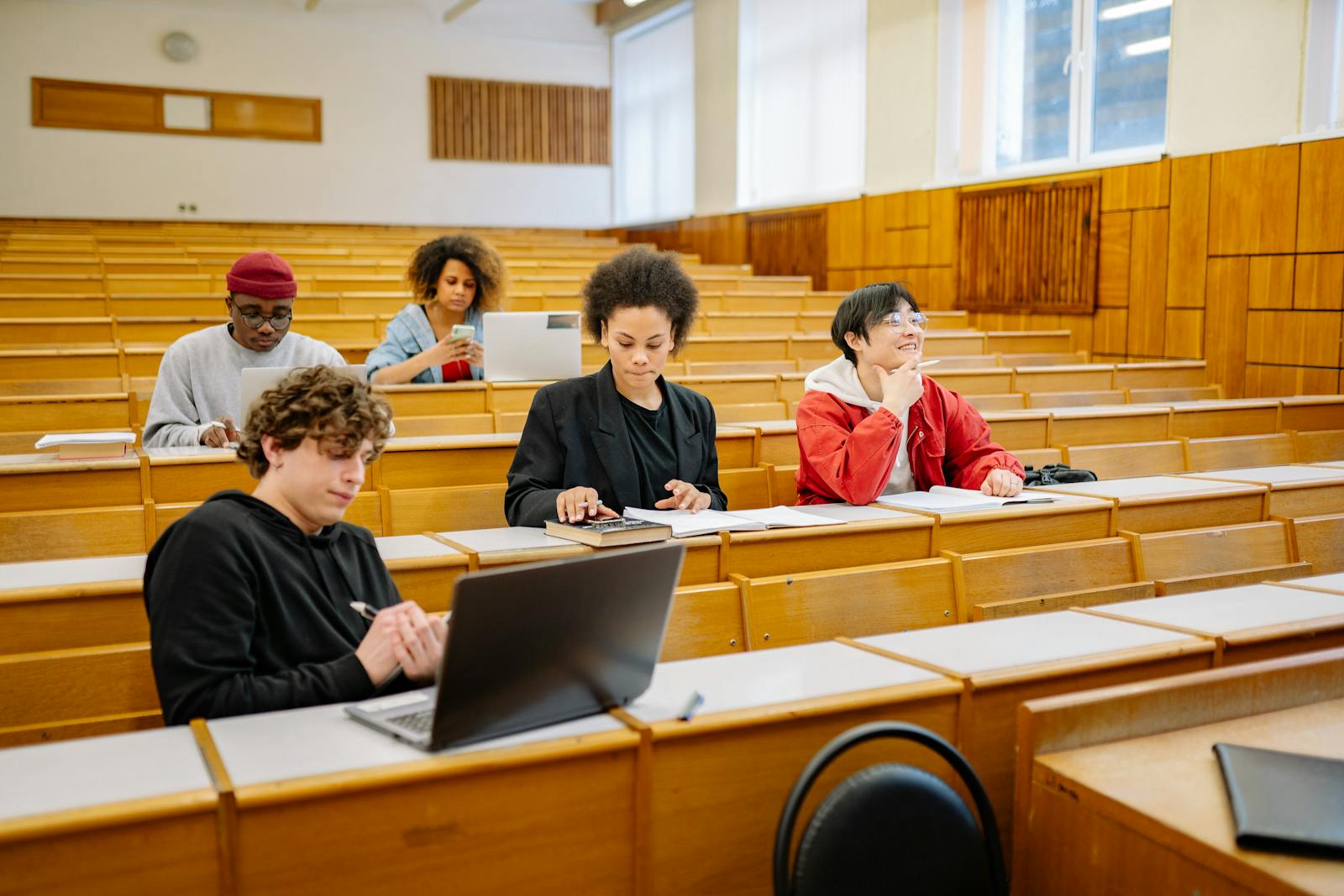
A college student just trying to get through calculus classes ended up tied into a bizarre scenario that left everyone scratching their heads. After the professor announced a strict ban on digital handwriting submissions following a cheating scandal involving AI apps, one student had to come up with a creative workaround that turned heads—and raised eyebrows.
At the start of the semester, the entire calculus department instituted a no-digital-handwriting policy after some students were caught using AI handwriting apps to complete their assignments. The rule was straightforward: all problem sets had to be handwritten on physical paper, then scanned and uploaded as PDF files. There was no room for exceptions, even for those with legitimate issues, like wrist injuries.
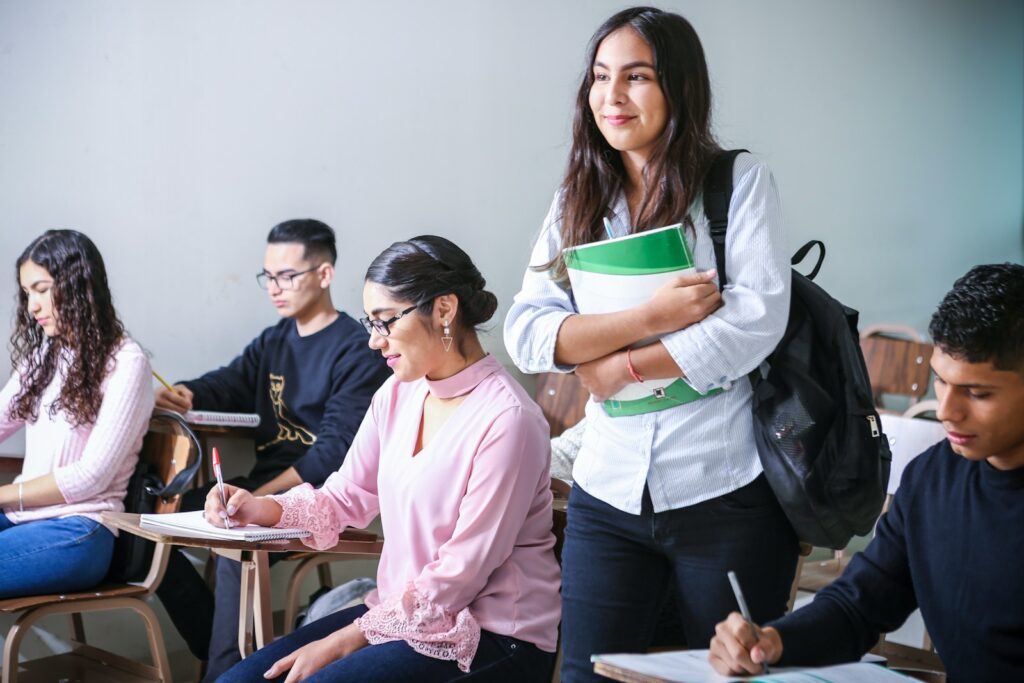
This particular student—having sustained a wrist injury from a longboarding accident—was left in a tough spot. With a physical therapy order limiting her writing sessions to just 30 minutes, she reached out to her professor for an accommodation, proposing to use her iPad with an Apple Pencil instead. The professor’s response was clear: no exceptions. The policy was set in stone, and sympathy wouldn’t change that.
Undeterred by the refusal, she decided to comply with the department’s strict rules. Each problem set became a challenge as she broke her writing into manageable 30-minute segments. To keep everything organized, she resorted to binding her pages with a ribbon. It was a bit of a quirky solution, but it worked. Left-handed writing for sections four and five added a unique twist to her submission method, especially since her right hand couldn’t keep up.
By the end of the semester, submitting six problem sets became a logistical feat. She turned in a whopping 22 different PDF files, each meticulously timestamped and scanned from various devices, all securely ribbon-bound. The dedication was impressive, even if the situation felt a bit absurd. Who else would submit assignments in such an unconventional manner?
Then came the unexpected twist. Just last week, the professor pulled her aside and offered a surprising change of heart. It turns out, after seeing her creative submissions, he realized the policy could be “softened” when it came to accommodations. He suggested she could now use her iPad like a “normal person” for future assignments. Just like that, what had felt like an uphill battle turned into a new opportunity.
What made it even more interesting was that the original student who had been caught using the AI handwriting app was now allowed to continue using whatever tools he preferred, as there was still no effective way to catch digital dishonesty on devices like the iPad. This left many wondering about the fairness of such policies. Shouldn’t there be a balance between maintaining academic integrity and accommodating students with real challenges?
People had very different reactions to the story. Some applauded the student for her perseverance and creativity, while others criticized the professor for the strict policy that clearly didn’t account for students with disabilities. A few pointed out the irony of accommodating one student while tightly regulating the rest. Was the original ban necessary, or did it end up punishing those who genuinely needed support?
In the end, the situation sparked a lot of conversation about the balance of academic integrity and the importance of inclusivity. One can’t help but wonder how many other students faced similar hurdles and if there are better ways to navigate the fine line between rules and real-world challenges. Could there be a more effective way to prevent cheating without making life difficult for those who need accommodations?
More from Decluttering Mom: