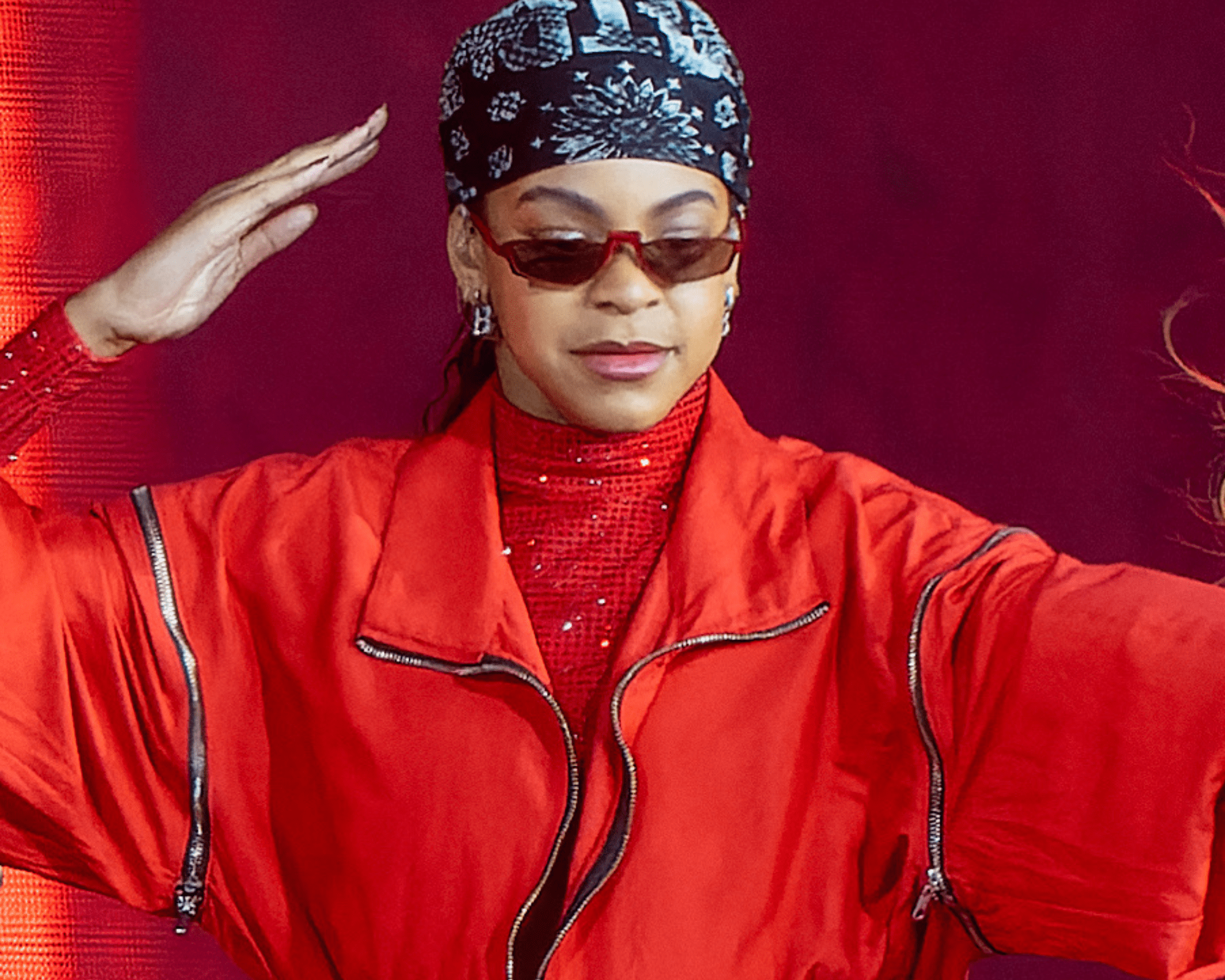
Celebrity parents are learning the hard way that a kid’s outfit can ignite a cultural firestorm. Photos of preteens in corsets, bodycon dresses, or full glam now serve as flashpoints in debates over parenting, social media, and what childhood is supposed to look like.
The question that keeps surfacing is not whether kids should enjoy fashion, but how quickly their wardrobes are racing toward adult aesthetics. As celebrity children push style boundaries in public, the rest of the world is arguing over whether this is healthy self-expression or a sign that childhood is being put on fast forward.
North West, Blue Ivy and the “She Looks 18” Effect
Few young figures crystallize this tension like North West. The 12 year old, daughter of Kim Kardashian and Kanye West, has become a lightning rod every time she steps out in a look that reads more club than classroom. Over the past year, fans and critics have fixated on outfits that include blue hair, a corset and a mini tutu skirt in Los Angeles, with one viral thread asking bluntly, “Ain’t It Too Much for 12?” and accusing her parents of pushing her to dress like an older teen. Another set of photos featuring North and a friend with fake face tattoos and heavy styling sparked fresh concern that the preteen was being packaged as far older than she is.
The criticism has been sharp. Commenters in one widely shared post argued that Kim Kardashian faced for letting her 12 year old wear a corset and mini skirt that some viewers said belonged on “older teens or early 20’s.” Separate posts claimed that “KANYE IS NOT HAVING IT,” citing unnamed sources who said Kanye West was upset about the outfits his daughter has been wearing and using hashtags like #ProtectTheKids and #FamilyMatters to frame the conversation as a moral emergency. Meanwhile, Kim has publicly defended her oldest child, telling one interviewer that she lets North “express herself” through fashion and beauty looks, including blue braids and piercings, and pushing back on what she called a misconception about how she parents her. That defense lines up with the way North is often described in fan discussions and search results as a budding creative, performer, and style experimenter rather than a passive dress-up doll.
Parents’ Fears, Mental Health Stakes and the Power of the Spotlight
The anxiety that swirls around these outfits is not just about one famous family. It taps into a broader fear that kids are being rushed out of childhood, with parents and teachers reporting that the line between tween and adult is blurring. In one survey of attitudes about Generation Alpha, a summary of responses noted that “Consistent with this, almost nine in ten parents (87 per cent) and educators (90 per cent) are concerned that children are losing their innocence too soon.” When those same adults open Instagram or TikTok and see a 12 year old in a lace-up bodice or a 13 year old in a gown that commenters say makes her “look 18,” it hits a nerve that is already raw.
Psychologists who study child fame warn that the pressure to perform like an adult before the brain is ready can derail normal development. One analysis of the psychological toll of child stardom argued that child fame demands adult performance long before kids have the emotional tools to handle it, and that applause and public scrutiny do not offer the attunement young people need. That concern intersects with what mental health experts are seeing among teens who live online. Clinical observers have pointed out that “The constant exposure to carefully curated images of perfection can create feelings of inadequacy and low self-esteem in teens,” especially when they are comparing themselves to polished celebrity feeds. When the images involve kids their own age, styled in body-conscious clothes and full glam, the pressure only intensifies.
There is also the question of role models. Guidance aimed at families has stressed that the influence of celebrities can shape a teen’s identity, values, and behavior for better or worse. When influencers and famous parents share content that emphasizes extreme dieting, provocative dressing, or relentless self-comparison, that stream of images has been linked to higher risks of anxiety, depression, and eating disorders in teens. A student commentary on body image put it bluntly, arguing that Hollywood celebrities add to this pressure by constantly showcasing unrealistic body images on red carpets and social media, which feeds a cycle of comparison that can erode self-esteem. Even if a child like North or Blue Ivy Carter feels confident and in control, the ripple effect on millions of kids watching from their phones is harder to measure and much harder to manage.
More from Decluttering Mom: