Three Chicago women thought they were treating themselves to a luxe athleisure haul when they each bought a $150 lululemon gift card at a neighborhood Walgreens. Instead of leggings and belt bags, they got an error message: “invalid.” What looked like a routine checkout turned into a crash course in how modern gift card scams work and how little protection shoppers feel they have when the money vanishes before they ever swipe.
Their story is not a one-off glitch. It sits at the intersection of big box convenience, premium brands, and a fast-growing fraud economy that quietly feeds on racks of plastic hanging near the pharmacy line. Once you see how the pieces fit together, it is hard to walk past a gift card display without giving it a second look.
How Three Chicago Shoppers Got Stuck With “Invalid” Cards
The women’s day started like any other quick errand run. They walked into a Chicago branch of Walgreens, grabbed three lululemon cards from the display, and loaded each one with $150 at the register. The cards were sealed, the activation receipts printed, and everything looked clean. Then they opened the packaging at home, tried to check the balance, and hit the same wall: the system flagged the numbers as invalid, a scenario detailed in coverage of how Three Chicago women were blindsided after buying lululemon cards at Walgreens. In other words, the money was gone before they ever had a chance to shop.
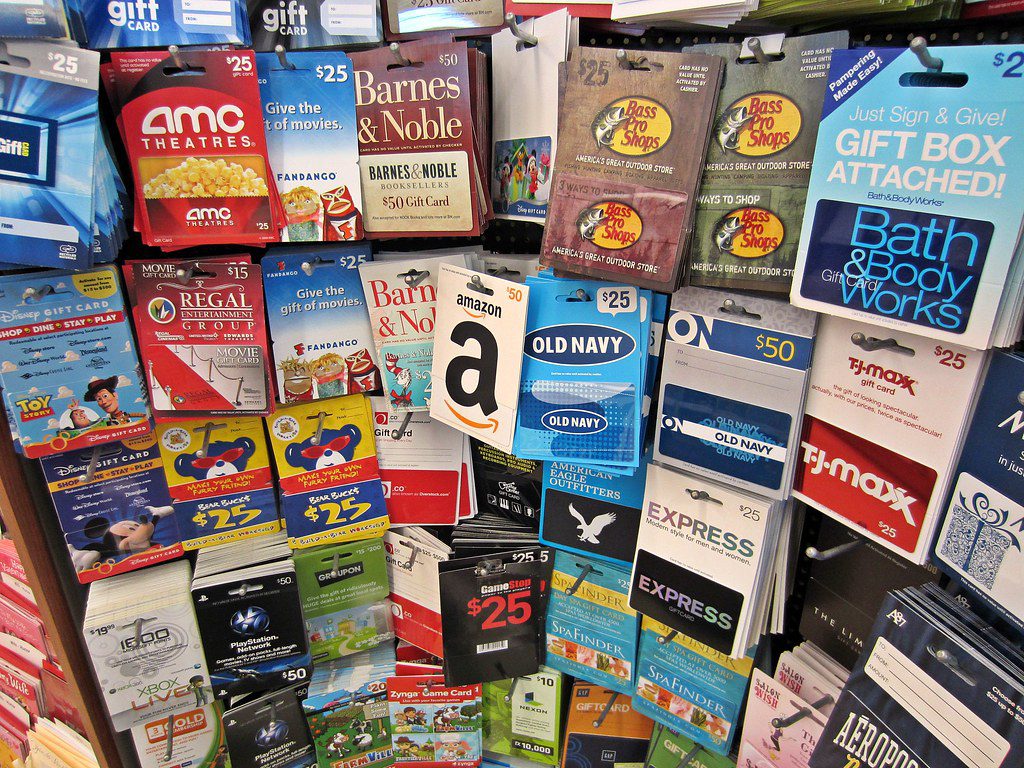
What likely happened to those cards tracks with a pattern investigators have been seeing across the Midwest. In Ozaukee County, north of Milwaukee, authorities have described a “large scale” operation in which a Chicago man allegedly targeted multiple Gift card displays at Walgreens locations. According to law enforcement, scammers quietly remove cards from the rack, take them home, and strip or copy the barcode and PIN before returning the tampered cards to the shelf. By the time a regular shopper loads money at the register, the fraudster is already poised to drain the balance online, often within minutes.
The Bigger Gift Card Scam Machine Behind One Bad Purchase
Police and prosecutors say the Walgreens case in Wisconsin is not just about one store or one unlucky customer. In Ozaukee County, investigators have linked a Chicago suspect to a broader FRAUD enterprise that treats gift cards like low-risk, high-volume cash machines. According to Brock, a Grafton Police Department leader, crooks typically steal the gift cards, remove the barcode and PIN number, then put them back on the shelf looking untouched, a method he outlined while explaining how According thieves exploit the racks. When a Walgreens in Cedarburg later reported that a suspect named Zhu was in the store, Officers conducted a traffic stop and arrested him, with police saying the seized cards appeared to be from multiple outlets, a sequence laid out in charging documents that note When the Cedarburg store called, the investigation quickly widened.
Experts say the scam is designed so the customer only discovers the problem at the worst possible moment. The customer learns of this when they go to use the gift card, and there is no money on it, a pattern fraud specialists describe as part of a bigger crime ring that quietly siphons balances across multiple chains, a dynamic laid out in guidance on Nov gift card scams. Online communities have been trading similar stories for years, with lululemon fans on Reddit swapping notes about balances that mysteriously vanished or cards that never activated, as seen in threads where users vent about Having to chase down customer service. Another post from a shopper who says they were hit by a “giftcard scam from lululemon physical store” bluntly notes that this is happening anywhere that has gift cards, not just Lulu, a point one commenter named Brave-Web-1746 makes while warning that Unfortunately the problem is widespread.
What Walgreens, Lululemon, And Shoppers Can Actually Do
Retailers are trying to show they are not asleep at the wheel. Walgreens has a dedicated fraud information page that spells out what to do if you have been scammed using gift cards purchased at its stores, urging customers to call a hotline at 1-877-865-9130 and be ready to provide receipts and card details, instructions laid out in its Walgreens scam guidance. The same page flags an “Online Seller Scam” pattern, where crooks pressure victims to pay strangers with gift cards, and again directs people to the 1-877-865-9130 number if they loaded money at Walgreens, a warning highlighted under the Online Seller Scam section. In some communities, neighbors are not waiting for corporate policy to catch up; one Facebook group post from Aug shows a resident blasting out an alert that POLICE have been notified after someone put scammed cards with scratched out numbers back on a rack, explaining that the scammer steals a Gift Card, often a Visa or MasterCard, then quietly returns it, and urging victims to contact their local department and create a report, a step-by-step shared in a viral POLICE notice.
On the brand side, lululemon has built out a fraud support hub that walks customers through how to Protect yourself and others from scams involving its Gift Cards, stressing that they should never be used to pay for things like taxes, bail, or utility bills, guidance laid out in its Protect page. The company also warns that if someone asks you to purchase lululemon Gift Cards for unusual purposes, you may be the target of a scam, and urges buyers to keep the card and PIN secure and to contact support immediately if something feels off, advice spelled out under its Gift Cards for section. Law enforcement echoes that urgency: Grafton Police Detective Justin Gehm has described how scammers obtain cards, remove or copy identification numbers, then wait for unsuspecting shoppers to load them, a process he detailed while explaining why Grafton Police Detective believes the scams are highly organized. Even lululemon’s own payment help pages now include a dedicated Gift Cards fraud section, a sign that what happened to those Chicago women is part of a much larger fight over who eats the loss when a tiny strip of plastic becomes a thief’s favorite tool.
More from Decluttering Mom: